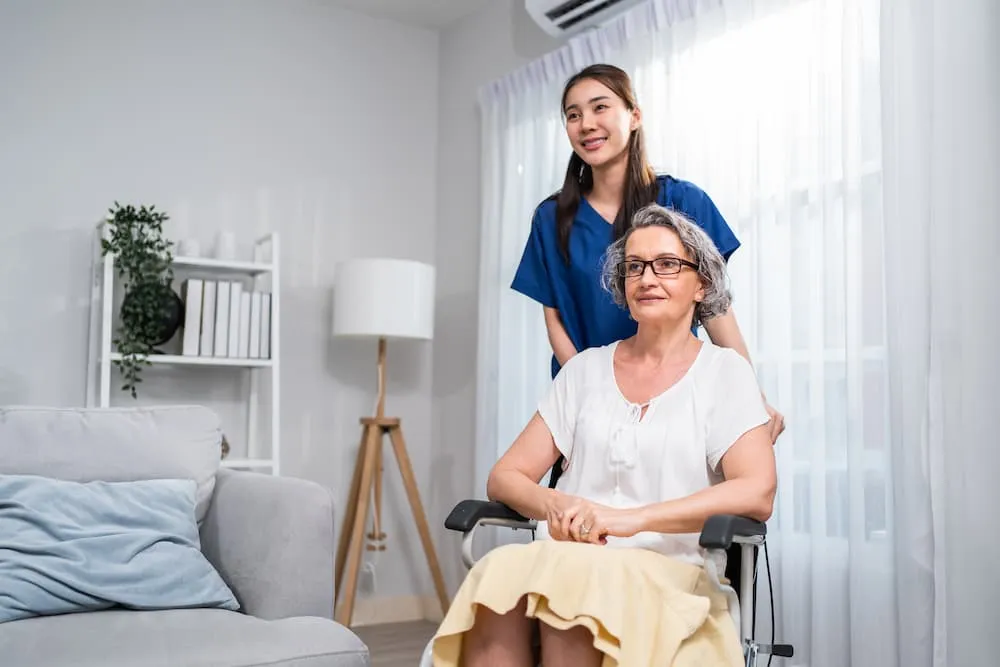

Healthcare continues to evolve to meet the changing needs of patients who require convenient, personalized, and timely medical attention. Many individuals, particularly older adults, people with chronic illnesses, and those recovering from surgery, benefit from receiving professional medical care without leaving home. A Physician visiting service provides direct access to experienced medical professionals in a familiar environment, allowing patients to receive quality care while avoiding unnecessary travel and long waiting times. This approach strengthens patient engagement, supports better health management, and contributes to improved clinical outcomes across various healthcare needs.
Personalized Care in a Comfortable Home Environment
Individualized Medical Attention
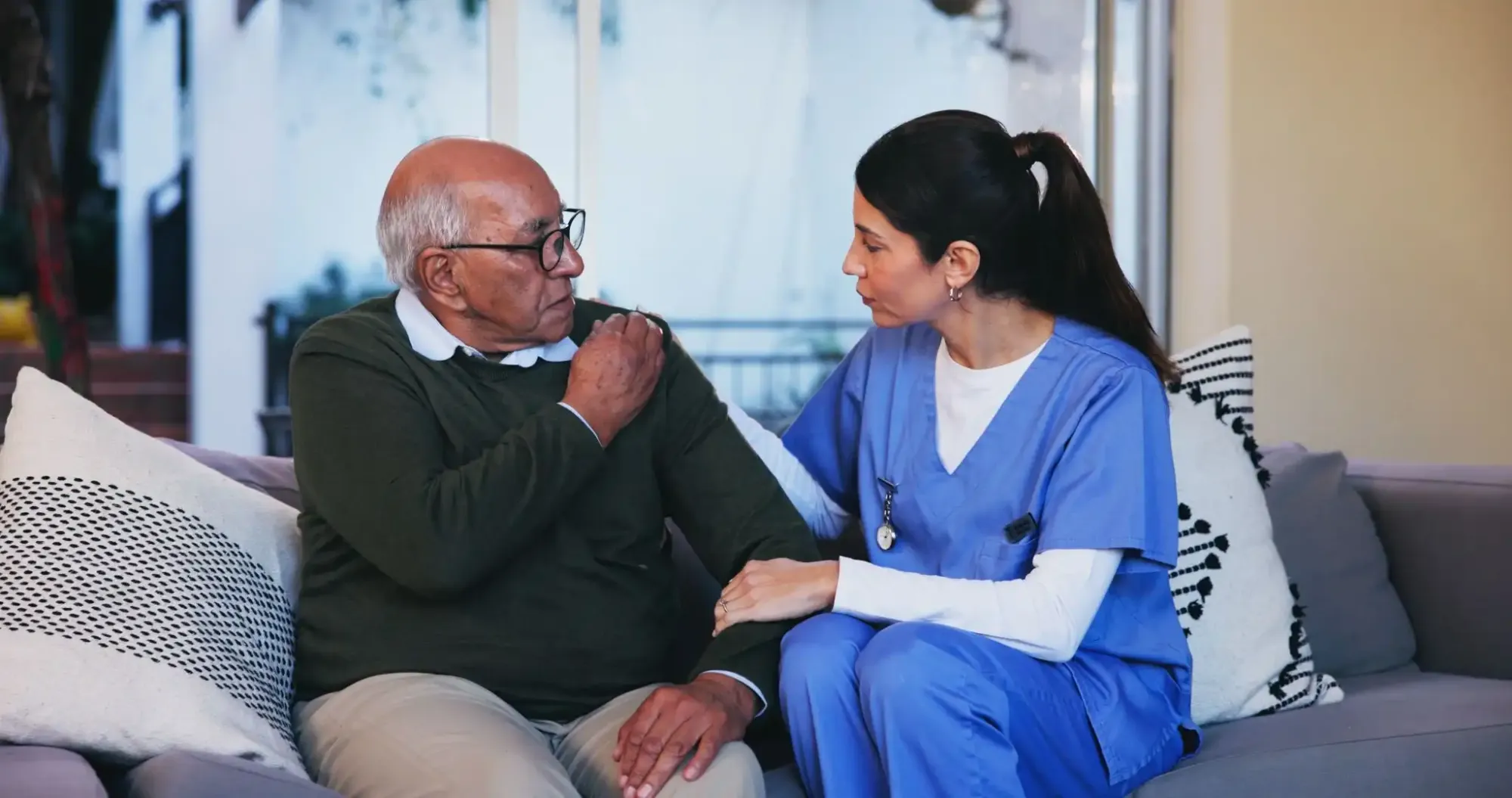
Receiving medical care at home allows physicians to evaluate patients in the environment where they spend most of their time. This setting offers valuable insight into daily routines, living conditions, medication management, and lifestyle habits that may influence overall health. Physicians can develop personalized care plans that address unique challenges while encouraging practical solutions that fit naturally into each patient's everyday life.
Patients often feel more relaxed when consultations take place at home rather than in a clinical setting. Reduced anxiety encourages open communication, enabling individuals to discuss symptoms, concerns, and health goals more honestly. This improved dialogue helps physicians gather accurate information, make informed decisions, and recommend treatments that better align with each patient's specific medical situation.
Better Understanding of Daily Health Challenges
Home visits provide opportunities to observe factors that might otherwise remain unnoticed during office appointments. Physicians may identify mobility limitations, nutritional concerns, safety hazards, or medication storage issues that directly affect recovery or disease management. These observations allow healthcare providers to recommend meaningful adjustments that improve both health and quality of life.
Understanding a patient's daily environment also supports stronger collaboration with caregivers and family members. Physicians can educate everyone involved about treatment plans, medication schedules, warning signs, and preventive strategies. This coordinated approach helps create a supportive care system that encourages better adherence and promotes positive long term health outcomes.
Improved Management of Chronic Health Conditions
Regular Monitoring and Early Intervention
Chronic illnesses often require ongoing monitoring to prevent complications and maintain stable health. Home visits allow physicians to evaluate symptoms, review medications, monitor vital signs, and assess treatment effectiveness without requiring patients to travel frequently. Consistent follow up appointments help identify subtle changes before they become serious medical concerns.
Early intervention plays a significant role in preventing disease progression. When physicians detect warning signs during routine home assessments, they can adjust medications, recommend lifestyle modifications, or arrange additional testing promptly. Addressing issues early reduces the likelihood of emergency situations while supporting more effective long term disease management.
Encouraging Better Medication Compliance
Medication adherence remains one of the greatest challenges for individuals managing multiple health conditions. During home visits, physicians can review every prescription, identify duplicate medications, clarify dosage instructions, and answer questions about side effects. This personalized review helps patients understand the importance of following their treatment plans correctly.
Family members and caregivers also benefit from receiving direct guidance about medication schedules and administration techniques. Improved understanding reduces confusion, minimizes medication errors, and supports consistent treatment. Better adherence often leads to improved symptom control, fewer complications, and greater patient confidence in managing chronic illnesses successfully.
Faster Access to Medical Care
Reducing Delays in Treatment
Timely medical attention is essential for preventing minor health concerns from becoming more serious. Home based physician visits reduce many common barriers to care, including transportation difficulties, mobility limitations, and extended waiting periods. Patients receive professional evaluations more quickly, allowing treatment to begin before conditions worsen.
Earlier diagnosis often improves recovery by addressing health issues during their initial stages. Prompt medical assessment can reduce discomfort, shorten illness duration, and prevent avoidable hospital admissions. Faster access to professional care supports improved patient outcomes while enhancing overall satisfaction with healthcare services.
Lower Risk of Hospital Readmissions
Patients recently discharged from hospitals often require careful monitoring during recovery. Home physician visits provide valuable follow up care that ensures treatment plans continue safely outside the hospital setting. Physicians can evaluate healing progress, review medications, answer questions, and address new symptoms before they require emergency intervention.
Regular follow up appointments reduce the risk of complications that frequently lead to readmission. Physicians help patients understand discharge instructions, encourage healthy recovery practices, and coordinate additional services when necessary. Continuous medical supervision supports smoother recoveries while reducing unnecessary hospital visits.
Stronger Communication Between Patients and Healthcare Providers
Building Trust Through Consistent Relationships
Successful healthcare depends on strong communication and mutual trust between patients and physicians. Regular home visits create opportunities for meaningful conversations that extend beyond immediate medical concerns. Physicians gain a deeper understanding of each patient's preferences, goals, and challenges while building relationships based on respect and continuity.
Patients who trust their physicians are more likely to report symptoms honestly, ask important questions, and participate actively in treatment decisions. This collaborative approach encourages shared decision making, leading to care plans that patients understand and are willing to follow consistently over time.
Supporting Family Involvement
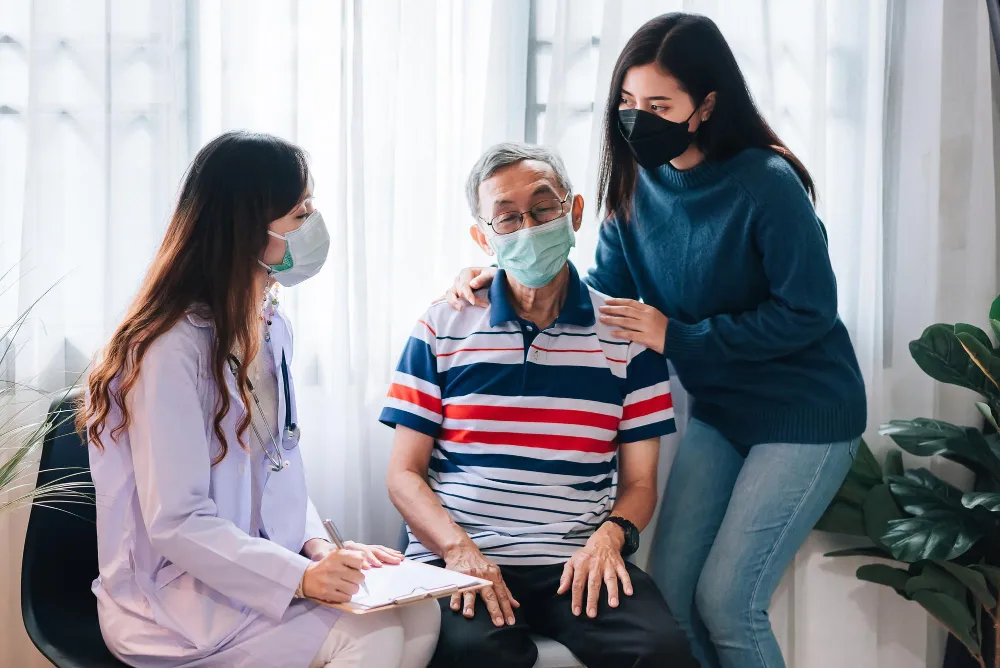
Family members frequently play essential roles in providing daily care, especially for older adults or individuals with complex medical needs. Home visits make it easier for relatives to participate in consultations, ask questions, and receive practical guidance directly from the physician. This shared understanding strengthens the overall care experience.
When caregivers receive accurate medical information, they become better prepared to support recovery and manage ongoing health conditions. Clear communication helps reduce misunderstandings while promoting consistent implementation of treatment recommendations. Patients benefit from coordinated support that improves both safety and overall health outcomes.
Promoting Preventive Healthcare
Identifying Health Risks Early
Preventive healthcare focuses on recognizing potential health concerns before they develop into serious illnesses. During home visits, physicians evaluate risk factors such as nutrition, mobility, fall hazards, chronic disease progression, and lifestyle habits. Identifying these issues early creates opportunities for preventive interventions that protect long term health.
Physicians can recommend vaccinations, routine screenings, dietary improvements, physical activity plans, and home safety modifications tailored to each patient's circumstances. Preventive strategies reduce future medical complications while helping individuals maintain greater independence and overall wellbeing throughout different stages of life.
Encouraging Healthy Lifestyle Changes
Many health conditions improve significantly when patients adopt healthier daily habits. Home visits provide opportunities for physicians to discuss realistic lifestyle modifications based on each person's environment and physical abilities. Recommendations become more practical because they consider actual living conditions rather than general assumptions.
Patients often respond positively when physicians provide personalized guidance within their own homes. Discussions about nutrition, exercise, sleep quality, hydration, and stress management become more meaningful and easier to implement. Small, sustainable improvements made consistently contribute to better health outcomes over time.
Enhancing Overall Patient Satisfaction
Greater Comfort and Convenience
Receiving medical care at home eliminates many challenges associated with traditional healthcare appointments. Patients avoid transportation concerns, crowded waiting rooms, and unnecessary physical strain. Remaining in familiar surroundings creates a more comfortable experience, particularly for individuals with limited mobility or ongoing medical conditions.
Convenient access to professional medical care encourages patients to attend scheduled appointments more consistently. Better appointment adherence supports continuous monitoring, timely treatment adjustments, and stronger preventive care. These advantages contribute directly to improved health outcomes while making healthcare more accessible and patient centered.
Improved Quality of Life
Quality healthcare extends beyond treating illness by supporting independence, confidence, and emotional wellbeing. Home physician visits allow patients to receive comprehensive medical attention without disrupting their daily routines. Individuals often experience reduced stress while maintaining greater control over their healthcare experiences.
Consistent medical support helps patients remain healthier, more active, and better informed about managing their conditions. Early intervention, personalized treatment, effective communication, and preventive care work together to improve physical health while enhancing overall quality of life for patients and their families.
Conclusion
A Physician visiting service offers numerous advantages by delivering personalized medical care directly to patients in their own homes. From improving chronic disease management and encouraging medication adherence to strengthening communication and promoting preventive healthcare, home based physician visits contribute significantly to better patient outcomes. Individuals receive timely, compassionate, and comprehensive care that supports long term wellness while reducing unnecessary hospital visits. For those seeking dependable home based healthcare solutions, Life Medical remains committed to providing professional medical services that prioritize patient comfort, safety, and overall wellbeing.































Sign in to leave a comment.