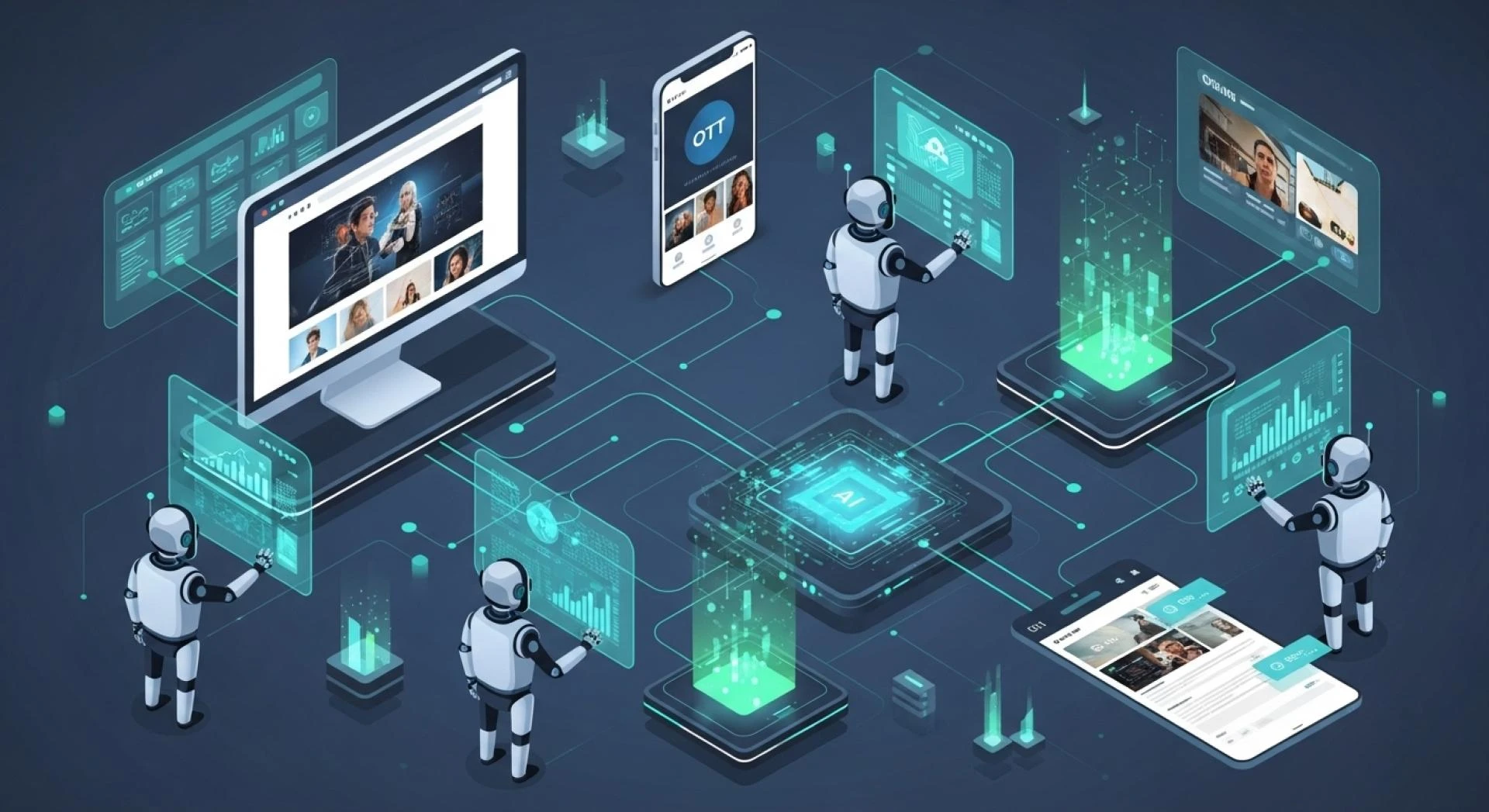

Artificial Intelligence is increasingly reshaping the advertising industry. Today, businesses no longer rely on manual ad-buying processes or traditional media planning. Instead, AI-powered advertising is transforming how ads are bought, optimized, and personalized. A modern Programmatic Advertising Agency now uses artificial intelligence to automate decision-making, improve user targeting, and increase campaign performance in real time.
As digital competition grows, brands need smarter, faster, and more accurate campaign strategies. This is where AI in programmatic advertising plays a crucial role. Through automation, predictive modeling, machine learning, and personalization, AI enhances the efficiency and profitability of digital campaigns.
Understanding AI in Programmatic Advertising
Programmatic advertising refers to the automated buying and selling of online ad space using data-driven technology. Instead of manual negotiation or placement, algorithms decide:
- Who should see an ad
- When they should see it
- On which device or platform
- At what cost
Artificial intelligence enhances this automation. AI analyzes massive volumes of data to ensure every impression is served to the most relevant audience. Rather than showing the same message to everyone, it allows precise targeting based on behavior, demographics, intent signals, and contextual relevance.
How a Programmatic Advertising Agency Uses AI
A modern Programmatic Advertising Agency integrates AI at multiple stages of a campaign. Below are key areas where AI brings value:
1. Advanced Audience Targeting
AI helps agencies understand audiences beyond basic demographics. It analyzes behavior patterns, browsing history, purchase intent, and cross-device interactions.
This allows campaigns to target:
- Lookalike audiences
- Interest-based segments
- Retargeting groups
- High-value potential buyers
Instead of broad messaging, AI ensures ads reach the right person at the right time.
2. Real-Time Bidding Optimization
Real-Time Bidding (RTB) decisions occur in milliseconds. AI algorithms decide whether an impression is valuable enough to bid on and how much to pay.
With machine learning, algorithms learn from previous results and continue improving, ensuring better cost efficiency and higher conversions.
3. Predictive Analytics
One of the strongest benefits of AI is its ability to predict outcomes. A programmatic system can forecast which audience is most likely to convert, which creatives will perform best, and when engagement levels are highest.
Predictive analytics help brands reduce wasted spending and allocate budgets strategically.
4. AI-Driven Creative Personalization
Creativity is no longer a one-size-fits-all approach. AI helps generate dynamic creative ads (DCO), where ad elements such as:
- Headline
- Image
- Call-to-action
- Color and layout
change based on user behavior in real time.
This makes messaging more relevant and increases user engagement and conversions.
5. Fraud Detection and Brand Safety
Digital advertising environments face multiple threats including bot traffic, fake clicks, and inappropriate content placements. AI-powered fraud detection tools analyze suspicious patterns and block invalid impressions.
Brand safety filters ensure ads only appear on trusted, contextually relevant, and secure platforms.
6. Cross-Device Tracking and Attribution
Consumers interact with brands on multiple devices. AI helps connect these touchpoints to create a unified customer journey.
This allows advertisers to measure campaign effectiveness accurately and understand which channel or message drove the final conversion.
Benefits of AI in Programmatic Advertising
Brands working with a Programmatic Advertising Agency benefit from:
- Improved ROI through efficient ad spend
- Better targeting accuracy
- Faster campaign optimization
- Stronger personalization
- Scalable automation
AI allows campaigns to evolve continuously, ensuring improved performance over time.
The Role of Adomantra in AI-Powered Programmatic Advertising
As a leading industry player, Adomantra uses AI-enabled platforms and data-driven strategies to deliver measurable results. Through advanced machine learning, customer insights, and dynamic optimization, Adomantra helps businesses run high-performing digital campaigns that drive conversions and brand growth.
Whether the goal is awareness, lead generation, or remarketing, Adomantra ensures every ad impression contributes to meaningful outcomes.
Future of AI in Programmatic Advertising
AI will continue playing a key role in shaping the future of advertising. Innovations such as:
- Predictive personalization
- Voice search targeting
- AI-generated ad creatives
- Automated content relevance scoring
will make advertising smarter, more predictive, and even more user-centric.
As automation grows, the role of strategy, creativity, and innovation becomes even more important. The brands that embrace AI early will gain a competitive advantage.
Final Thoughts
AI is no longer optional in digital advertising. It is the backbone of modern programmatic campaigns. By partnering with an experienced Programmatic Advertising Agency, businesses can maximize their advertising potential, reach the right audience effectively, and achieve higher ROI.
Adomantra continues to enable brands with cutting-edge advertising solutions powered by AI, data intelligence, and automation — creating smarter, more impactful digital experiences.
Frequently Asked Questions (FAQ)
Q1. What is programmatic advertising and how does AI support it?
Programmatic advertising is the automated process of buying and placing digital ads across multiple platforms using real-time data and technology. AI enhances this process by analyzing user behavior, predicting audience intent, and optimizing ad placements. Instead of manually selecting where ads will appear, AI evaluates thousands of data points within milliseconds to determine the best placement and price for each impression.
Q2. Why should a business work with a Programmatic Advertising Agency?
A dedicated Programmatic Advertising Agency provides expertise, technology access, campaign management, data analysis, and optimization strategies that may not be available in-house. Agencies also work with advanced AI tools to ensure ads reach the most relevant audience while minimizing wasted advertising spend and improving ROI.
Q3. How does AI improve audience targeting?
AI analyzes large datasets including browsing behavior, purchase patterns, interests, and demographics. It then segments audiences and predicts which group is most likely to engage or convert. This results in precise targeting such as contextual targeting, retargeting, geo-targeting, and lookalike audiences.
Q4. Is AI-based programmatic advertising more cost-effective?
Yes. AI ensures that advertising budgets are spent efficiently by automatically avoiding low-value impressions and focusing on high-intent users. It continuously monitors performance and adjusts bids in real-time, helping brands maximize returns while minimizing unnecessary costs.
Q5. Does AI personalize ads?
Yes. AI powers Dynamic Creative Optimization (DCO), which customizes ad elements in real time based on user preferences. This may include different images, offers, headlines, or CTAs. Personalized ads typically lead to higher engagement, improved click-through rates, and better conversion rates.
Q6. How does AI detect ad fraud?
AI tools monitor click patterns, traffic sources, and user behavior to detect suspicious activity such as bots or invalid traffic. When a potential fraud pattern is detected, AI automatically blocks those impressions, ensuring the budget is spent only on real users and trusted ad inventories.
Q7. Can AI help improve campaign performance over time?
Yes. AI learns from campaign results using machine learning. It analyzes which creatives perform best, which audiences convert, and how different placements impact performance. Over time, AI becomes smarter and more efficient, improving campaign outcomes with ongoing optimization.
Q8. Is programmatic advertising safe for brand reputation?
Yes. Using AI-based brand safety filters, ads are placed only on verified and relevant platforms. This prevents ads from appearing alongside inappropriate or low-quality content, protecting the brand’s image and credibility.
Q9. Does programmatic advertising support multiple channels?
Absolutely. AI-powered programmatic advertising supports multiple platforms including:
- Display ads
- Video ads
- Connected TV (CTV)
- Social media
- Mobile in-app ads
- Native formats
- Audio ads
- Digital Out-of-Home (DOOH)
This multi-channel reach allows brands to connect with audiences across devices and platforms seamlessly.
Q10. Is AI-powered programmatic advertising suitable for small and medium businesses?
Yes. AI-driven programmatic solutions are scalable. Whether a business has a small or large budget, programmatic ad systems optimize campaigns to make the most out of every impression. SMEs benefit from automation, better targeting, and data-driven results that help them compete with larger brands.
Q11. Will AI replace human involvement in advertising?
AI automates repetitive tasks like bidding and targeting, but human expertise in creativity, strategy, brand storytelling, audience understanding, and decision-making remains essential. A balance of AI automation and human intelligence ensures the best campaign performance.
Q12. How does Adomantra use AI in programmatic advertising?
Adomantra combines advanced AI-driven tools with strategic planning to deliver measurable performance. The agency uses AI for audience targeting, real-time optimization, fraud control, reporting, and dynamic creative personalization. This approach ensures brands receive data-backed, result-focused advertising solutions.




























Sign in to leave a comment.