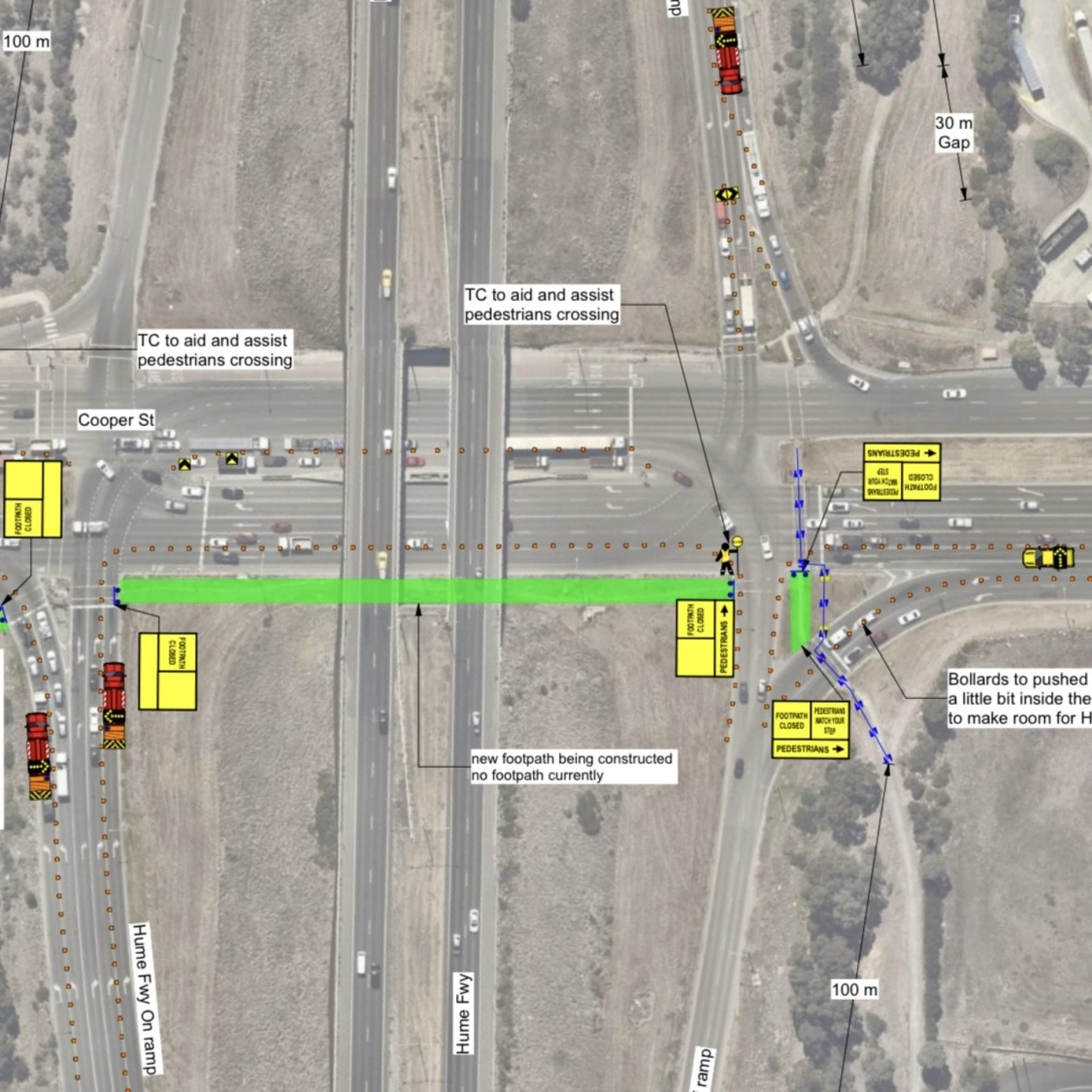

Effective traffic control is not just about maintaining the flow of vehicles — it’s a fundamental part of ensuring public safety. Whether in urban centers, construction zones, event venues, or rural highways, a well-structured traffic management plan plays a vital role in preventing accidents, protecting workers and pedestrians, and promoting safer transportation systems. This article explores how a traffic management plan enhances public safety through planning, regulation, and real-time implementation.
What Is a Traffic Management Plan?
A traffic management plan (TMP) is a formal document that outlines how vehicle and pedestrian traffic will be controlled in a specific area to ensure safety and efficiency. It typically includes:
- Traffic flow strategies
- Signage and barriers
- Detour planning
- Speed restrictions
- Emergency access provisions
- Communication methods
TMPs are essential for areas undergoing temporary changes — such as construction sites or event venues — and for long-term safety improvements in high-traffic zones.
Why Public Safety Depends on Traffic Management
The primary purpose of a TMP is to protect people — drivers, passengers, pedestrians, cyclists, and workers — from traffic-related hazards. Poorly managed traffic zones can lead to accidents, injuries, fatalities, and emergency response delays.
Reducing the Risk of Collisions
A major benefit of a traffic management plan is its ability to minimize traffic collisions by:
- Clearly directing traffic through detours or lane closures
- Separating pedestrians and vehicles
- Implementing speed restrictions in hazardous areas
- Installing proper signage and warnings
These proactive measures reduce confusion and unpredictability, which are often key factors in accidents.
Protecting Pedestrians and Cyclists
TMPs also prioritize the safety of non-motorized road users, such as pedestrians and cyclists. This is particularly important in urban areas and near construction sites, where footpaths may be obstructed or redirected. A well-designed plan will:
- Ensure clearly marked pedestrian crossings
- Provide temporary footpaths or walkways
- Use barriers to separate work zones from public areas
- Offer adequate lighting for night-time safety
Ensuring Worker Safety in Roadwork Zones
Construction and maintenance zones are high-risk areas where vehicles move close to workers. A TMP helps create safe working environments by:
- Defining clear work and traffic zones
- Using high-visibility signage and lighting
- Scheduling work during low-traffic hours
- Assigning flaggers or traffic controllers where needed
Without proper traffic management, workers are exposed to dangerous conditions that could result in serious injury or death.
Components of a Safety-Focused Traffic Management Plan
For a TMP to be effective in improving public safety, it must include certain critical components.
Hazard Identification and Risk Assessment
Before any plan is created, a risk assessment must be conducted to identify:
- Volume and speed of traffic
- Location-specific hazards (e.g., intersections, blind curves)
- Vulnerable road users
- Environmental factors such as poor lighting or weather conditions
Understanding these risks helps planners choose the right control measures.
Clear Signage and Communication
Good signage is essential for keeping both drivers and pedestrians informed. A TMP should include:
- Advance warning signs
- Directional arrows
- Speed limit signs
- Night-time visibility enhancements (reflective surfaces or lighting)
Information must be easy to understand and visible from a safe distance.
Traffic Controllers and Flaggers
In high-risk or complex zones, human intervention may be required. Trained personnel can:
- Direct traffic safely
- Respond to emergencies or unexpected situations
- Assist pedestrians and vulnerable individuals
Their presence often makes the difference in reducing accidents in unpredictable scenarios.
Emergency Access and Evacuation Planning
A comprehensive TMP ensures that emergency vehicles can reach the site without delay. This involves:
- Keeping dedicated lanes open
- Providing alternative routes
- Training staff on emergency protocols
- Installing communication systems to alert first responders
In emergencies, every second counts — and a TMP that includes contingency planning saves lives.
Real-Life Scenarios Where TMPs Improve Safety
Understanding the impact of TMPs is easier when looking at real-world applications.
Construction Zones
Whether on highways or city streets, roadwork requires re-routing of traffic and reduced lane widths. Without a TMP:
- Drivers may make last-minute lane changes
- Workers may be struck by oncoming vehicles
- Traffic congestion could lead to road rage and risky behavior
With a TMP, however, hazards are anticipated and addressed, creating a safer experience for everyone.
Public Events and Gatherings
During parades, festivals, or concerts, thousands of people may be on foot while nearby roads remain active. A TMP ensures:
- Controlled entry and exit points
- Reduced traffic in high-density pedestrian areas
- Safe crossings and temporary walkways
- Coordination with police and event staff
This reduces the risk of crowd-related accidents and improves emergency response readiness.
School Zones
TMPs are also essential around schools, especially during drop-off and pick-up times. Measures like:
- Reduced speed zones
- Clearly marked crosswalks
- Traffic wardens
- Designated loading/unloading areas
help prevent tragic accidents involving children and improve overall road discipline.
Benefits Beyond Safety
While public safety is the primary goal, a traffic management plan also contributes to:
- Traffic flow efficiency: Reducing congestion and delays
- Environmental impact: Minimizing idling and emissions through smoother movement
- Public trust: Showing communities that safety is a priority
- Legal compliance: Meeting regulations and avoiding penalties or liability
Conclusion
A well-executed traffic management plan is not just a bureaucratic requirement — it's a critical tool for protecting lives. From construction zones and schools to public events and urban roadways, these plans serve as blueprints for safer, smarter movement of people and vehicles.
By anticipating risks, communicating clearly, and coordinating effectively, TMPs play a key role in reducing accidents, enhancing emergency response, and promoting responsible road use. In an increasingly mobile world, investing in proper traffic management is not optional — it's essential.

























Sign in to leave a comment.