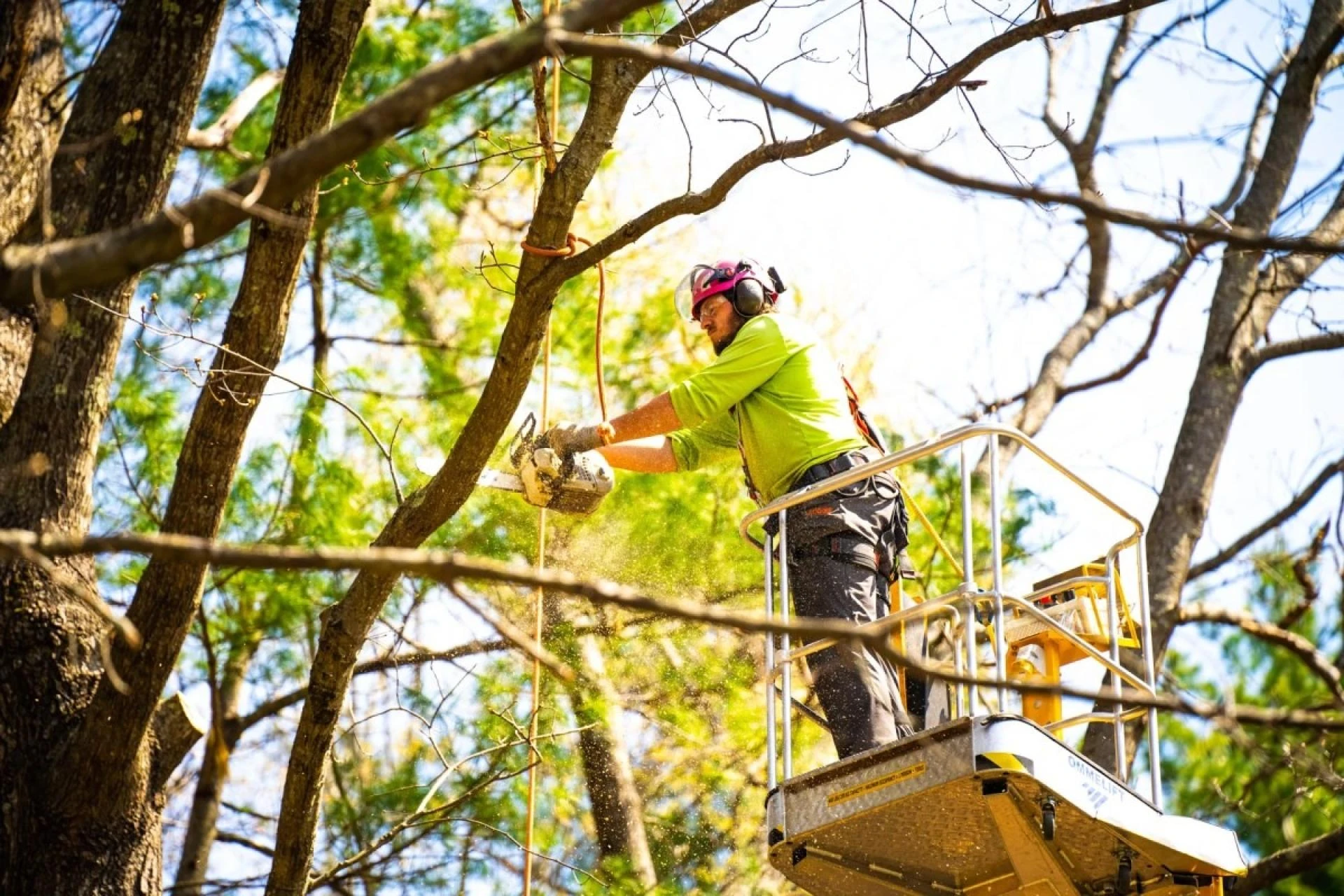
Tree health requires professional expertise beyond simple garden maintenance. Lancashire's coastal climate creates unique challenges for urban trees and mature specimens. Blackpool Tree Surgeon understands these local conditions through years of arboricultural experience serving residents across Fylde Coast.
Professional tree surgeons protect your property investment whilst maintaining ecological balance. Trees facing disease pressure, structural defects, or environmental stress need specialist intervention. Without proper care, declining trees become safety hazards requiring expensive emergency Blackpool Tree Removal Services.
Understanding Professional Tree Surgery Services
Qualified arborists assess tree health using diagnostic techniques unavailable to general gardeners. NPTC certification ensures practitioners understand plant pathology, structural mechanics, and biosecurity protocols. This expertise prevents costly mistakes that worsen tree condition through improper intervention.
Tree Cutting in Blackpool involves precision work rather than random pruning. Crown reduction techniques maintain natural form whilst reducing wind resistance and structural load. Each cut considers compartmentalization – how trees naturally seal wounds against fungal infection and decay organisms.
Blackpool Tree Surgeon employs British Standard BS3998 methodology throughout operations. These industry standards define proper techniques for pruning cuts, branch removal, and tree dismantling. Following these protocols prevents long-term damage that compromises tree vitality and structural integrity.
Seasonal Tree Health Management
Spring inspections reveal winter damage and emerging pest activity before problems escalate. Arborists examine cambium tissue, check for bleeding cankers, and assess bud development. Early intervention prevents minor issues becoming major tree removal necessities.
Summer brings drought stress particularly severe in Blackpool's sandy soils. Root systems struggle accessing moisture during extended dry periods. Professional tree care includes soil analysis, mulching strategies, and irrigation recommendations supporting trees through challenging conditions.
Autumn preparations protect trees entering dormancy periods. Crown thinning reduces storm damage risk from Lancashire's brutal winter winds. Removing deadwood eliminates habitat for overwintering pests like bark beetles and wood-boring insects.
Critical Tree Health Indicators
Leaf discoloration signals underlying problems requiring professional diagnosis. Chlorosis indicates nutrient deficiencies, whilst necrotic patches suggest fungal diseases or bacterial infections. Ash dieback, oak decline, and Dutch elm disease all present distinct symptom patterns demanding different responses.
Structural defects develop silently within trees until catastrophic failure occurs. Included bark, co-dominant stems, and decay pockets require experienced assessment. Blackpool Tree Surgeon uses resist graph testing and visual tree assessment protocols identifying hidden weaknesses.
Here's what demands immediate attention:
- Hanging branches creating imminent drop hazards
- Root heave indicating structural instability
- Fungal fruiting bodies revealing internal wood decay
- Crown dieback exceeding 25% canopy coverage
- Proximity concerns near buildings, power lines, pathways
Storm damage assessment prevents secondary failures after severe weather events. Partially failed branches create dynamic loads stressing remaining tree structure. Professional removal eliminates risks whilst preserving salvageable portions through corrective pruning.
Disease Management and Prevention
Phytophthora species devastate root systems through waterborne transmission. This water mould causes sudden oak death and larch dieback across UK forests. Soil drainage improvements and biosecurity measures limit spread between properties through contaminated equipment.
Honey fungus (Armillaria) attacks woody plants through underground rhizomorph networks spreading between gardens. Early detection enables root excavation and barrier installation protecting valuable specimens. Advanced infections require complete tree removal and stump grinding eliminating inoculum sources.
Blackpool Tree Surgeon implements integrated pest management combining cultural practices, biological controls, and targeted interventions. Chemical treatments remain last resort options following Forestry Commission guidance and environmental protection regulations.
Specialized Blackpool Tree Removal Services
Tree felling demands sophisticated rigging techniques in constrained urban environments. Sectional dismantling removes trees piece-by-piece above sensitive areas like conservatories, driveways, and neighbouring properties. Crane-assisted removal handles exceptionally large specimens safely.
Emergency tree work operates 24/7 responding to storm-damaged trees threatening property and safety. Rapid response prevents escalating damage from unstable trees during continuing weather events. Insurance documentation and photographic evidence support subsequent claims processes.
Stump grinding eliminates trip hazards and prevents fungal colonization attracting secondary pests. Professional stump grinders remove root plates to specified depths enabling immediate replanting or landscaping. Wood chip recycling provides sustainable mulch material enriching garden soils.
Crown Management Techniques
Crown lifting removes lower branches improving clearance above roads, pathways, and structures. This pruning method enhances light penetration whilst maintaining tree health through selective removal. Proper technique prevents epicormic growth and wound infections.
Crown thinning reduces branch density by 10-30% improving air circulation and light distribution. This intervention reduces fungal disease pressure whilst decreasing wind loading on mature specimens. Balanced reduction maintains natural form avoiding stress responses.
Pollarding suits specific species like willows and limes requiring intensive management. This historic technique maintains trees at controlled heights through cyclic cutting. Blackpool Tree Surgeon applies pollarding to street trees and garden specimens where space limits natural development.
Tree Cutting in Blackpool: Safety and Compliance
Risk assessment precedes every operation identifying overhead hazards, underground services, and access constraints. Method statements document procedures ensuring Health and Safety Executive compliance and public liability protection. Comprehensive insurance coverage including £10 million public liability protects property owners.
Traffic management becomes essential for roadside tree work along Blackpool's busy thoroughfares. Highway permits and temporary road closures enable safe operations whilst minimizing disruption. Coordination with Lancashire County Council ensures planning permission compliance and TPO regulations adherence.
Wildlife protection legislation governs operations during nesting season (March-August). Ecological surveys identify bat roosts, bird nests, and protected species requiring mitigation measures. Blackpool Tree Surgeon schedules work minimizing habitat disturbance whilst meeting legal obligations.
Equipment and Technical Capabilities
Chainsaw operations require NPTC CS30 and CS31 certification demonstrating competency in ground-level and aerial cutting. Rope access techniques enable work in challenging locations without expensive aerial platforms. LOLER inspections ensure all lifting equipment meets safety standards.
Wood chipper processing converts waste material into valuable organic mulch or biomass fuel. Mobile equipment handles branches up to 30cm diameter on-site reducing transportation costs. Green waste recycling aligns with environmental responsibility and carbon footprint reduction.
Stump grinder capacity determines removal efficiency across different species and root structures. Professional-grade machines grind stumps to 450mm depth eliminating regrowth potential and structural obstacles. Access equipment navigates narrow side passages and rear gardens.
Maintaining Long-term Tree Health
Soil health determines tree vitality more than most gardeners realize. Compacted soil restricts root development and gas exchange causing gradual decline. Air spading techniques gently expose roots enabling soil amendment without damaging fine root hairs.
Mulch application provides multiple benefits including moisture retention, temperature moderation, and nutrient cycling. Proper technique maintains 75mm depth avoiding stem contact that encourages bark rot. Organic mulches decompose enriching soil whilst suppressing weed competition.
Fertilization addresses documented deficiencies following soil testing rather than blanket applications. Slow-release formulations support steady growth without promoting excessive vigour that compromises structural development. Blackpool Tree Surgeon recommends mycorrhizal inoculation enhancing nutrient uptake efficiency.
Young Tree Establishment
Formative pruning during early years establishes strong branch architecture preventing future problems. Corrective interventions cost far less than remedial work on mature specimens. Three-year establishment periods require regular watering and stake adjustment supporting healthy development.
Protection measures safeguard young trees from mechanical damage, vandalism, and animal browsing. Tree guards prevent bark stripping by rabbits and deer whilst spiral protectors allow stem expansion. Monitoring ensures support systems don't cause stem girdling as trees grow.
Frequently Asked Questions
How Often Should Trees Receive Professional Inspection?
Annual inspections identify emerging problems before they escalate. High-risk trees near buildings or pathways need assessments every 12-18 months by qualified arborists.
What Makes Blackpool's Climate Challenging for Tree Health?
Salt spray from coastal winds causes foliar damage and soil salinity. Sandy soils drain quickly creating drought stress. Strong winds increase structural loading requiring proactive management.
When Is the Best Time for Tree Surgery Work?
Dormant season (November-February) suits most species. Summer pruning benefits stone fruits and walnuts. Species-specific timing minimizes stress responses and disease infection risks.
Do I Need Permission for Tree Work?
Tree Preservation Orders and Conservation Areas require local authority approval. Blackpool Tree Surgeon handles planning applications ensuring full regulatory compliance throughout operations.
How Quickly Can Emergency Tree Services Respond?
24-hour emergency response handles storm damage and immediate hazards. Standard work typically schedules within 5-7 days depending on seasonal demand and project complexity.











Sign in to leave a comment.