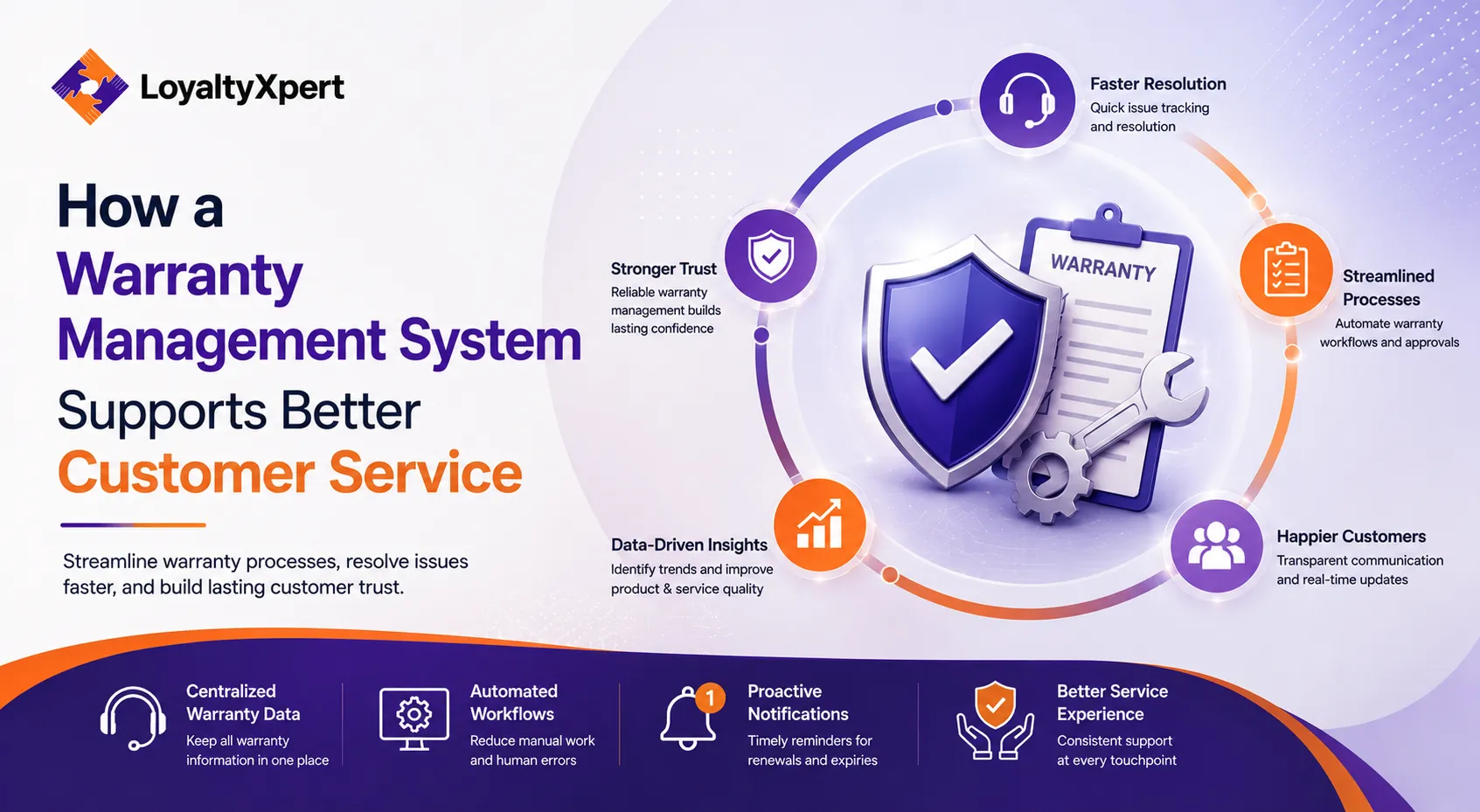

A well-managed warranty process plays an important role in shaping the overall customer experience. When product registrations, warranty records, and claims are handled efficiently, customers are more likely to trust a brand and continue doing business with it. As organizations move away from manual paperwork and disconnected systems, many are adopting a warranty management system to streamline warranty operations and improve service quality.
Digital warranty management not only simplifies internal processes but also helps businesses respond to customer requests more quickly and accurately.
Why Warranty Management Matters
A warranty is more than a product guarantee. It also represents a company's commitment to supporting customers after a purchase. However, managing warranty information manually can create delays, incomplete records, and administrative challenges that affect both customers and service teams.
A structured warranty management system helps businesses organize warranty information in a centralized environment, making it easier to verify registrations, process claims, and maintain accurate product records.
This structured approach contributes to a smoother customer service experience throughout the warranty lifecycle.
Simplifying Warranty Registration
The first step in effective warranty management is accurate product registration. Manual registration processes often result in missing information, duplicate records, or delayed updates.
Digital systems simplify registration by allowing warranty information to be captured and stored electronically. Centralized records help businesses maintain accurate customer and product information while reducing paperwork and improving data accessibility.
This makes warranty details easier to retrieve whenever service requests arise.
Improving Warranty Claim Processing
Warranty claims can involve multiple stages, including verification, approval, documentation, and resolution. Without an organized process, claim handling may become time-consuming and inconsistent.
A warranty management system helps businesses streamline claim workflows by:
- Maintaining centralized warranty records
- Supporting claim verification
- Organizing supporting documentation
- Tracking claim status throughout the process
Structured workflows help reduce delays and improve consistency in warranty-related services.
Enhancing Customer Experience
Customers generally expect warranty support to be simple and transparent. Delays in locating warranty records or unclear claim procedures can negatively affect their experience.
Digital warranty systems often improve customer service by providing:
- Faster access to warranty information
- Better tracking of claim progress
- More consistent communication
- Improved accuracy in service records
These improvements contribute to a more reliable and efficient support experience.
Better Visibility Through Centralized Data
One of the advantages of using a warranty management system is the ability to maintain all warranty-related information within a single platform. This provides businesses with greater visibility into product registrations, warranty status, and claim activity.
Centralized information helps organizations:
- Monitor warranty performance
- Identify recurring product issues
- Analyze claim trends
- Improve service planning
Access to organized data supports more informed operational decisions.
Supporting Business Growth
As organizations expand their product lines and customer base, warranty administration becomes increasingly complex. Managing thousands of warranty registrations manually can create operational challenges and increase the risk of errors.
A scalable warranty management system helps businesses support:
- Larger volumes of warranty registrations
- Increased claim activity
- Multiple product categories
- Consistent warranty administration across locations
This scalability enables businesses to maintain service quality as operations continue to grow.
Looking Beyond Warranty Claims
Modern warranty systems are increasingly viewed as customer relationship tools rather than simple record-keeping solutions. Accurate warranty information can support better after-sales service, improve communication, and provide insights that contribute to product improvement initiatives.
When warranty processes are well organized, businesses can strengthen customer confidence while improving internal efficiency.
Conclusion
A warranty management system provides businesses with a structured way to manage warranty registrations, process claims, and maintain accurate product records. By centralizing information and simplifying administrative tasks, organizations can improve operational efficiency while delivering better customer service.
As customer expectations continue to rise, digital warranty management is becoming an important part of creating consistent and reliable after-sales support.
Originally published on LoyaltyXpert
To explore detailed features, implementation approaches, and practical insights,
Read the full guide on warranty management systems on LoyaltyXpert.





























Sign in to leave a comment.