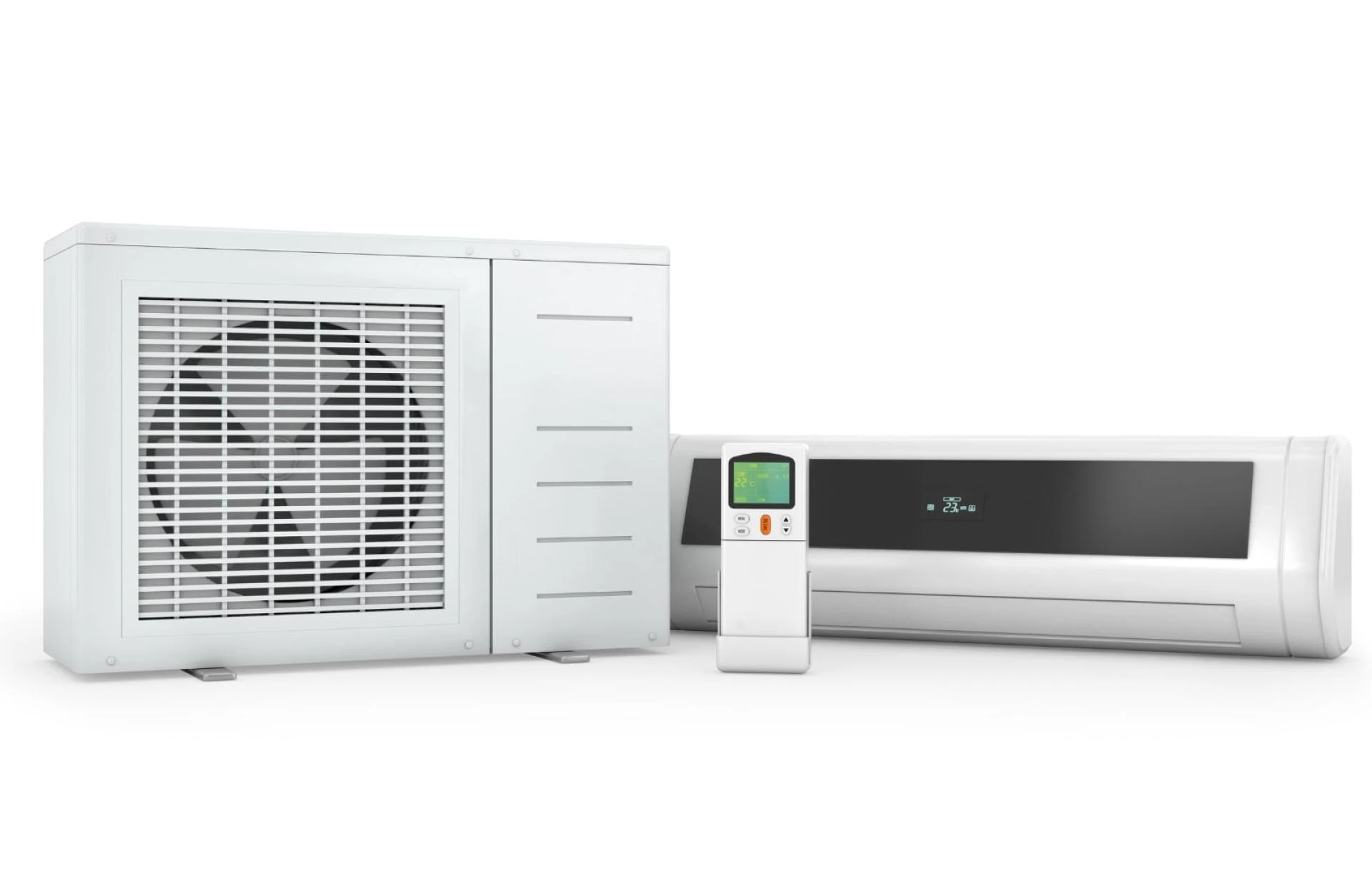

With rising temperatures and the increasing demand for air conditioning, it's no surprise that cooling systems can consume a significant amount of energy and contribute to high electricity bills. However, advances in technology have led to the development of WiFi-enabled air conditioning units, which can help reduce energy consumption and cut down on electricity bills. In this blog post, we will explore how traditional air conditioner units consume energy and how WiFi air conditioners can help save energy and reduce electricity bills.
How Traditional Air Conditioners Work
Traditional air conditioners work by absorbing heat from the air inside a building and releasing it outside. The AC unit consists of a compressor, a condenser, an expansion valve, and an evaporator. The compressor pumps refrigerant gas through the system, which then goes through the condenser where it releases heat to the outside air. The refrigerant then passes through an expansion valve, which causes it to expand and cool down. The cool refrigerant then flows through the evaporator, where it absorbs heat from the indoor air, and the process starts again.
However, this process can be inefficient in terms of energy usage. One reason for this is that the AC unit has to work harder when it's hot outside because the temperature difference between the inside and outside air is greater. Additionally, traditional AC units can lose efficiency due to leaky ducts, poor insulation, or lack of maintenance. Furthermore, some older AC units use refrigerants that are harmful to the environment, such as chlorofluorocarbons (CFCs) and hydrochlorofluorocarbons (HCFCs), which contribute to ozone depletion and global warming.
Traditional air conditioners can be inefficient in terms of energy usage, which can lead to higher electricity bills and increased carbon emissions. However, newer models with higher energy efficiency ratings and more environmentally friendly refrigerants are now available, making it easier to stay cool while minimising the impact on the environment and energy bills.
What Are WiFi-Enabled Air Conditioners?
WiFi-enabled air conditioners, also known as smart air conditioners, are air conditioning units that can be controlled remotely through a WiFi network using a smartphone, tablet, or computer. These units are different from traditional air conditioners in that they are equipped with sensors and smart algorithms that optimise cooling while minimising energy usage.
One of the key features of WiFi-enabled ACs is the ability to monitor and adjust the temperature and settings from anywhere, at any time. This allows users to control their AC units even when they are not at home, enabling them to come back to a cool and comfortable environment. Additionally, many WiFi-enabled ACs are equipped with sensors that detect the ambient temperature and humidity levels, as well as the presence of people in the room. This allows the unit to adjust its cooling output based on the conditions and usage patterns, thereby minimising energy consumption.
Smart algorithms are also a crucial part of WiFi-enabled ACs, as they enable the unit to learn and adapt to the user's preferences over time. By analysing usage patterns and environmental conditions, these algorithms can predict when the unit needs to be turned on or off and adjust the temperature accordingly. Some models can even use machine learning algorithms to optimise the cooling output based on factors such as time of day, weather patterns, and occupancy patterns.
Overall, WiFi-enabled air conditioners offer many advantages over traditional ACs, including greater convenience, more efficient energy usage, and improved environmental impact. By utilising sensors and smart algorithms, these units can optimise cooling while minimising energy usage, making them a great choice for anyone looking to stay cool while also minimising their energy bills and carbon footprint.
Benefits Of WiFi-Enabled Air Conditioners
There are several benefits to using WiFi-enabled air conditioners, which have become increasingly popular in recent years. One of the most significant advantages is improved energy efficiency, which can result in lower energy bills and reduced carbon emissions. With the ability to monitor and adjust the temperature and settings remotely, users can optimise their AC usage based on their needs and preferences, resulting in less wasted energy and improved efficiency.
Another benefit of WiFi-enabled ACs is improved comfort. These units can be programmed to maintain a consistent temperature and humidity level, ensuring that the indoor environment is comfortable and healthy. With the ability to adjust settings remotely, users can also ensure that their home or office is at the desired temperature by the time they arrive, eliminating the need to wait for the unit to cool down.
WiFi-enabled ACs also offer greater convenience and control. Users can easily adjust the temperature and settings from their smartphone or tablet, without having to physically interact with the unit. This makes it easy to turn the AC on or off, adjust the temperature, or set a schedule, all from the comfort of their own device. Additionally, some models can be integrated with smart home systems, allowing users to control their AC units along with other smart devices in their homes.
Finally, WiFi-enabled ACs can offer improved environmental sustainability. By optimising energy usage and reducing waste, these units can help reduce the overall carbon footprint of a home or office. Additionally, many models use more environmentally friendly refrigerants and materials, making them a better choice for those who are looking to reduce their environmental impact.
The Science Behind Smart Cooling
WiFi-enabled air conditioners (ACs) utilise advanced technology to achieve energy efficiency by using temperature and humidity sensors and machine learning algorithms. These ACs are equipped with sensors that detect the temperature and humidity levels in a room, allowing the system to automatically adjust the cooling level according to the ambient conditions. This results in a more efficient use of energy, as the AC only cools the room as much as necessary, reducing unnecessary energy consumption.
Additionally, these ACs are capable of learning user preferences through machine learning algorithms. By analysing past usage patterns, the AC can learn when and how a user prefers to cool their room. This information can then be used to automatically adjust the cooling level, ensuring that the user's preferences are met while also optimising energy usage.
Furthermore, some WiFi-enabled ACs can also connect to the Internet and obtain weather forecast information. By analysing this data, the AC can adjust the cooling level in advance, based on the expected outdoor temperature and humidity. This feature can help save energy and improve the overall efficiency of the AC.
Choosing A WiFi-Enabled Air Conditioner
When choosing a WiFi-enabled air conditioning unit, there are several factors to consider. The first consideration is the size of the unit, which should be appropriate for the size of the room or space it will be cooling. Choosing the wrong size can result in inefficient cooling or wasted energy, so it's important to consult with the manufacturer's guidelines or an HVAC professional.
Another important factor is the energy efficiency rating of the unit, which can impact both its environmental impact and its operating costs. Look for AC units with high SEER (Seasonal Energy Efficiency Ratio) ratings, which indicate how efficiently the unit converts electricity into cooling power. Additionally, some models may have additional features such as energy-saving modes or smart scheduling options that can further optimise energy use.
Compatibility with other smart home devices is another important consideration for those who want to integrate their AC unit with other technology in their home. Look for models that can connect to popular smart home ecosystems, such as Amazon Alexa, Google Home, or Apple HomeKit, and which offer additional features such as voice control or remote access via smartphone apps. Some models may also be compatible with other sensors or smart home devices, such as occupancy sensors or air quality monitors, which can further optimise comfort and energy use.
Other factors to consider when choosing a WiFi-enabled AC unit may include noise levels, ease of installation and maintenance, and additional features such as air purifiers or dehumidifiers. Ultimately, the best AC unit for your needs will depend on your unique preferences and requirements, but taking these factors into consideration can help you make an informed decision that will keep you comfortable and save you money in the long run.
In conclusion, choosing a WiFi-enabled air conditioner can significantly reduce your energy bills while providing comfort and convenience. Coles Refrigeration offers a range of energy-efficient air conditioning systems with WiFi connectivity that allow you to control your cooling from anywhere. By upgrading to a WiFi air conditioner, you can take control of your energy usage and lower your carbon footprint. So why not take the first step towards a more sustainable and cost-effective cooling solution today? Visit Coles Refrigeration's website to learn more and make the switch to a WiFi-enabled air conditioner.



























Sign in to leave a comment.