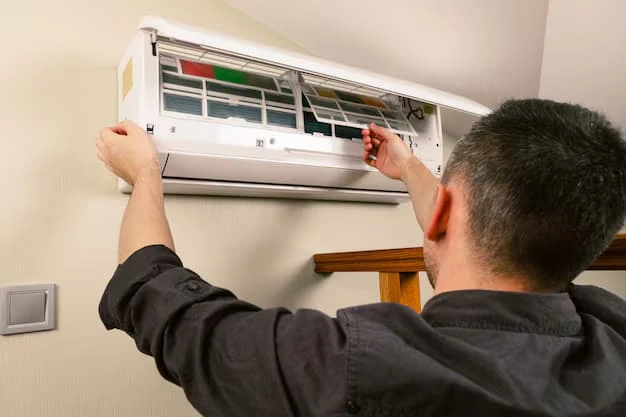

In a city like Miami, where temperatures can soar well above 90°F during the summer months, air conditioning is not just a luxury but a necessity. Whether in a residential home or commercial space, an efficient AC system plays a vital role in maintaining comfort during the sweltering heat. However, one of the most common concerns among homeowners and business owners alike is the impact of air conditioning on energy bills. A proper AC unit installation in Miami can significantly affect energy consumption, and understanding these effects can help you make informed decisions about your cooling system.
In this article, we’ll explore how AC unit installation in Miami can influence energy bills, discuss the factors that contribute to energy efficiency, and offer tips on minimizing costs while ensuring optimal cooling.
The Relationship Between AC Unit Installation and Energy Efficiency
When installing an AC unit in Miami, energy efficiency should be at the forefront of your decision-making process. The efficiency of an air conditioning system is largely determined by its SEER (Seasonal Energy Efficiency Ratio) rating, size, and proper installation. Here’s how each of these factors plays a role in managing energy costs:
SEER Rating and Energy Efficiency
The SEER rating is a key factor in determining the efficiency of an air conditioning system. The higher the SEER rating, the more efficient the unit is at cooling a space for each unit of energy consumed. In Miami, where air conditioners often run for many hours each day, choosing an AC unit with a high SEER rating can lead to considerable savings on energy bills.
For instance, a unit with a SEER rating of 14 or higher is generally more energy-efficient than older models with lower ratings. Modern AC units, which often have SEER ratings between 16 and 21, use less energy to achieve the same cooling results, meaning homeowners will see a noticeable reduction in their monthly energy expenses.
Proper Sizing of the AC Unit
Another critical element of AC unit installation in Miami is the correct sizing of the unit. An oversized unit may cool the space quickly but will also use more energy than necessary to maintain the desired temperature. On the other hand, an undersized unit will have to work harder and longer to keep the environment cool, leading to higher energy consumption. A professional installation team ensures that the unit is the right size for the space, contributing to better energy efficiency and lower bills.
Installation Process and Its Effect on Performance
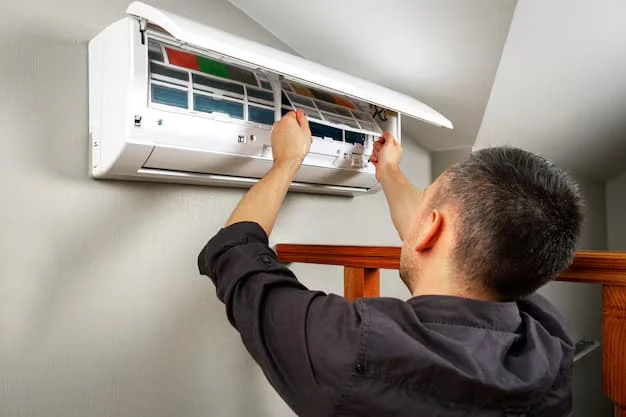
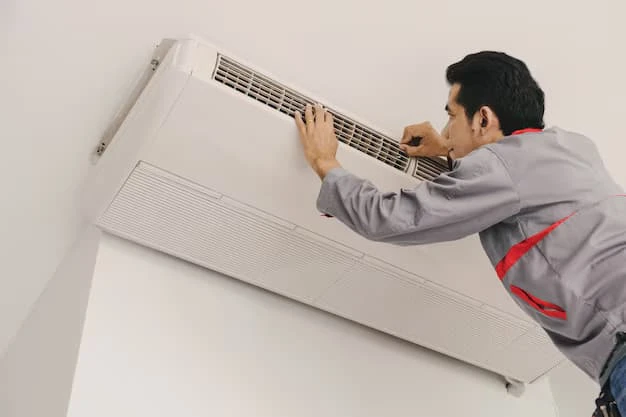
Even if you choose an energy-efficient AC unit, improper installation can negate these benefits. A poorly installed system may leak refrigerant or fail to operate at peak efficiency, leading to unnecessary energy usage and higher costs. Ensuring a proper installation ensures that the system works as intended, cooling your space without wasting energy.
Factors Influencing Energy Bills After AC Installation
While the right AC unit installation in Miami is a crucial first step, several external factors also influence energy bills. Let’s take a closer look at these elements:
Weather and Outdoor Temperature
Miami’s tropical climate is characterized by high humidity and intense heat, both of which increase the demand on air conditioning units. During peak summer months, the outside temperature can exceed 90°F, which means the AC has to work harder to cool the indoor environment. The hotter it gets outside, the more energy your AC will consume to maintain a comfortable indoor temperature.
However, proper AC unit installation in Miami can help the system handle these extreme conditions more efficiently. A well-placed AC unit, combined with proper insulation and sealing, reduces the workload on the system, thus lowering energy consumption even on the hottest days.
Insulation and Sealing
Good insulation is an essential part of energy-efficient AC operation. If your home or office lacks proper insulation, cool air can escape, and warm air can enter, making your AC system work harder. Installing high-quality insulation and sealing gaps around windows and doors helps retain cool air, making it easier for your AC to maintain the desired indoor temperature. This, in turn, lowers energy usage and, consequently, your energy bills.
Thermostat Settings and Usage Patterns
The way you set and use your thermostat can significantly affect how much energy your air conditioning system uses. Setting the thermostat too low forces the AC to run at full capacity, using more energy than necessary. Conversely, setting it at a moderate temperature, such as 78°F, can help reduce energy consumption while maintaining comfort.
Using a programmable thermostat is another way to manage energy usage. This type of thermostat allows you to set specific cooling schedules, so the AC runs only when needed, avoiding unnecessary energy consumption.
Maintenance and Regular Upkeep
Proper maintenance is another essential factor in reducing energy bills after AC unit installation in Miami. Regularly servicing your air conditioning system ensures that it operates at peak efficiency. A well-maintained unit uses less energy and lasts longer. Basic maintenance tasks such as cleaning the filters, checking the refrigerant levels, and ensuring the system is free from dirt and debris can all contribute to lower energy costs.
How Energy-Saving Features of Modern AC Units Help Reduce Bills
Modern air conditioning systems come with a variety of energy-saving features designed to reduce electricity consumption and minimize environmental impact. Some of the most popular energy-saving technologies include:
Variable Speed Compressors
Traditional AC units operate with a single-speed compressor that runs at full capacity whenever the unit is on. Newer units often feature variable-speed compressors, which adjust the cooling power depending on the indoor temperature. This technology helps the unit consume less energy and maintain a more consistent temperature throughout the day.
Smart Thermostats
Smart thermostats allow homeowners to control their AC units remotely and set up automatic schedules that adapt to lifestyle changes. By managing the AC more efficiently, these thermostats can significantly reduce energy consumption and lower energy bills.
Zoned Cooling Systems
Zoned cooling systems allow you to cool specific areas of your home or business rather than cooling the entire space. This helps eliminate the wasteful energy usage that occurs when cooling rooms that aren’t being used.
Conclusion: Efficient AC Installation in Miami Can Save You Money
The impact of AC unit installation in Miami on your energy bills cannot be understated. By selecting an energy-efficient unit, ensuring proper installation, and considering factors such as insulation and thermostat settings, homeowners can significantly reduce their cooling costs. The right air conditioning system, along with proper maintenance and energy-saving technologies, will provide comfort without breaking the bank.
If you're looking for professional AC unit installation in Miami or need advice on how to optimize your existing system, US1 AC Repair Miami is here to help. Their expert team offers reliable services that ensure your air conditioning system is installed and maintained for maximum energy efficiency, helping you save on energy bills while staying cool all year round. Don’t wait contact US1 AC Repair Miami today and take the first step toward lower energy bills and a more comfortable living environment.



























Sign in to leave a comment.