
In today's rapidly evolving technological landscape, workplace security has become a critical concern for businesses of all sizes. Traditional methods of securing a workplace, such as keys and locks, have proven inadequate against modern threats. Enter access control systems, a cutting-edge solution that is revolutionizing workplace security by providing robust, flexible, and scalable protection. This article delves into how these systems are transforming the security paradigm in contemporary workplaces.
Enhanced Security and Protection
One of the primary benefits of access control systems is their ability to provide enhanced security. Unlike traditional locks, which can be easily duplicated or picked, access control systems use encrypted data that is difficult to replicate or hack. Biometric systems, such as fingerprint and facial recognition, add a layer of security by ensuring that only authorized personnel can gain access. This significantly reduces the risk of unauthorized entry and potential security breaches.
Improved Efficiency and Convenience
Access control systems streamline the process of managing workplace security. Employees no longer need to carry multiple keys or worry about losing them. With keycards or mobile credentials, access can be granted or revoked instantly by the system administrator, eliminating the need for physical key retrieval. This not only improves security but also enhances operational efficiency, allowing businesses to focus on their core activities without the constant concern of security management.
Integration with Other Security Systems
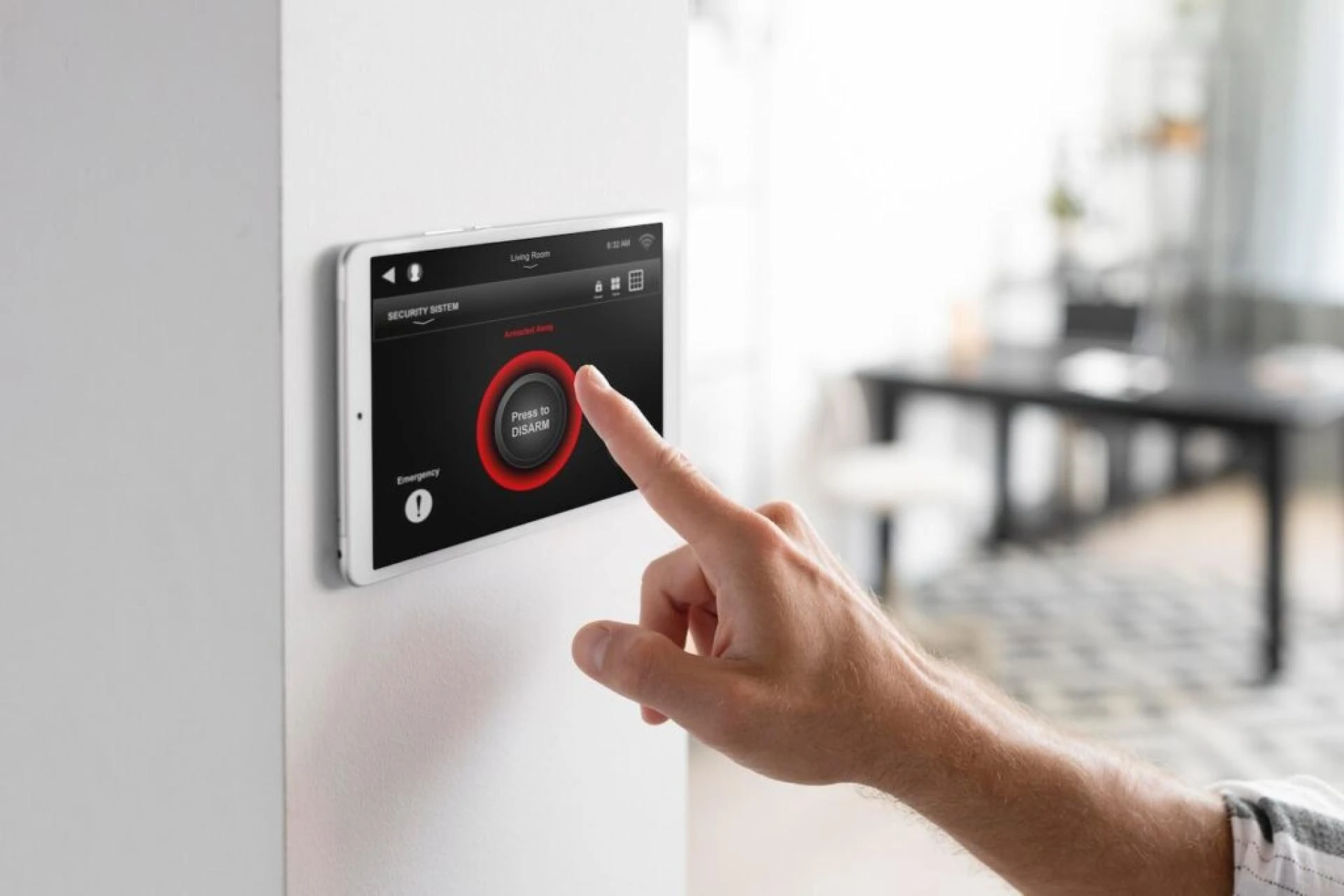
Modern access control systems are designed to integrate seamlessly with other security systems, such as surveillance cameras, alarm systems, and visitor management systems. This integration creates a unified security infrastructure that provides comprehensive monitoring and control. For instance, when an access control system detects unauthorized entry, it can automatically trigger alarms and alert security personnel while simultaneously activating nearby surveillance cameras to record the incident.
Data Collection and Analytics
Access control systems are not just about controlling entry; they also provide valuable data insights. These systems track and record the movements of individuals within the premises, generating detailed logs and reports. This data can be analyzed to identify patterns and potential security vulnerabilities. For example, if an unusual amount of access attempts is detected in a restricted area, it may indicate a security threat that needs to be addressed. Additionally, data analytics can help optimize workplace operations by identifying high-traffic areas and adjusting access permissions accordingly.
Compliance and Regulatory Requirements
Many industries are subject to strict regulatory requirements concerning security and data protection. Access control systems help businesses comply with these regulations by providing detailed records of access events and ensuring that only authorized individuals have access to sensitive areas. This is particularly important in sectors such as healthcare, finance, and government, where compliance with standards like HIPAA, PCI-DSS, and GDPR is mandatory.
Conclusion
Access control systems are revolutionizing workplace security by providing a robust, efficient, and adaptable solution to modern security challenges. By leveraging advanced technologies and integrating with other security measures, these systems offer unparalleled protection and peace of mind. As businesses continue to recognize the importance of securing their workplaces, access control systems will undoubtedly play a crucial role in shaping the future of workplace security.





















Sign in to leave a comment.