
Digital marketing is evolving at breakneck speed. As we move deeper into 2025, new trends aren’t just shaping how brands reach customers, they’re rewriting what good marketing means. If you want to stay relevant, grow organically, and outperform rivals, these are the trends you need to understand and leverage now.
The Rise of Generative AI & Content Personalization
One of the biggest hands-down shifts is the adoption of generative AI in content creation. Tools like ChatGPT, Jasper, or other newer platforms are making it possible to produce blog post drafts, video scripts, ad copy, email campaigns much faster. But speed alone isn’t enough. What separates successful brands is how they use AI with purpose - not just for quantity, but personalization.
Personalization means tailoring content to individual users based on their behavior, preferences, past interactions. For example, using first-party data to deliver relevant emails, or adjusting website content dynamically for different user segments. Audiences expect this now - generic content feels stale and often gets ignored.
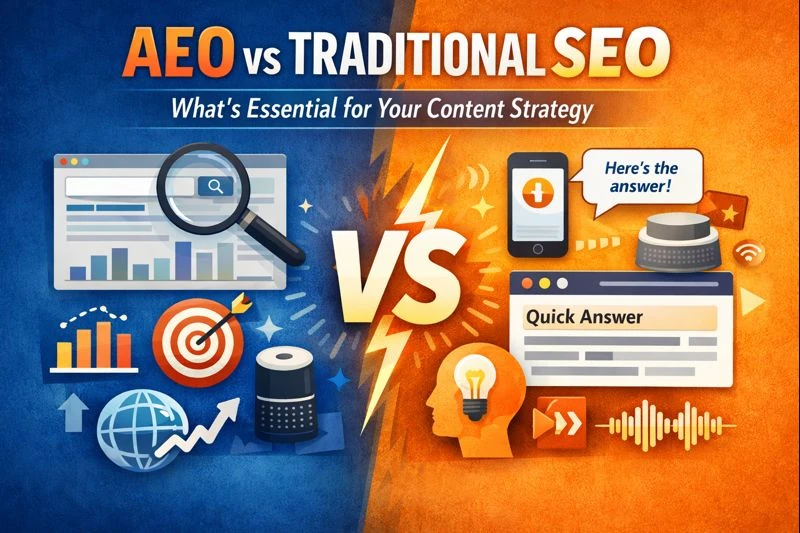
Also emerging is Answer Engine Optimization (AEO) or Generative Engine Optimization (GEO), which focuses on how content is surfaced in AI-powered search or answer systems rather than only in traditional search engine result pages.
Voice Search & Conversational Interfaces
Voice assistants like Alexa, Siri, Google Assistant (and their successors) are getting smarter and more integrated into daily life. More people are using voice to ask questions, search for nearby services, or even shop. For marketers, this means optimizing content not just for keywords people type, but queries people speak - natural, conversational, question-based.
Key takeaways for adapting:
- Use long-tail conversational keywords (“How do I…”, “Where is…”, “best way to …”)
- Structure content in Q&A formats (e.g. FAQs)
- Make sure your local SEO is strong (because many voice searches are location-based, like “near me”)
- Speed, mobile optimization, and load times matter more than ever since users expect instant responses
Short-Form Video & Interactive Visuals
If you haven’t invested much in short-form video yet, 2025 might be the year you do. Platforms like TikTok, Instagram Reels, YouTube Shorts are dominating in terms of engagement. Users love digestible, engaging clips. Live video, interactive polls, UGC (user generated content) challenges - these formats create authenticity and connection.
Interactive content is also growing: quizzes, polls, interactive video or stories, shoppable videos, etc. These don’t just entertain - they capture attention, increase dwell time, and often lead to higher conversion rates. If your digital marketing plan doesn’t have a visual and interactive component, you risk being left behind.
Hyper-Personalization & Customer Journeys
As data tools and AI get more powerful, the ability to deliver hyper-personalized experiences across multiple touchpoints becomes not just an advantage, but expectation. Think beyond “Dear [Name] in email” — think dynamic websites, personalized product recommendations, predictive content suggestions.
Also, mapping customer journeys in real detail helps. Understand the very first touchpoint, the friction points, moments where customers drop off, and use that knowledge to optimize. Automation helps here — for example, using chatbots or conversational marketing tools to engage users in real time.
Social Commerce & Integrated Shopping
Social platforms are no longer just for discovery; they’re quickly becoming shopping hubs. Instagram shops, TikTok shopping, live shopping events - these are all ways users can directly purchase from social content. Brands that integrate e-commerce seamlessly into social media content are seeing good returns.
But it’s not just about enabling purchase; it's about making the path to buy as frictionless as possible. Tagging products in posts, offering in-app checkout, using AR/VR try-ons (where relevant), enabling user reviews, etc., all add to trust and ease.
Ethical, Transparent & Value-Driven Marketing
Another trend that’s gaining traction is consumers’ increasing demand for authenticity, ethical behaviour, and transparency. Whether it’s data privacy, sustainable practices, inclusive and responsible advertising - brands are being held accountable. Green marketing, ethical sourcing, reducing carbon footprints, honest dialogue are no longer optional.
Transparency in data collection, ad targeting, and algorithmic fairness are especially relevant. Customers appreciate knowing how and why their data is used. Missteps here can harm reputation significantly.
The Role of SEO, Agencies & Specialist Partners
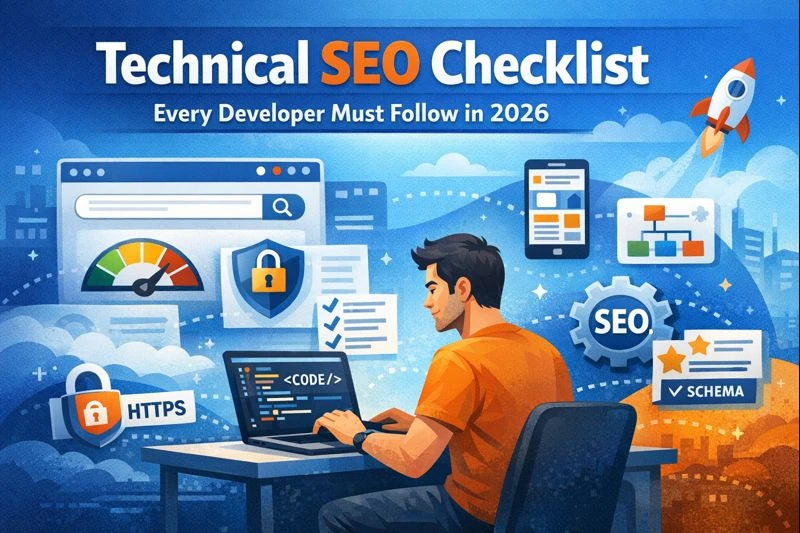
Even with all the new tech, search engine optimization (SEO) remains central - but its scope is expanding. It now includes optimizing for voice search, for AI-answer engines, for mobile experience, for user intent over just keywords. Structuring content properly, using schema/structured data, ensuring site speed and UX are all crucial.
For many brands, it makes sense to work with expert partners. Whether you hire an SEO Company or a social media marketing agency, those with specialized skills and updated knowledge can help you stay ahead, avoid common mistakes, and scale more efficiently. Good agencies bring tools, data insights, and experience that many in-house teams or solo creators may not yet have.
Measuring ROI & Adapting Quickly
Because trends shift quickly, what worked at the beginning of 2025 might not work later. So it's essential to measure everything: engagement metrics, conversion rates, customer lifetime value, retention. And then be ready to pivot.
Small experiments are key. Try new formats (e.g. short videos, voice content, interactive posts) in low risk, test variations (A/B), see what your audience responds to, then scale what works.
Also stay updated with algorithm updates (from Google, social platforms) and privacy/regulatory changes.
Conclusion
Digital marketing in 2025 is less about pushing content and more about connecting — with relevance, authenticity, speed, and emotion. The winners will be those who combine new technologies (AI, voice, visual tools) with deep understanding of their audience, ethical behaviour, and agility.
If you’re planning your 2025 strategy, make sure you:
- Embed AI smartly, not just for automation but for personalization
- Optimize for the ways people speak and search
- Embrace video and interactive content formats
- Partner with specialists where needed (like an SEO Company or a good social media marketing agency)
- Measure and adapt continuously
These shifts aren’t just trends. They’re becoming the new baseline. Adapt now, and you’ll be ahead. If you like, I can give you a content calendar or checklist based on these trends to help you plan.
















Sign in to leave a comment.