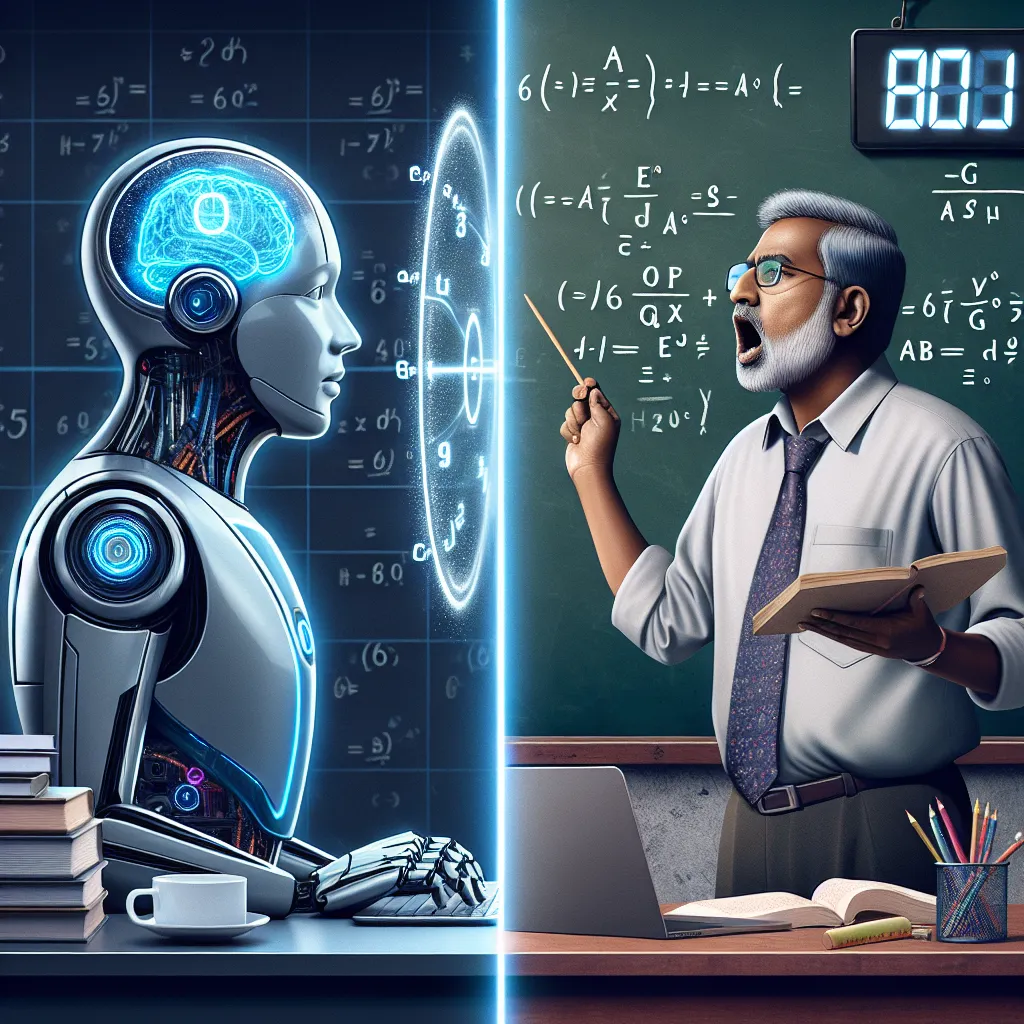

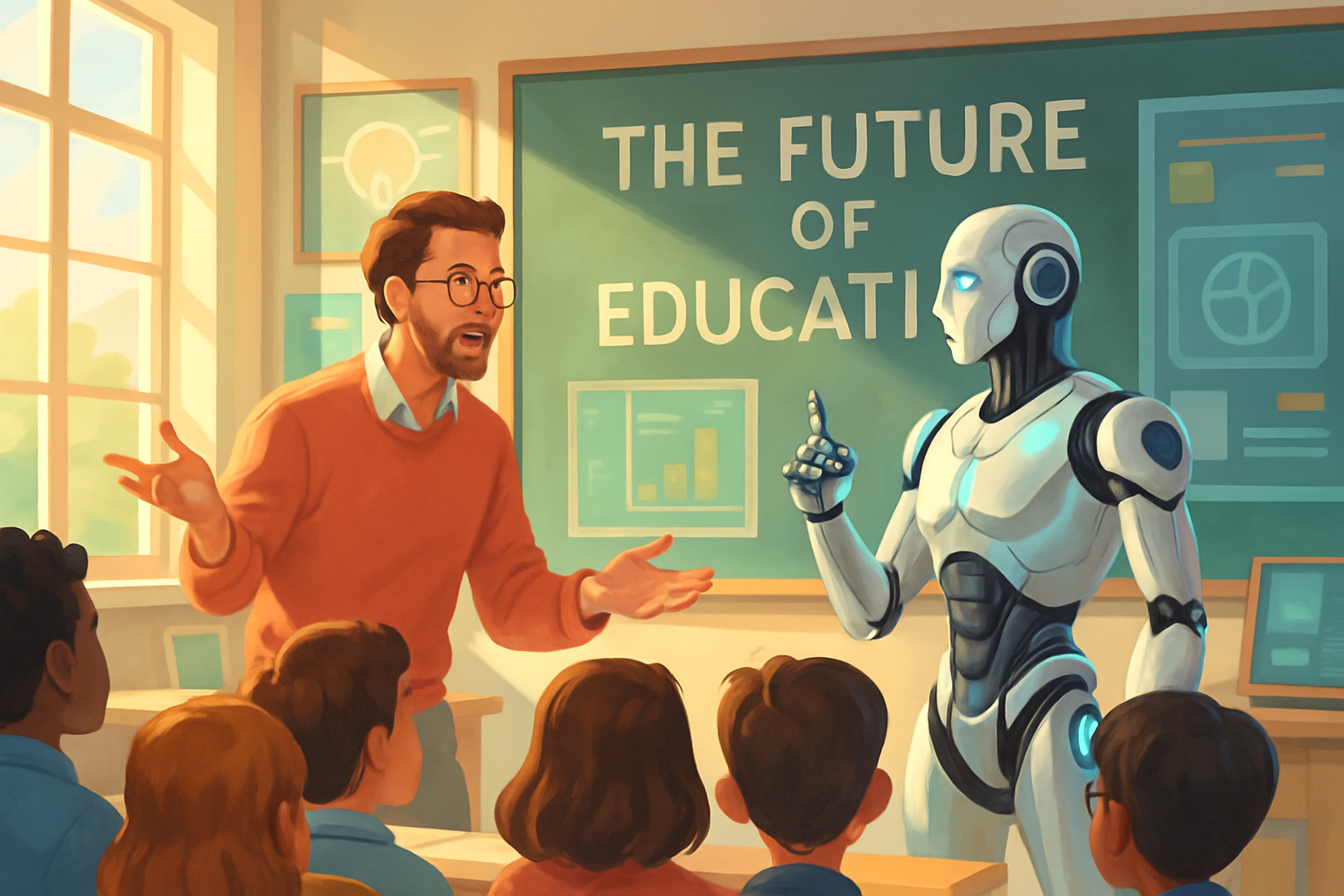
In many classrooms, a student's struggles go unnoticed until they show up clearly in a report card or a failed test — often after weeks or months of accumulated difficulty. By the time this becomes visible through traditional assessment methods, the student may already be significantly behind. AI-powered analytics tools are changing this timeline by identifying warning signs much earlier, giving teachers the opportunity to intervene before a temporary struggle turns into a persistent learning gap.
The Limitations of Traditional Progress Tracking
Traditional methods of identifying struggling students typically rely on periodic assessments — quizzes, tests, and report cards issued at set intervals throughout the academic term. While useful, this approach has an inherent lag. A student might struggle with a concept for weeks before that struggle is formally reflected in a grade. Additionally, traditional tracking often captures only the outcome of learning, such as a test score, without revealing the underlying pattern of difficulty that led to it. This makes early, targeted intervention difficult under conventional systems.
How AI Identifies Early Warning Signs
AI-based tracking systems continuously monitor a range of data points as students engage with digital learning platforms — response times, error patterns, frequency of correct versus incorrect attempts, and engagement levels during lessons. Rather than waiting for a formal assessment, these systems can detect subtle shifts, such as a student consistently struggling with a particular type of problem or showing a gradual decline in engagement over several sessions. This kind of pattern recognition, applied consistently across large volumes of data, is difficult to replicate manually, especially in classrooms with high student-to-teacher ratios.
Beyond Academic Performance: Behavioral and Engagement Signals
Struggles aren't always purely academic. A student's engagement levels — how often they participate in digital exercises, how quickly they disengage from a task, or how their activity patterns change over time — can also signal underlying difficulties, whether academic or otherwise. AI systems that track these behavioral indicators alongside academic performance provide a more complete picture, helping teachers distinguish between a student who is simply having an off day and one who is showing a more consistent pattern that warrants attention.
Turning Data Into Actionable Insights for Teachers
The value of this early identification depends entirely on how the information is used. Raw data alone doesn't help a struggling student — it needs to be translated into clear, actionable insights that a teacher can act on. Well-designed AI systems present this information through simplified dashboards, flagging specific students and specific areas of difficulty, rather than overwhelming teachers with raw statistics. This allows a teacher to quickly understand where to focus attention, whether that means revisiting a concept with the whole class or providing one-on-one support to a specific student.
The Importance of Timely Human Intervention
Identifying a struggling student early is only the first step — what happens next matters just as much. AI systems can flag a pattern, but it takes a teacher's judgment to understand the context behind it and determine the appropriate response. A dip in performance might stem from a genuine gap in understanding, a temporary personal circumstance, or simply a need for a different explanation of the same concept. This is why early identification through AI works best when paired closely with teacher follow-up, rather than being treated as a fully automated process.
Supporting Students Without Over-Labeling
One important consideration in using AI for early identification is avoiding the risk of over-labeling students based on short-term data patterns. A single difficult week shouldn't result in a student being permanently categorized as "struggling." Thoughtful implementation involves looking at sustained patterns over time, rather than reacting to isolated data points, and ensuring that any intervention is framed constructively rather than as a fixed judgment of a student's ability.
What This Means for Parents Choosing a School
For parents evaluating how well a school supports individual student needs, it's worth understanding whether the institution uses tools like this to catch difficulties early, and how teachers respond once a concern is flagged. When researching the Best School in Faridabad, it helps to ask how the school identifies students who may be falling behind and what support systems are in place once a concern is identified.
The structure of the academic program also influences how effectively early intervention can be implemented. A Best CBSE School in Faridabad that follows a clearly sequenced curriculum tends to make it easier to pinpoint exactly where a student's understanding has broken down, since concepts build on one another in a predictable order.
Communication between school and home is also essential when addressing a student's difficulties. A Best English Medium School in Faridabad that maintains strong English communication practices can help ensure that concerns identified through these systems are explained clearly to parents, allowing for coordinated support both at school and at home.
A More Responsive Approach to Learning Support
AI's ability to identify struggling students early represents a meaningful shift from reactive to proactive educational support. Rather than waiting for a poor test score to reveal a problem, schools can now address difficulties as they emerge, often before a student's confidence or motivation is significantly affected. Used thoughtfully, alongside consistent teacher involvement, this approach has the potential to make classroom support more timely, more personalized, and ultimately more effective for students who might otherwise fall through the cracks.




























Sign in to leave a comment.