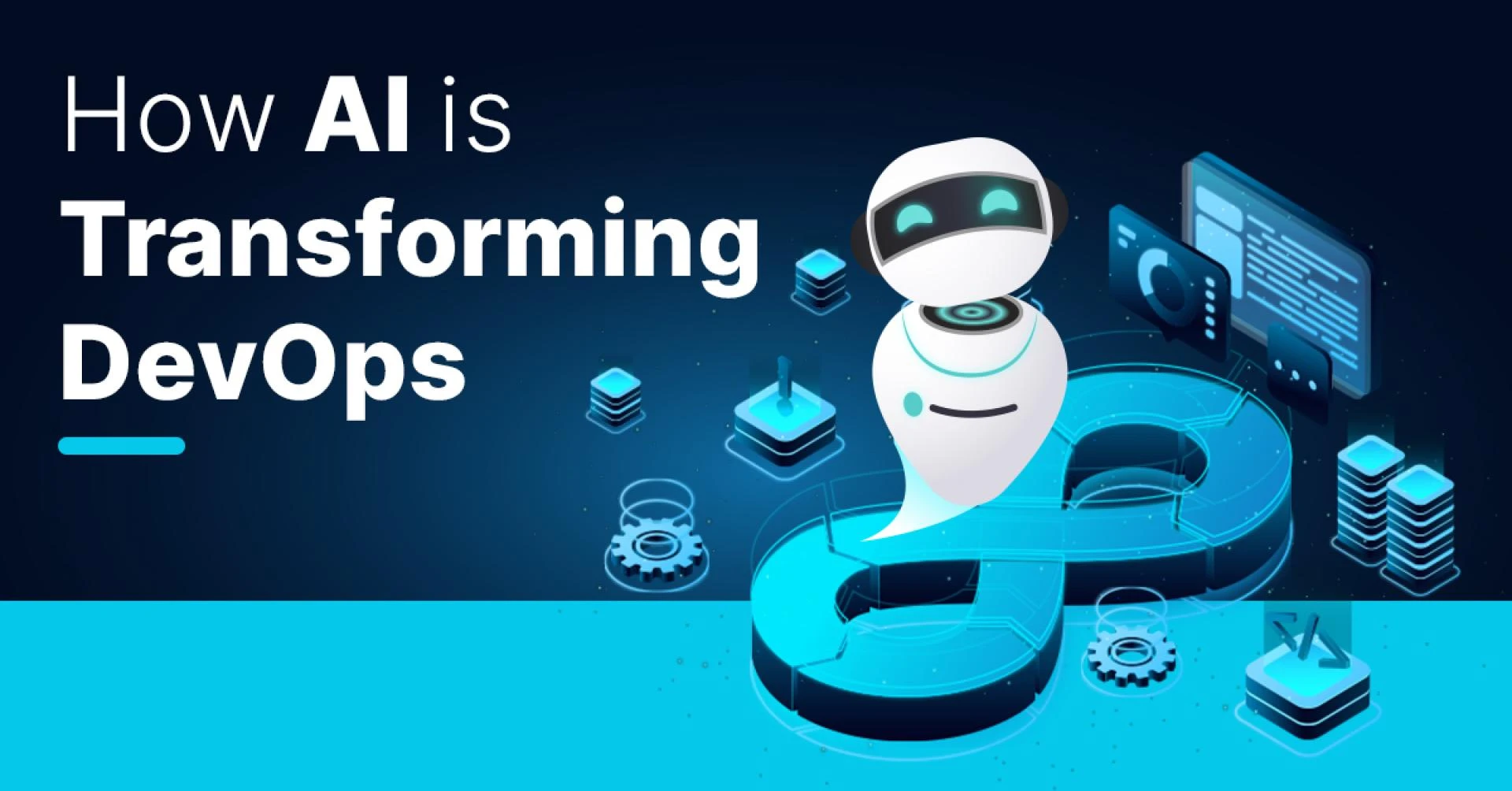

Artificial Intelligence (AI) is transforming the IT industry by automating complex tasks and enhancing decision-making. Its ability to process vast amounts of data and identify patterns has unlocked new possibilities across various domains, including software development and operations.
DevOps, a methodology that bridges development and IT operations, thrives on speed, collaboration, and efficiency. However, as systems grow more complex, traditional DevOps practices face challenges like managing scalability, minimizing downtime, and ensuring consistent deployment quality. This is where AI steps in.
By integrating AI into DevOps, organizations can achieve smarter automation, proactive issue detection, and improved resource management. AI-driven insights enhance every stage of the DevOps lifecycle, from code creation to deployment. This synergy not only accelerates processes but also improves software quality, making AI a game-changer for modern DevOps practices.
The Evolution of DevOps
DevOps emerged as a solution to bridge the gap between software development and IT operations. It introduced practices that emphasized collaboration, continuous integration, and faster deployment cycles. Traditional DevOps methodologies relied heavily on manual processes and predefined workflows. While effective initially, they struggled to keep up with the growing complexity of modern IT systems.
One major limitation of traditional DevOps is the dependency on human intervention for repetitive tasks, such as code testing, deployment, and system monitoring. This approach not only increases the risk of errors but also slows down processes. Moreover, as applications scale, maintaining efficiency across diverse teams and tools becomes a challenge.
In today’s fast-paced digital landscape, businesses demand faster time-to-market and higher reliability. These expectations have highlighted the need for advanced automation and optimization. AI-driven solutions address these challenges by automating tedious tasks, analyzing large datasets in real-time, and predicting potential system issues before they escalate. This allows DevOps teams to focus on strategic improvements, enhancing both productivity and performance.
As DevOps evolves, the integration of AI is no longer optional but essential. It enables organizations to adapt to modern development environments, where speed, scalability, and precision are key.
Integration of AI into DevOps
The integration of Artificial Intelligence into DevOps, known as AIOps, represents a powerful convergence. AIOps uses AI and machine learning to enhance the efficiency, accuracy, and scalability of DevOps practices. By automating repetitive tasks and offering data-driven insights, AIOps helps teams work smarter, not harder.
Key Areas Where AI Enhances DevOps Practices
Automated Code Generation and Review
AI streamlines coding by suggesting code snippets and identifying errors in real-time. Automated code reviews reduce human oversight requirements and improve code quality, speeding up development cycles.
Intelligent Testing and Quality Assurance
Traditional testing often involves manual processes prone to delays and errors. AI-driven tools optimize testing by predicting potential failures and running automated test cases. This ensures faster releases with higher reliability.
Predictive Analytics for System Monitoring and Maintenance
AI continuously monitors systems, detecting anomalies before they lead to outages. Predictive analytics help teams address issues proactively, minimizing downtime and ensuring uninterrupted operations.
Resource Management and Infrastructure Optimization
AI analyzes resource usage patterns and suggests ways to optimize infrastructure. It helps allocate resources efficiently, reduces waste, and enhances performance in dynamic environments.
By integrating AI into DevOps, organizations can achieve greater automation, agility, and accuracy. AIOps transforms DevOps practices into proactive, predictive, and highly efficient workflows, paving the way for innovation and scalability.
Practical Use Cases of AI in DevOps
The integration of AI in DevOps has transformed workflows by automating tasks, reducing errors, and improving efficiency. Let’s explore some practical use cases where AI has significantly enhanced DevOps processes.
1. Automated Testing and Deployment Pipelines
AI streamlines the testing and deployment stages by automating repetitive tasks. It predicts potential issues during the development phase and ensures smooth deployments through intelligent pipelines. AI-driven tools can also prioritize test cases based on risk, enabling faster and more reliable software releases.
2. Anomaly Detection and Incident Management
AI monitors systems in real-time to identify unusual patterns or anomalies that could signal potential issues. By analyzing historical data, it predicts and prevents incidents before they impact operations. When incidents occur, AI tools offer actionable insights to quickly resolve them, reducing downtime and maintaining service quality.
3. Performance Optimization Through Predictive Scaling
AI helps optimize system performance by predicting resource demands based on historical and real-time data. It enables dynamic scaling of resources to handle varying workloads efficiently. This approach minimizes over-provisioning, reduces costs, and ensures optimal performance during peak usage periods.
4. Case Studies Highlighting Successful AI Integration
Organizations across industries have leveraged AI to revolutionize their DevOps practices. For instance, a leading e-commerce platform integrated AI for real-time system monitoring and automated incident management. This resulted in a 30% reduction in downtime and a significant boost in customer satisfaction. Another case involved a fintech company using AI-driven testing tools to cut testing time by half, accelerating their product releases without compromising quality.
By incorporating AI into DevOps, businesses can achieve enhanced automation, proactive problem-solving, and improved scalability. These practical use cases demonstrate how AI not only simplifies complex tasks but also drives innovation and efficiency in DevOps workflows.
Benefits of AI Integration in DevOps
Integrating Artificial Intelligence into DevOps offers transformative benefits that elevate productivity and streamline processes. By automating repetitive tasks and providing data-driven insights, AI enables teams to focus on strategic objectives.
1. Enhanced Efficiency and Reduced Manual Intervention
AI automates time-consuming tasks such as code reviews, testing, and deployment. This minimizes human errors and ensures faster execution of processes. Teams can allocate their time to innovation and problem-solving, boosting overall productivity.
2. Improved Collaboration Between Development and Operations Teams
AI-driven tools foster better communication and coordination between development and operations teams. Real-time insights and shared dashboards keep all stakeholders aligned, reducing bottlenecks and misunderstandings. This leads to smoother workflows and a unified approach to achieving goals.
3. Accelerated Release Cycles and Higher Software Quality
With AI, DevOps teams can quickly identify and address code issues, ensuring faster release cycles. Automated testing and deployment pipelines maintain consistent quality while reducing time-to-market. The result is robust software delivered with greater speed and reliability.
4. Proactive Issue Resolution and Reduced Downtime
AI continuously monitors systems and predicts potential issues before they escalate. Early detection and proactive resolution minimize downtime and ensure uninterrupted services. This improves user experience and reduces operational disruptions.
The integration of AI into DevOps transforms traditional workflows into agile, intelligent systems. It empowers organizations to achieve greater efficiency, faster releases, and higher-quality software, all while reducing risks and enhancing collaboration.
Conclusion
AI has revolutionized DevOps by introducing automation, intelligence, and efficiency into every stage of the software development lifecycle. From automating repetitive tasks to enabling proactive issue resolution, AI empowers DevOps teams to deliver high-quality software faster and more reliably. The integration of AI ensures streamlined workflows, reduced downtime, and optimized resource utilization, making it an indispensable tool in modern development environments.
In today’s competitive landscape, businesses must continuously innovate to stay ahead. Embracing AI in DevOps is no longer a luxury—it’s a necessity. Organizations that leverage AI-powered tools and practices gain a significant edge by improving collaboration, accelerating release cycles, and delivering exceptional user experiences.
To maximize the benefits of AI integration, it’s essential to have expert guidance. Partnering with professionals who specialize in DevOps Consulting Services can help organizations seamlessly adopt AI-driven practices tailored to their needs.
By embracing the synergy of AI and DevOps, businesses can stay agile, scalable, and prepared for the demands of the future. The time to act is now, as those who adopt AI will shape the next generation of software development and operations.








Sign in to leave a comment.