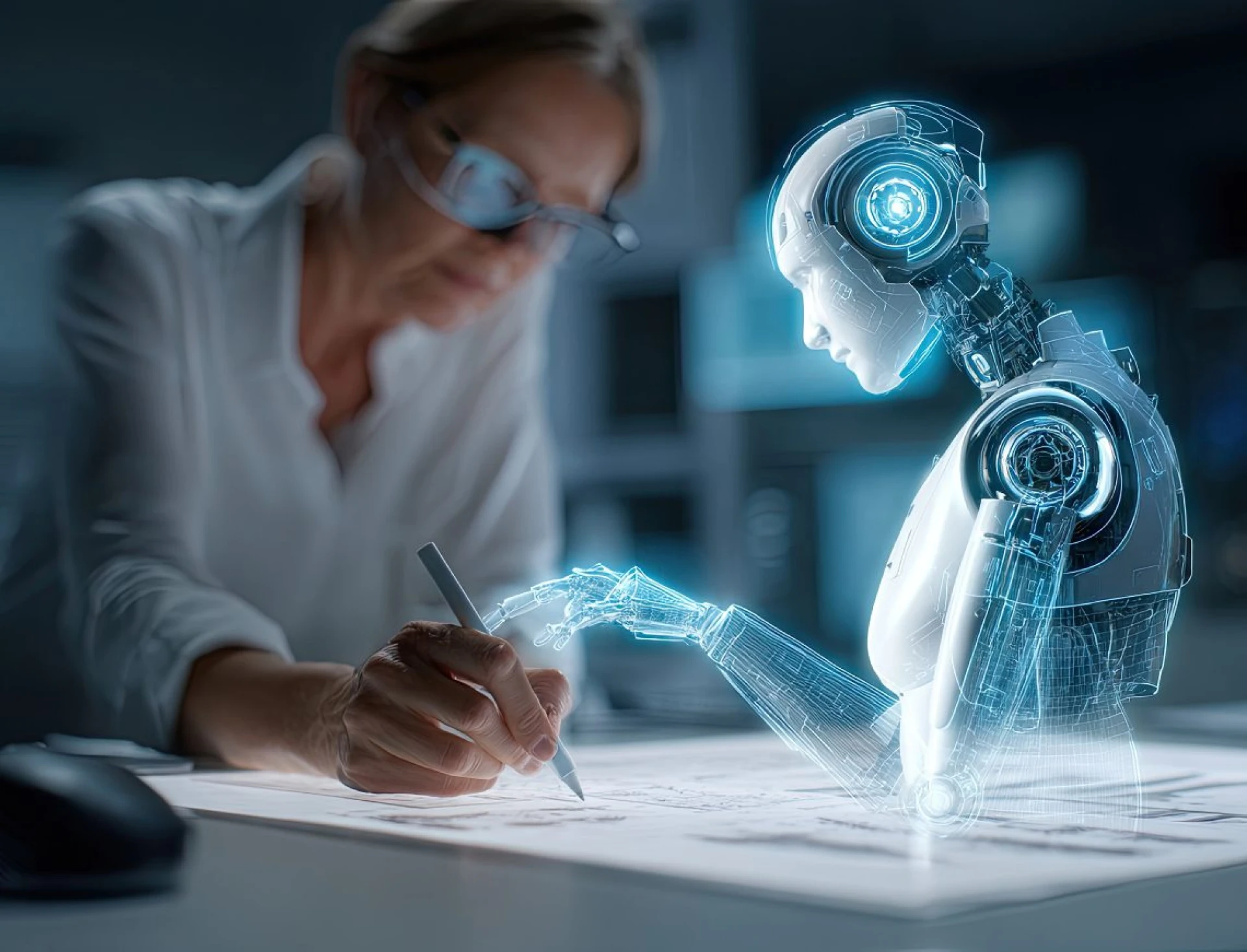
Artificial Intelligence (AI) is no longer science fiction; it’s revolutionizing healthcare. From analyzing patient data and predicting disease risks to assisting in surgeries, AI helps doctors make better decisions while improving diagnosis, treatment, and patient outcomes.
Medical AI uses technologies like machine learning, deep learning, and natural language processing to turn massive amounts of data EHRs, lab results, medical imaging, and wearable device data into actionable insights. Algorithms can detect patterns humans might miss, predict illness before symptoms appear, and assist in personalized treatment plans.
In medical imaging, AI detects cancers and other conditions faster and more accurately than traditional methods. Predictive analytics and wearable data help forecast health issues, shifting care from reactive to preventive. NLP transforms unstructured medical records into usable information, reducing administrative work and improving clinical accuracy. AI-powered surgical robots enhance precision, while AI in drug discovery accelerates breakthroughs like protein folding predictions.
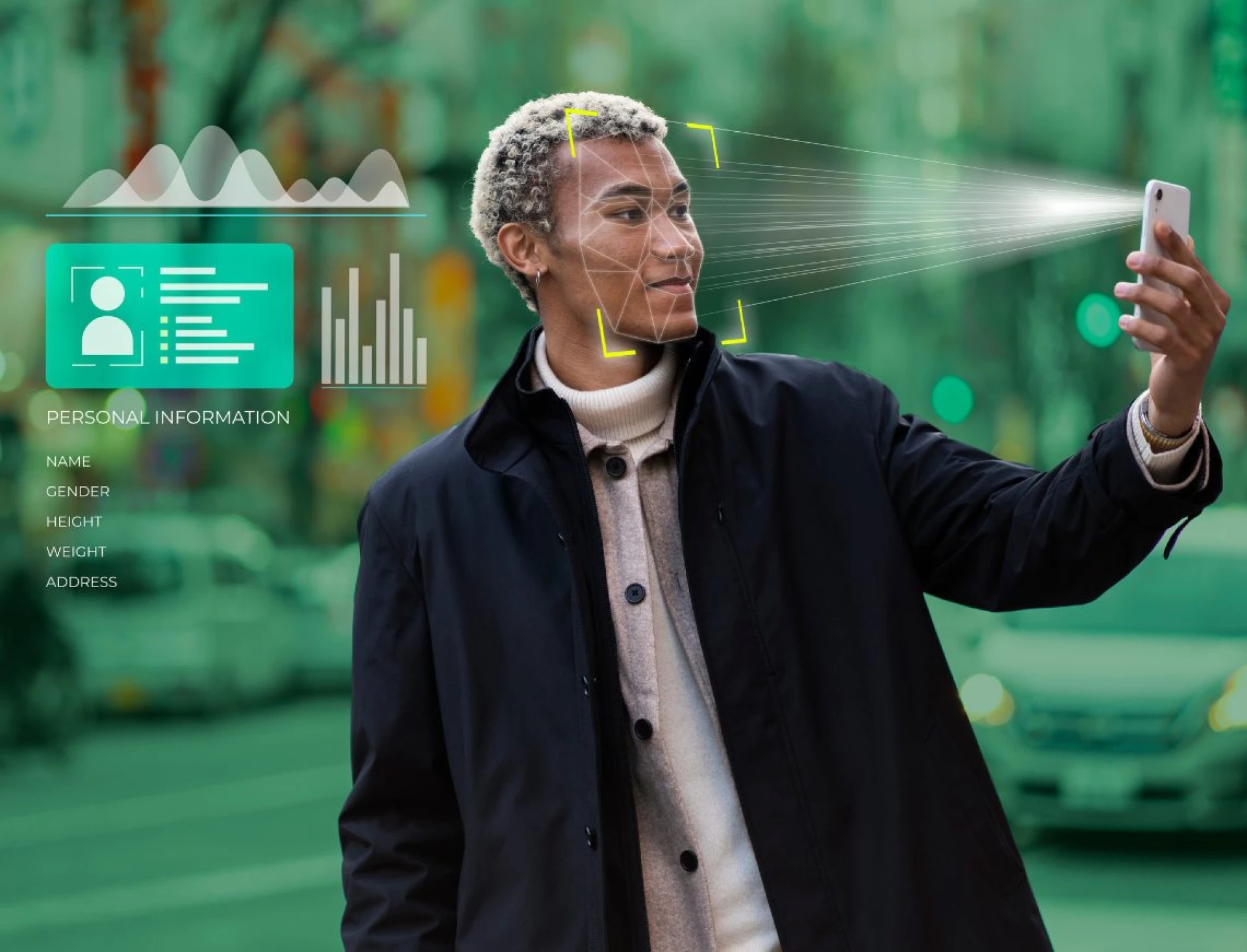
Despite its benefits, AI raises challenges: patient data privacy, algorithmic bias, and explainability. Addressing these ensures safe, equitable, and effective implementation.
The future of healthcare is human + machine collaboration. AI enhances doctors’ capabilities, freeing them to focus on empathy and patient care. By combining human experience with computational power, AI is shaping a smarter, faster, and more accessible healthcare system—turning data into better health for all.




























Sign in to leave a comment.