
Introduction
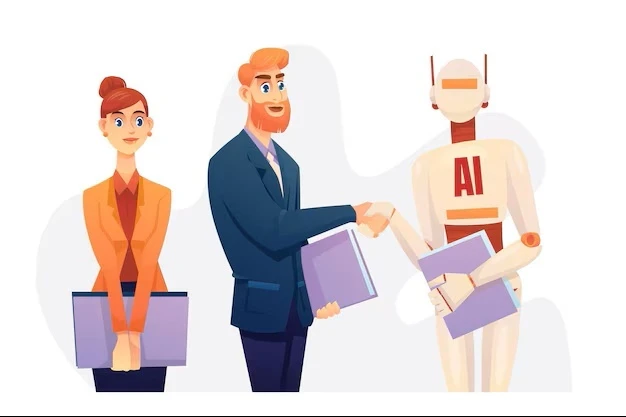
The modern hiring landscape is evolving faster than ever. Organizations that once relied on manual screening, spreadsheets, and gut instinct are now turning to AI recruitment solutions to gain a competitive edge. When these intelligent systems are integrated with workforce analytics software, the result is a powerful, real-time engine that drives smarter hiring decisions, reduces costs, and builds stronger teams.
What Are AI Recruitment Solutions?
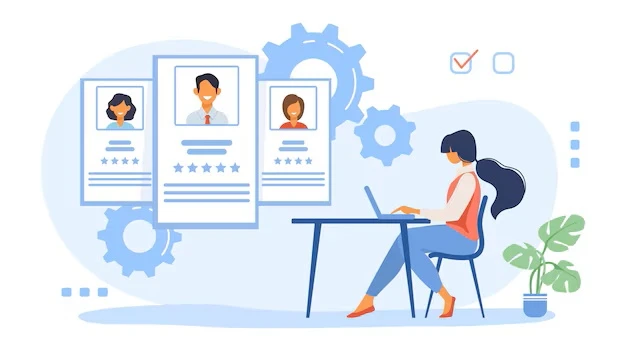
AI recruitment solutions are technology platforms that automate and enhance the talent acquisition process. Using machine learning, natural language processing (NLP), and predictive analytics, these tools help recruiters source candidates, screen resumes, schedule interviews, and even forecast cultural fit, all at a scale impossible for humans alone.
Leading platforms now embed AI at every stage of the hiring funnel, from job description optimization to candidate ranking, drastically reducing time-to-hire while improving quality of hire.
The Role of Workforce Analytics Software
Workforce analytics software transforms raw HR data into actionable intelligence. It tracks employee performance, retention rates, hiring trends, skill gaps, and workforce productivity in one centralized dashboard. But its true power is unlocked when connected to real-time AI recruitment data.
When your recruitment pipeline feeds live data into workforce analytics, HR leaders can:
- Identify which hiring sources produce the best long-term employees
- Predict future talent shortages before they occur
- Measure diversity and inclusion metrics across recruitment stages
- Align headcount planning with business growth projections
How AI Recruitment Solutions Power Workforce Analytics in Real Time
The integration between AI recruitment solutions and workforce analytics software creates a continuous feedback loop. Here's how it works in practice:
1. Real-Time Candidate Pipeline Visibility AI tools instantly update candidate status, drop-off points, and conversion rates. Workforce analytics dashboards reflect these changes live, giving hiring managers full pipeline transparency at any moment.
2. Predictive Hiring Analytics AI models analyze historical hiring data to predict which candidates are most likely to succeed, stay longer, and contribute to team productivity. These predictions feed directly into workforce analytics reports, making future planning more accurate.
3. Skills Gap Analysis As AI recruitment tools evaluate incoming candidates, they map identified skills against existing workforce data. This helps organizations spot critical skill shortages in real time and adjust their sourcing strategy accordingly.
4. Bias Reduction and Compliance Tracking AI-powered screening applies consistent, data-driven criteria to every candidate. Workforce analytics software then monitors these patterns over time, ensuring equitable hiring practices and regulatory compliance.
5. Cost-Per-Hire Optimization Real-time data from AI recruitment tools, time-to-fill, source effectiveness, offer acceptance rates, flows directly into workforce analytics, enabling finance and HR teams to calculate and reduce cost-per-hire continuously.
Why Businesses Need This Integration Now
Companies that delay adopting AI recruitment solutions linked to workforce analytics software risk falling behind competitors who are already making faster, smarter talent decisions. According to industry trends, organizations using AI-driven recruitment report up to 40% reduction in time-to-hire and significantly higher employee retention rates in the first year.
The synergy between these two technologies is no longer a luxury, it is a strategic necessity for any organization serious about workforce planning and talent intelligence.
Conclusion
The integration of AI recruitment solutions with workforce analytics software represents the future of human resources management. By enabling real-time data exchange, predictive hiring intelligence, and continuous workforce visibility, this powerful combination empowers HR leaders to make evidence-based decisions with confidence. Organizations that embrace this technology today will not only hire better talent faster — they will build more resilient, data-driven workforces prepared for tomorrow's challenges. Investing in these tools is not just a technological upgrade; it is a strategic commitment to long-term organizational success.




























Sign in to leave a comment.