
Picture this: It's 2 a.m. A 74-year-old man named Gerald is asleep in his own bedroom. His heart rate climbs a little higher than usual. His breathing slows. No one is in the room, but a small wearable on his wrist catches both changes. Within seconds, his home health nurse receives an alert on her phone.
That is not science fiction. That is what skilled nursing care at home looks like in 2026.
This shift changes everything for families watching a parent or loved one recover from surgery, manage a chronic illness, or simply get older. Care is no longer something that only happens during a nurse's visit. It now happens in between visits, too, continuously, and before a problem even shows up.
What is Skilled Nursing Care at Home & Who Qualifies?
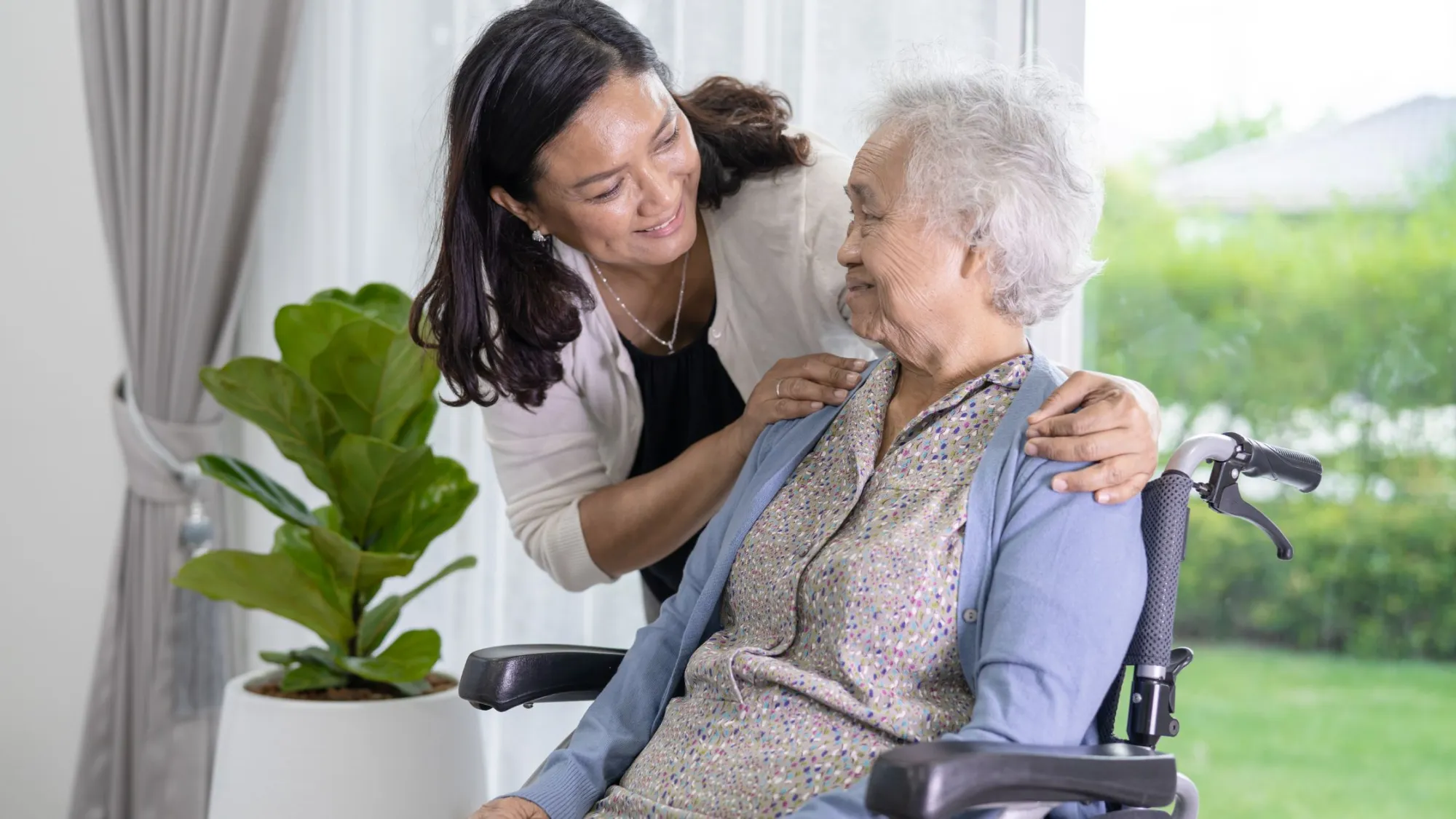
Skilled nursing care at home is medical care provided by a licensed nurse or therapist inside a patient's own home. It is not the same as having a home aide help with bathing or meals. Skilled care involves wound treatment, IV medication, disease management, and physical therapy; all under a doctor's written order.
To qualify, a patient must be under a physician's care and have difficulty leaving home without significant effort. Most patients recovering from a hospital stay, managing conditions like heart failure or diabetes, or healing from surgery, meet these criteria.
Skilled Nursing Care vs. Home Aide: What's the Difference?
| Service | Skilled Nursing Care at Home | Home Aide |
| Who provides it | Licensed RN or therapist | Trained caregiver |
| What they do | Medical treatment, therapy & disease education | Bathing, dressing, meal prep |
| Requires a doctor's order | Yes | No |
| Covered by Medicare | Yes, when the criteria are met | Limited |
The Old Model vs. The New: How Technology Changed Everything?
Here is how technology has opened new doors for medical aids;
The Traditional Gap in Home Care
Nurses visited a patient two or three times a week before remote monitoring existed. Whatever happened on the other days? No one knew until the next visit. That gap created real risk, missed warning signs, delayed responses, and more trips back to the hospital.
The Shift to Continuous, Data-Driven Care
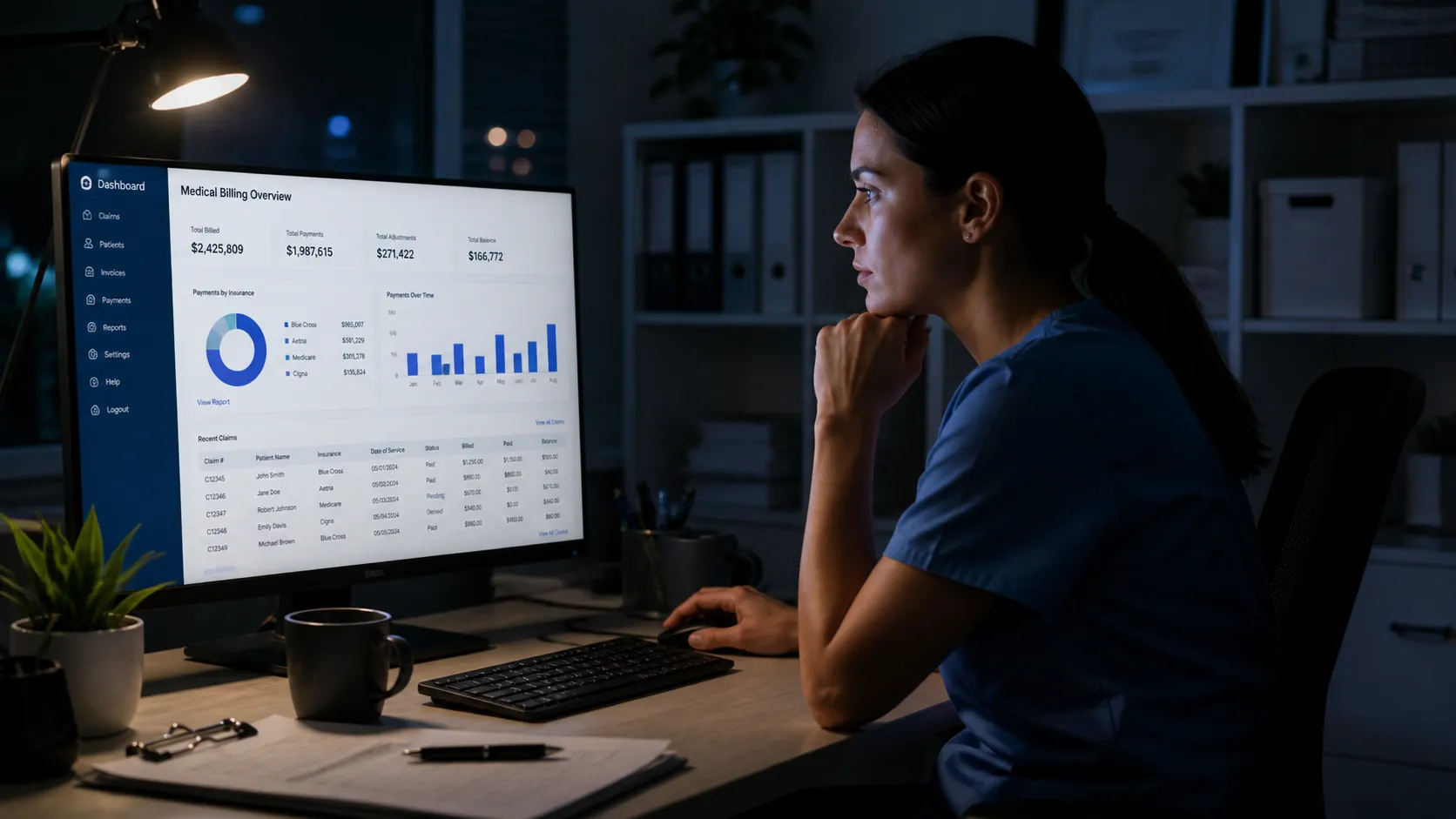
Today, that gap is closing fast. AI tools can now identify high-risk patients with 90% accuracy. This helps care teams provide targeted support before a crisis happens. Wearable devices track heart rate, oxygen levels, temperature, and movement around the clock. Smart pill dispensers log whether medication was taken. AI systems process all that data and flag changes that a human eye might miss during a routine visit. The nurse still comes. But now she comes informed.
5 Ways AI is Making Skilled Nursing Care at Home Safer
- Early warning alerts. AI tools monitor vital signs continuously and send alerts when readings drift outside a safe range, catching problems hours or even days earlier than a scheduled visit would.
- Smarter medication management. Automated dispensers paired with AI reminders cut down medication errors, which remain one of the most common causes of hospital readmission among seniors.
- Remote wound monitoring. Nurses review wound photos between visits using secure apps. They can spot infection early without the patient ever leaving the house.
- Fall detection and prevention. Motion sensors detect falls the moment they happen. More importantly, gait-tracking tools identify before a fall that someone's balance or walking pattern has changed.
- Personalised care plans. Machine learning studies a patient's recovery patterns and helps therapists fine-tune physical therapy at home goals so no two patients follow the same cookie-cutter plan.
Remote Monitoring + Physical Therapy at Home: A Powerful Combination
Physical therapy for seniors at home has come a long way from printed exercise sheets left on the kitchen table. Motion-sensing wearables now track how well a patient completes exercises, how far they can move a joint, and whether their balance is improving between sessions.
If a senior is recovering from a knee replacement, their physical therapist can review that movement data remotely and adjust the next session before even walking through the door. Telehealth check-ins fill the gaps between in-person visits. Progress does not pause just because the therapist is not in the room.
What Medicare Covers for AI-Enhanced Skilled Nursing at Home?
One of the most common questions families ask is whether any of this is affordable. The short answer: for many patients, yes.
Medicare skilled nursing at-home services are typically covered in full when a patient meets eligibility requirements. That means no out-of-pocket cost for the nursing and therapy visits themselves.
Medicare Skilled Nursing at Home: Quick Coverage Reference
| What's Covered | Key Requirement | Patient Cost |
| Skilled nursing visits | Physician's order + homebound status | $0 for visits |
| Physical therapy at home | Ordered as part of the care plan | $0 for visits |
| Occupational & speech therapy | Same criteria as PT | $0 for visits |
| Remote monitoring devices | Varies by plan and device type | May vary |
In 2026, Medicare will have made it easier for seniors with chronic conditions to get in-home care. This change allows more people to access help before their health becomes critical.
What to Look for in a Skilled Home Health Provider in 2026?
Not every home health agency uses the same tools or the same level of care coordination. Families should ask three direct questions before choosing one:
- Do they use remote monitoring between nurse visits?
- How do they communicate updates to the doctor?
- What steps do they take to avoid hospital readmissions?
Providers like Home Heal Healthcare in the Chicago area ensure good communication between doctors and families during each patient's care. This way, patients and their families always know what to expect next.
In Closing
Gerald went back to his morning walks six weeks after his care team caught that early warning signal at 2 a.m. He did not end up in the ER or spend weeks in a rehab facility. He recovered at home, in his own bed, with his family nearby.
That outcome did not happen by accident. It happened because skilled nursing care at home has become one of the most advanced, data-supported forms of medical care available today.
If you or someone you love is recovering from surgery, managing a chronic condition, or simply needs medical support at home, find out whether you qualify. The care available today looks nothing like it did five years ago, and that is a very good thing.
FAQs
Q1. What conditions qualify for skilled nursing care at home?
A doctor can order home-based skilled nursing for wound care, post-surgical recovery, heart failure management, diabetes monitoring, and more. The main requirement is that the patient is homebound and the care is medically necessary.
Q2. Does Medicare cover remote monitoring devices for home health?
Medicare covers the skilled nursing and therapy visits associated with home health. Coverage for specific remote monitoring devices depends on the plan type and device. A home health agency can verify benefits before care begins.
Q3. How is physical therapy at home different from a clinic?
The clinical goals are the same: restoring strength, balance, and independence. At home, therapy is built around the patient's actual living space, which often makes it more practical.
Q4. Is AI-monitored home care safe for elderly patients?
Yes, and it is worth being clear about what AI actually does here. It monitors and alerts. Nurses and physicians still make every clinical decision. The technology is a safety net, not a replacement for human judgment.









Sign in to leave a comment.