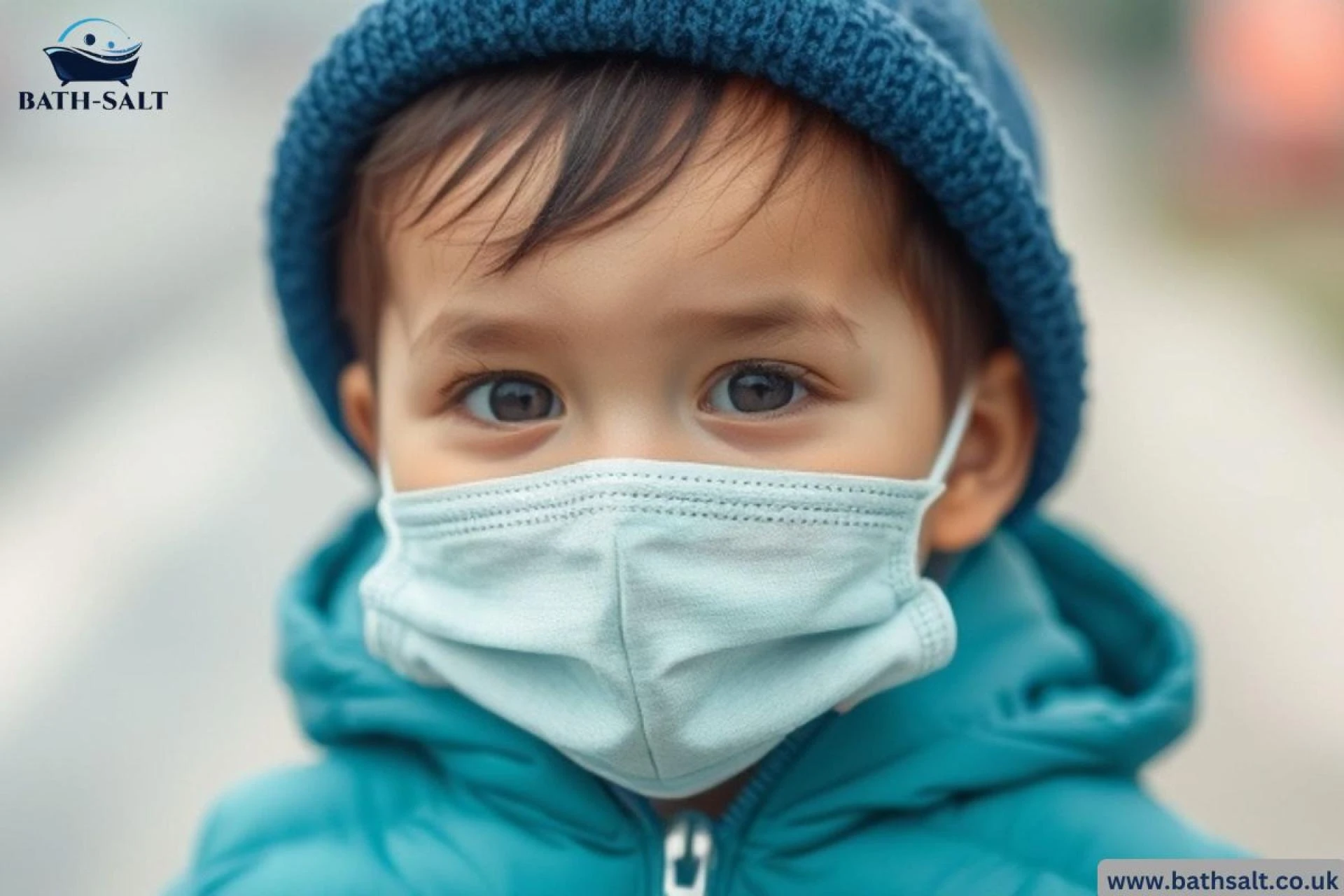

The delicate skin of toddlers is like a fragile shield, soft and highly sensitive. Unlike adults, a child’s skin barrier is still developing, making it more susceptible to environmental aggressors. Among these aggressors, air pollution stands out as a silent but significant threat. While we often discuss the respiratory effects of polluted air, its impact on the skin, especially for toddlers, deserves equal attention.
In this article, we’ll explore how air pollution affects your toddler’s skin, the potential consequences, and practical ways to protect it.
Understanding Air Pollution and Its Components
Air pollution consists of harmful substances, including particulate matter (PM), ozone, nitrogen dioxide, and polycyclic aromatic hydrocarbons (PAHs). These pollutants originate from various sources like vehicle emissions, industrial activities, and even indoor pollutants such as cigarette smoke or cooking fumes.
When toddlers are exposed to polluted environments, these harmful substances don’t just linger in the air—they settle on their skin, penetrate its surface, and disrupt its natural balance.
How Air Pollution Affects Toddler’s Skin
1. Irritation and Rashes
Airborne pollutants can act as irritants, triggering redness, rashes, and even eczema in toddlers. Because their skin is thinner and less oily than adults, pollutants can quickly compromise the skin’s protective barrier.
2. Dryness and Dehydration
Particulate matter often draws moisture away from the skin, leaving it dry and vulnerable. Toddlers’ skin, already prone to dehydration, may become rough or flaky when exposed to high levels of pollution.
3. Inflammation and Allergies
Certain pollutants, such as nitrogen dioxide, can cause inflammation by producing free radicals. This oxidative stress may lead to itchiness or hypersensitivity, making toddlers fussy and uncomfortable.
4. Accelerated Skin Aging
While skin aging may seem like an adult problem, toddlers exposed to pollutants could experience premature damage at a cellular level. This early exposure may compromise their skin’s ability to regenerate effectively over time.
Recognizing the Signs of Skin Damage
Identifying pollution-related skin issues early is vital. Here are some common signs to look out for:
- Unexplained Redness: Persistent redness that isn’t due to heat or rubbing.
- Frequent Rashes: Especially in areas not prone to friction like the face or arms.
- Dry, Flaky Patches: Unresponsive to regular moisturizers.
- Excessive Sensitivity: Skin that reacts to mild environmental changes or new products.
If you notice these symptoms, it’s essential to consult a pediatric dermatologist to rule out underlying conditions and receive proper guidance.
Practical Ways to Protect Your Toddler’s Skin
1. Establish a Cleansing Routine
Pollution particles accumulate on the skin throughout the day. Gently cleaning your toddler’s skin using a mild, non-toxic cleanser can remove these particles without disrupting the skin’s natural oils. For bath time, consider products with soothing properties, such as oatmeal or aloe vera.
Interestingly, while bath bombs are popular among adults for relaxation, it’s best to avoid using them for toddlers unless specifically formulated for sensitive skin. Harsh ingredients can exacerbate the effects of pollution on already stressed skin.
2. Moisturize Religiously
Hydration is key to strengthening the skin barrier. Use pediatrician-recommended moisturizers containing ceramides or glycerin to lock in moisture and provide a protective layer against pollutants.
3. Invest in Protective Clothing
Dressing your toddler in long sleeves and hats when outdoors can limit direct exposure to airborne particles. Opt for lightweight, breathable fabrics to ensure comfort.
4. Air Quality Awareness
Stay updated on air quality indexes, especially if you live in urban areas with high pollution levels. On days when pollution is severe, limit outdoor activities and consider using air purifiers indoors to maintain a cleaner environment.
5. Nutrition Matters
A healthy diet rich in antioxidants can help combat the oxidative stress caused by pollutants. Incorporate foods like blueberries, avocados, and sweet potatoes into your toddler’s meals for a natural skin boost.
6. Sunscreen for Toddlers
Pollution can intensify the effects of UV rays, so using a mineral-based sunscreen suitable for toddlers is crucial. Look for sunscreens containing zinc oxide or titanium dioxide for maximum protection without harmful chemicals.
The Role of Indoor Air Quality
Many parents focus on outdoor pollution, but indoor air can be just as harmful. Cooking fumes, dust mites, and synthetic fragrances in cleaning products contribute to indoor air pollution. Using non-toxic cleaning agents and ensuring proper ventilation can significantly improve the air quality inside your home.
The Emotional Impact of Skin Issues
Skin health is not just a physical concern—it can affect your toddler’s overall well-being. Irritated skin can make your child restless, disrupt their sleep, and lead to excessive crying. Addressing these issues promptly helps maintain not only their skin health but also their emotional comfort.
Moving Towards Solutions
While we can’t eliminate air pollution overnight, small changes in daily habits can make a significant difference. For parents, protecting a toddler’s skin from environmental stressors is about creating a balance between prevention and care.
Remember, your child’s skin is their first line of defense against the world, and nurturing it today sets the foundation for a lifetime of healthy skin.









Sign in to leave a comment.