

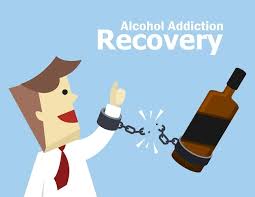
Addiction is often seen as an individual struggle, but its impact extends far beyond one person. In cities like Pune, families are increasingly facing the emotional, financial, and social consequences of substance use. As awareness grows, many households begin exploring options like rehab in pune to find structured support and guidance.
Understanding how addiction affects families is essential. It helps loved ones respond with awareness, patience, and the right kind of help rather than confusion or frustration.
Addiction as a Family Issue, Not Just an Individual One
Alcohol and drug addiction influence every aspect of family life. It changes communication patterns, emotional connections, and daily routines.
Many individuals struggling with addiction may also experience mental health conditions like Depression and Anxiety Disorder. When these conditions are not addressed, they can intensify both the addiction and its impact on family members.
Families often find themselves trying to manage situations they do not fully understand, which can lead to stress and emotional strain.
Emotional Impact on Family Members
One of the most immediate effects of addiction is emotional distress within the household.
Common Emotional Experiences
- Constant worry about the individual’s well-being
- Feelings of helplessness and confusion
- Anger or frustration due to repeated behaviors
- Guilt or self-blame
Family members may struggle to balance support with their own emotional health, often neglecting their own needs in the process.
Breakdown of Trust and Relationships
Addiction can slowly erode trust between family members.
How Trust Is Affected
- Repeated promises that are not kept
- Dishonesty or secretive behavior
- Financial misuse or borrowing without repayment
- Emotional withdrawal
Over time, these patterns can create distance and strain relationships, making communication more difficult.
Financial and Social Consequences
Substance use can also lead to financial instability and social challenges.
Financial Strain
- Spending money on substances
- Loss of income due to job instability
- Increased medical or legal expenses
Social Impact
- Isolation from extended family or friends
- Stigma associated with addiction
- Reduced participation in social activities
These pressures can affect the overall stability of the household.
Impact on Children and Younger Family Members
Children in families affected by addiction may face unique challenges.
Possible Effects on Children
- Emotional insecurity or anxiety
- Difficulty focusing on studies
- Behavioral issues
- Lack of a stable routine
They may also struggle to understand the situation, leading to confusion or fear.
Codependency and Enabling Behavior
In some cases, family members may unintentionally support addictive behavior.
Examples of Enabling
- Covering up for the individual
- Providing financial support without boundaries
- Avoiding difficult conversations
- Ignoring harmful patterns
These actions often come from concern but can delay recovery by preventing accountability.
Importance of Professional Support for Families
Families do not have to handle addiction alone. Seeking professional help can provide clarity and direction.
A rehab in pune offers not only treatment for individuals but also guidance for families.
How Rehab Centres Support Families
- Family counseling sessions
- Education about addiction and recovery
- Communication skill development
- Emotional support for family members
This involvement helps families become part of the recovery process in a healthy and constructive way.
Healing Relationships Through Therapy
Rebuilding relationships takes time and effort. Therapy provides a safe space for open communication.
Benefits of Family Therapy
- Addressing past conflicts
- Rebuilding trust gradually
- Setting healthy boundaries
- Improving understanding and empathy
Healing is a shared journey that requires participation from both the individual and their loved ones.
Role of a Supportive Environment in Recovery
A stable and understanding home environment can significantly influence recovery outcomes.
Families can support recovery by:
- Encouraging healthy routines
- Avoiding judgment or blame
- Celebrating small progress
- Staying involved in aftercare programs
Support does not mean controlling the individual. It means creating a space where recovery is encouraged.
Continuing Care and Community Support
Recovery is an ongoing process, and families also benefit from continued support.
Seeking help from a de addiction centre in pune can provide access to:
- Support groups for families
- Ongoing counseling
- Guidance on relapse prevention
- Resources for managing stress
These services help families maintain balance while supporting their loved one.
Breaking the Stigma Around Addiction
Stigma often prevents families from seeking help. Fear of judgment can lead to silence and isolation.
It is important to recognize that addiction is a health condition that affects many families. Open conversations and awareness can help reduce stigma and encourage timely support.
Frequently Asked Questions (FAQs)
1. How does addiction affect family relationships?
Addiction can lead to loss of trust, communication breakdown, and emotional distance between family members.
2. What should families do when a loved one is struggling with addiction?
Families should seek professional guidance, encourage treatment, and provide emotional support without enabling harmful behavior.
3. Can families be involved in the recovery process?
Yes, family involvement through counseling and support programs can significantly improve recovery outcomes.
4. How can families avoid enabling addiction?
By setting clear boundaries, avoiding financial support for substance use, and encouraging accountability.
5. Is emotional support enough for recovery?
Emotional support is important, but professional treatment and structured care are essential for long-term recovery.
Conclusion
Alcohol and drug addiction can deeply affect families, creating emotional, financial, and relational challenges. However, with awareness, understanding, and the right support, families can play a meaningful role in the recovery process.
Healing takes time, patience, and consistent effort from everyone involved. By seeking professional guidance and maintaining a supportive environment, families can rebuild trust and move toward a healthier and more stable future together.































Sign in to leave a comment.