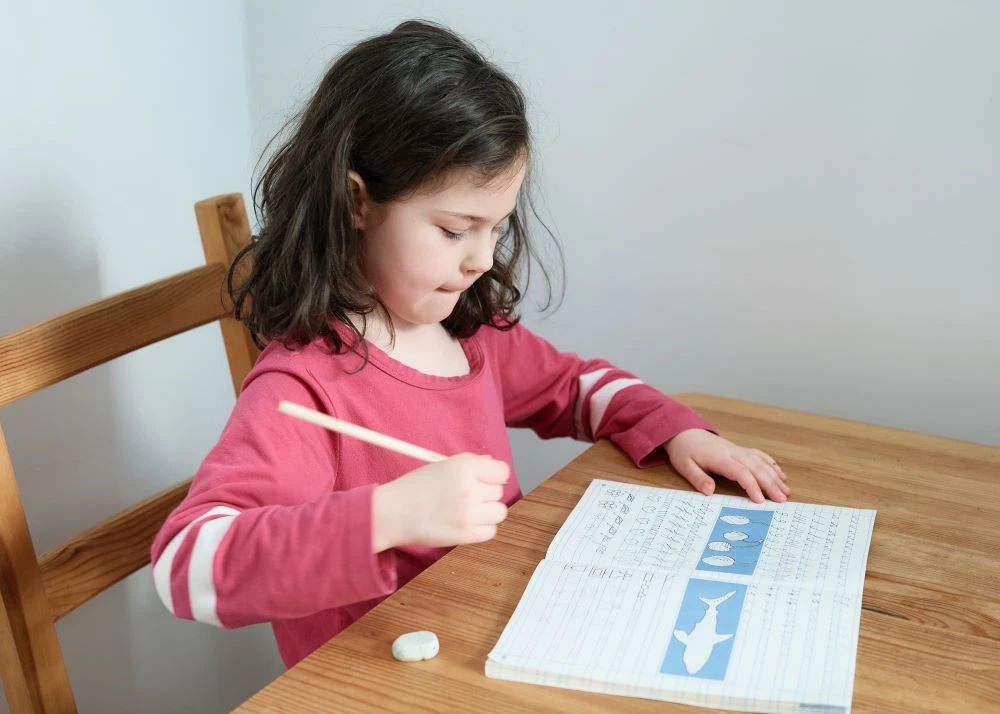

Early education is a key stage in a child’s learning journey. For Class 1 students, learning English is not just about memorising words — it’s about understanding language, building confidence, and developing communication skills that will help them for years to come. One effective tool that supports all of this is an English Worksheet for Class 1.
Worksheets are simple, structured learning sheets that include activities like tracing letters, building words, completing sentences, matching pictures with words, and more. These fun and engaging activities make learning English enjoyable for young learners.
What Is an English Worksheet for Class 1?
An English Worksheet for Class 1 is a specially designed learning resource that helps children practise and strengthen basic English skills such as:
- Letter recognition
- Vocabulary building
- Grammar basics
- Simple sentences
- Reading and comprehension
These worksheets are usually colourful, simple to understand, and focus on one topic at a time so that young learners can grasp it easily without feeling overwhelmed.
Why Worksheets Matter in Early Education
Worksheets are more than just paper with questions. They act as stepping stones that make learning English fun and effective for Class 1 students. Here’s how:
1. Builds Strong Foundations
At this early stage, children are just starting to learn English letters and sounds. Worksheets help them become familiar with the alphabet, phonics, and basic vocabulary in a step-by-step way. Kids can practise tracing letters and forming simple words, which strengthens their language foundations.
2. Reinforces Classroom Learning
Lessons learned in school are reinforced when children practise the same skills in worksheets. This extra practice helps them remember the concepts better and feel more confident. Worksheets act as a bridge between what is taught in class and what children retain in their memory.
3. Improves Writing and Handwriting
Early worksheets include tracing, fill-in-the-blanks, and other writing exercises that help children hold their pencils correctly and write clearly. These activities support the development of fine motor skills crucial for neat handwriting.
4. Expands Vocabulary and Grammar Skills
Worksheets often include fun exercises like picture matching, word building, or identifying action words (verbs) that help children understand how sentences are formed. Learning new words this way boosts vocabulary and grammar basics through repeated practice.
5. Encourages Reading Practice
Reading is a skill that improves with practice. Worksheets with short passages and simple questions help early readers understand how to read and talk about what they’ve read. This builds confidence and leads to stronger comprehension skills.
6. Makes Learning Fun and Engaging
Worksheets are designed to be interactive and enjoyable. With colourful visuals and simple tasks, children see learning English as a fun activity — not a chore. When learning feels fun, they stay curious and motivated.
What Kids Learn from English Worksheets
Here’s a quick look at the essential skills that Class 1 learners develop through worksheets:
🔹 Letter recognition and phonics — Knowing the alphabet and sounds.
🔹 Vocabulary building — Learning new words with pictures and games.
🔹 Sentence formation — Putting words together to make meaning.
🔹 Grammar basics — Understanding simple noun and verb usage.
🔹 Reading comprehension — Understanding small passages and answering questions.
🔹 Writing practice — Tracing and forming letters, words, and sentences.
How Parents and Teachers Can Use Worksheets
Worksheets are great tools both in the classroom and at home. Here are some easy ways to use them effectively:
✔️ Make practice daily
Set a small time each day for worksheets to build consistency.
✔️ Mix it with play
Use games and flashcards alongside worksheets to make learning lively.
✔️ Track progress
Keep finished worksheets in a folder to see how much your child has improved over time.
✔️ Encourage independence
Let children try on their own first — then support them when needed.
Worksheets work best when they feel like fun learning tools rather than tests.
Tips to Maximise Learning with Worksheets
- Start with easy worksheets and grow the difficulty gradually.
- Use colourful pens and stickers to make worksheets more attractive.
- Praise every small step — it boosts confidence!
- Let kids talk about what they learnt after completing each sheet.
FAQs: Catchy Answers for Busy Parents
1. What is an English Worksheet for Class 1?
It’s a fun practice sheet designed to help children learn English basics like letters, words, and sentences in a simple, engaging way.
2. How often should my child use English worksheets?
Daily short practice (about 10–15 minutes) can help kids build language skills without feeling bored.
3. Are worksheets only for school work?
Not at all! Worksheets are great for both school learning and practice at home. They turn learning into play!
4. Do worksheets help improve reading?
Yes, worksheets with simple passages and picture reading help strengthen early reading and understanding skills.
5. Can worksheets make learning fun?
Absolutely! With colourful images, games, and simple tasks, worksheets make learning enjoyable and exciting for young learners.
Final Thoughts
An English Worksheet for Class 1 is more than just practice material — it is a gateway to building confidence, language fluency, and love for learning in young minds. By combining fun activities with structured learning, these worksheets support every child in their early educational journey. Whether at home or school, they are excellent tools that make learning English simple, engaging, and effective.




























Sign in to leave a comment.