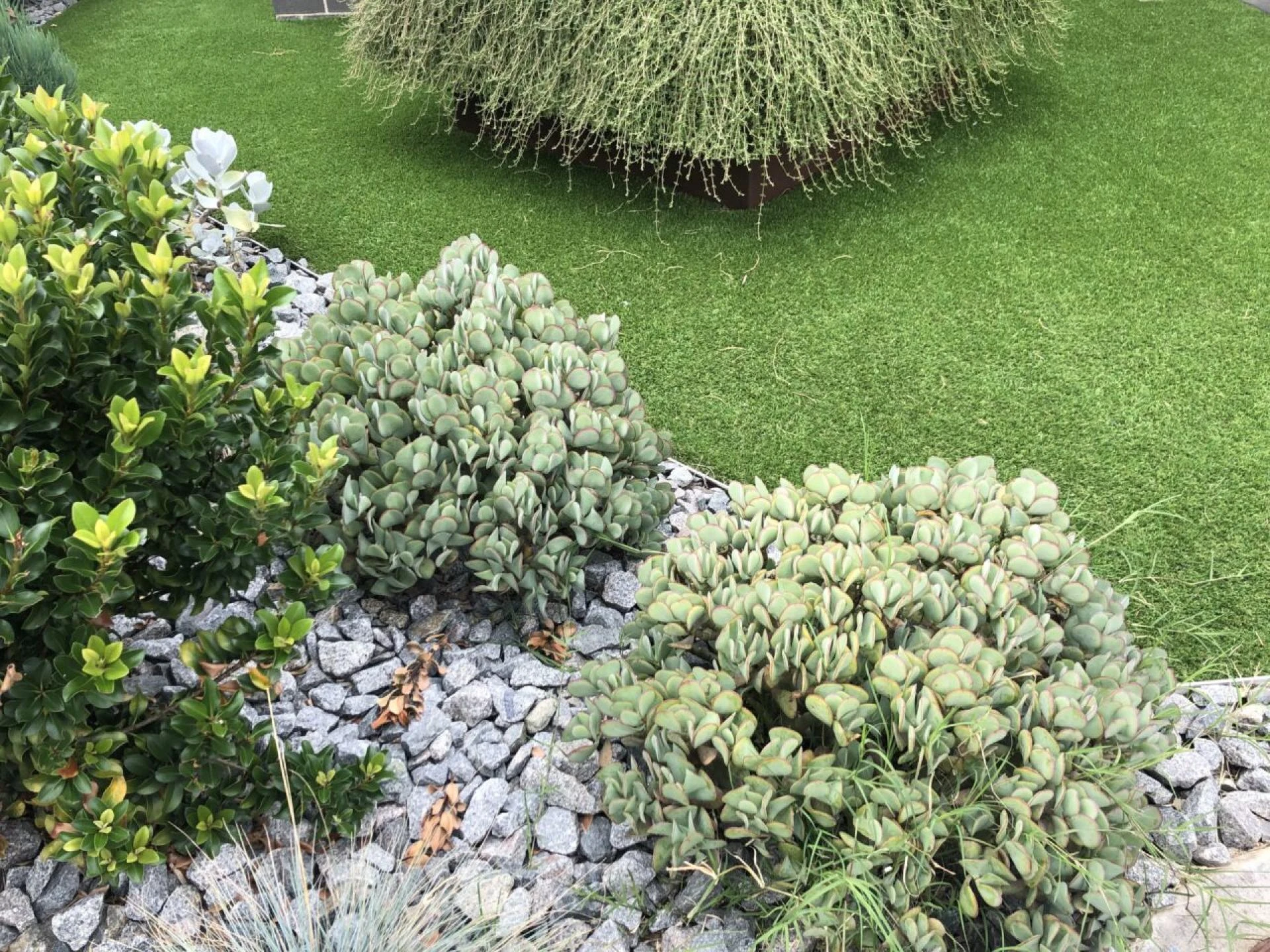

Paying attention to the small details is essential to designing a stunning garden, and artificial grass edging is one feature that may greatly increase the garden's allure. Artificial grass edging provides useful functions and a polished appearance for your landscape. It enhances the ambiance of your outdoor space, helps define and divide various zones, and stops the grass from spreading.
This blog examines how artificial grass edging can make your garden more attractive and why it's a smart purchase for any garden enthusiast.
Definition And Function Of Artificial Grass Edging
A defined boundary and distinction between the grass and other landscape features are created by placing a material or structure known as artificial grass or synthetic grass edging. It adds to the overall appeal and functionality of the outdoor area while serving both functional and aesthetically pleasing objectives. The primary functions of artificial grass edging include:
Containment And Boundary Definition
Edging is a physical barrier to keeping the synthetic grass in its allotted space. It keeps the grass from encroaching on flowerbeds, sidewalks, or other places where it shouldn't be, keeping the landscape tidy and well-kept.
Weed Control And Prevention
Edging that has been laid correctly serves as a deterrent to weed development. By stopping their spread from surrounding soil or planting beds, it aids in preventing weeds from invading the fake grass area.
Protection And Durability
Edging is essential in preventing damage to the artificial grass's margins. It serves as a barrier, protecting the grass from tearing, curling, or displacement brought on by people, animals, or lawn equipment.
Aesthetic Enhancement
Artificial grass edging gives the landscape's appearance a polished finish. It produces neat edges and clear lines, improving the artificial lawn's aesthetic appeal. Edging materials are available in a range of hues, forms, and textures, enabling personalization and enhancing the aesthetic of the outdoor area.
In conclusion, artificial grass edging delineates boundaries, inhibits the growth of weeds, safeguards grass borders, and improves the overall attractiveness of the environment. It is a crucial part of installing artificial grass that is well-designed and useful, giving the outside area both functional advantages and aesthetic appeal.
Some Aesthetically Pleasing Garden Edging Ideas
There are many original and aesthetically pleasing options available for garden edging. Here are some creative suggestions for garden edging:
Brick Border
Bricks can be used to edge garden beds or walkways, giving them a traditional and timeless appearance. Arrange the bricks vertically or horizontally to create a solid and beautiful border.
Flower Bed Borders
Create natural borders around your garden beds by using bright blooms. Plant low-growing flowers or ornamental grasses along the boundaries for a smooth and pleasant transition between the garden and the surroundings.
Rock or Stone Edging
Arrange boulders or stones of different sizes and shapes to make a rustic, all-natural border. This style of edging complements gardens with a rustic or cottage-style design beautifully.
Timber Edging
To make a cozy and natural border, install wooden boards or logs in either a vertical or horizontal orientation. Timber edging is adaptable and may be made to match various garden design aesthetics, from rustic to modern.
Terracotta or Ceramic Tiles
For a border reminiscent of the Mediterranean, place terracotta or ceramic tiles around the perimeter of your garden beds. Select tiles with elaborate patterns or hues that go well with the design of your yard.
Remember that the type of garden edging you select will rely on your preferences, the overall theme of your garden, and the particular plants and features you want to draw attention to. To locate the ideal garden edging idea that improves the aesthetic of your outdoor space, think about experimenting with various materials and styles.
How Edging Enhances Overall Aesthetics Of A Garden
Artificial grass edging substantially improves a garden or outdoor area's aesthetic appeal. The following are some examples of how edge enhances overall aesthetics:
Neat And Tidy Appearance
The artificial grass is surrounded by clean, distinct lines created by edging, which gives the entire landscape a tidy appearance. It contributes to order and organization, making the garden look well-maintained and attractive.
Contrast And Definition
Edging highlights the contrast between the fake grass and other landscape features like flower beds, walkways, or garden features. The artificial grass becomes a focal point because of this contrast, which gives the whole design depth and visual intrigue.
Framing And Focal Point
The edging highlights and displays the fake grass's lush green beauty as a frame. It highlights the grassy area, elevating it to the position of the garden's focal point. The artificial lawn's shape and contours are highlighted by the material used for edging, adding to its aesthetic appeal.
Design Cohesion
Integrating artificial grass edging into the broader landscape provides design cohesion. The style and concept of the garden can be matched depending on the bordering material picked.
In conclusion, artificial grass edging significantly improves a garden's aesthetic appeal by establishing limits, increasing contrast, generating clear lines, and acting as a focal point. It enhances the overall aesthetics of the artificial grass installation and the surrounding landscape by offering design cohesiveness, customization choices, and a tidy and organized appearance.
Regular Maintenance Practices To Preserve The Charm Of The Garden
Regular maintenance procedures are necessary to maintain your garden's appeal and guarantee its ongoing attractiveness. Here is some important maintenance advice to think about:
Regular mowing
It's essential to routinely mow the natural grass in your garden if it coexists with the artificial grass to keep it at the same height and from encroaching on the fake grass. Maintaining the grass at the proper length depends on the particular grass type in your garden.
Brushing And Raking
Regularly rake or sweep the artificial grass fibers with a brush or broom. This keeps them standing straight, preserves their natural beauty, and avoids matting. Brushing keeps the surface clean and clear of impediments by removing debris like leaves, twigs, and dirt.
Cleaning Spills And Stains
Accidental spills, pet waste, or stains should be cleaned once to keep the artificial grass neat and appealing. Gently scrub the afflicted area with water and a light detergent.
Regular Inspection
Check the artificial grass frequently for any indications of deterioration. Pay close attention to the edges, seams, and busy areas. If there are any problems, take care of them immediately to stop future harm and keep your garden's allure.
You can keep your garden's attractiveness by adhering to these routine care procedures, and you may take advantage of a lively and welcoming outdoor area all year long. A well-kept artificial grass field improves the appearance of your yard overall and offers you, your family, and your visitors a lovely and tranquil setting.
Conclusion
Artificial grass edging can significantly improve how lovely your lawn is. The proper selection of edging material may make your garden a beautiful and eye-catching place by defining boundaries, emphasizing the landscape, adding texture, and making upkeep easier. To discover the ideal edging solution for your garden, consider the options' design, usability, and durability. You may create a serene and alluring outdoor retreat with artificial grass edging that you can enjoy for many years.










Sign in to leave a comment.