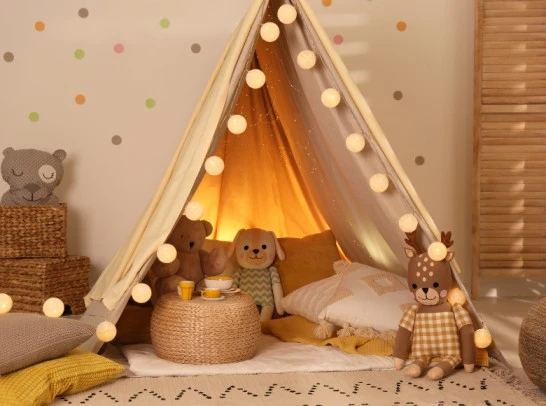

In the serene realms of a child's dreams, the ambiance of their sleep environment plays an integral role. As parents seek innovative ways to create a nurturing atmosphere, the introduction of artificial moons in children's bedrooms has emerged as a transformative element. This article delves into the profound impact of artificial moonlight on the sleep environment for children, exploring the underlying science, design considerations, and the multifaceted benefits of this celestial addition.
Creating a Celestial Haven: The Science Behind Artificial Moonlight
The concept of artificial moons in children's bedrooms is intricately linked to the science of circadian rhythms and the physiological effects of light on sleep. Replicating the gentle glow of moonlight serves a dual purpose: it helps regulate the production of melatonin, the sleep-inducing hormone, and creates a calming visual cue for transitioning into a state of restful sleep. By harmonizing the lighting environment with the natural progression of evening darkness, artificial moons play a vital role in nurturing healthy sleep patterns in children.
Designing Sleepy Skies: Considerations for Artificial Moonlight in Kids' Rooms
Soft Illumination and Color Psychology
The success of artificial moonlight lies in the careful design of its illumination. Opting for soft, warm hues mirrors the calming tones of moonlight, cultivating an environment conducive to relaxation. Color psychology plays a pivotal role; gentle blues and purples evoke a sense of tranquility, while steering clear of harsh, bright whites prevents overstimulation before bedtime.
Adjustable Brightness and Customization
Versatility is paramount in accommodating the diverse preferences of children. Adjustable brightness settings empower parents to tailor the intensity of the artificial moonlight, catering to the unique sensitivities of each child. Customization features, such as the ability to mimic lunar phases or project constellations, add a layer of personalization that not only fosters a sense of ownership but also sparks curiosity and wonder.
Safety and Durability
Considering the target audience, safety is of utmost importance. Opting for child-friendly materials, low-heat LED technology, and durable construction ensures that the artificial moonlight is not only enchanting but also safe for curious hands. Additionally, selecting energy-efficient options not only promotes sustainability but also keeps the sleep environment eco-friendly.
The Therapeutic Benefits of Artificial Moonlight for Kids
Bedtime Rituals and Sleep Associations
The introduction of artificial moons can seamlessly become a cherished part of bedtime rituals. Dimming the room lights and turning on the artificial moonlight serves as a bedtime cue, signaling to children that it's time to unwind. Over time, these associations create a comforting routine, signaling to the child's brain that it's time to transition from the activities of the day to the tranquility of the night.
Reducing Sleep Anxiety and Nighttime Fears
For children susceptible to sleep anxiety or nighttime fears, the gentle glow of artificial moonlight acts as a soothing presence. The subtle illumination provides a sense of security, alleviating fears of the dark. This not only promotes more relaxed bedtime routines but also contributes to uninterrupted, deep sleep throughout the night.
Promoting Healthy Sleep Patterns
By aligning with natural circadian rhythms, artificial moonlight aids in establishing and reinforcing healthy sleep patterns for children. Consistent exposure to a calming, moonlit environment helps regulate the sleep-wake cycle, fostering a more restful and rejuvenating sleep. This is particularly crucial during the formative years when sleep patterns play a pivotal role in shaping lifelong sleep habits.
Guiding Little Explorers: The Educational Potential of Artificial Moons
Beyond its sleep-inducing qualities, artificial moonlight serves as an educational tool for young minds. Projecting constellations or replicating lunar phases sparks an early interest in astronomy. Parents can seize this opportunity to engage children in conversations about the cosmos, fostering a love for learning while creating a bedtime routine that seamlessly blends education with relaxation.
Conclusion
In the cosmic tapestry of a child's world, the introduction of artificial moons to their sleep environment is akin to adding a celestial brushstroke. From the gentle science that regulates melatonin production to the thoughtful design considerations and therapeutic benefits, the incorporation of artificial moonlight holds the promise of transforming bedtime into a tranquil, educational, and enchanting experience for children.
As parents navigate the delicate balance of creating a sleep environment that promotes both relaxation and curiosity, the soft glow of an artificial moon becomes a beacon of comfort. In this celestial haven, the minds of little dreamers can wander among the stars, guided by the gentle illumination that enhances the sleep environment and sets the stage for a lifetime of peaceful nights and imaginative dreams. With the profound impact of artificial moons, bedtime becomes more than a routine; it becomes a celestial journey into the realms of restful sleep and childhood wonder.
Sign in to leave a comment.