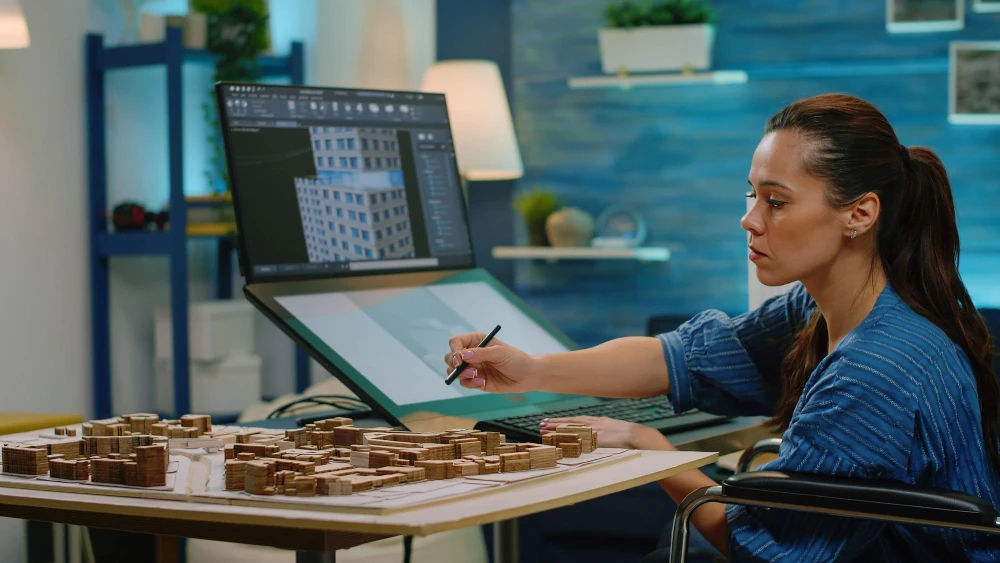

In the fast-paced world of construction and engineering, efficiency is paramount. As projects grow in complexity, the tools used to design and implement mechanical, electrical, and plumbing (MEP) systems must evolve. One such tool that has made significant strides in enhancing productivity is AutoCAD MEP 3D. This software not only streamlines the design process but also fosters collaboration among various stakeholders, ultimately leading to better project outcomes.
The Evolution of MEP Design
Traditionally, MEP design was a labor-intensive process, often involving 2D drawings that could lead to misinterpretations and errors. As the industry has progressed, the need for more sophisticated design tools has become evident. AutoCAD MEP 3D addresses these challenges by providing a platform that allows engineers to visualize and manipulate their designs in three dimensions. This shift from 2D to 3D modeling has transformed how MEP systems are designed, making it easier to identify potential issues before they arise.
Enhanced Visualization and Coordination
One of the most significant advantages of using AutoCAD MEP 3D is the enhanced visualization it offers. Engineers can create detailed 3D models of MEP systems, allowing them to see how different components interact within a space. This capability is crucial for identifying clashes between systems, such as ductwork and plumbing, which can lead to costly rework if not addressed early in the design phase.
Moreover, the ability to visualize MEP systems in 3D facilitates better coordination among various disciplines involved in a project. Architects, structural engineers, and MEP engineers can collaborate more effectively, ensuring that all systems are integrated seamlessly. This collaborative approach not only saves time but also reduces the likelihood of errors that can arise from miscommunication.
Streamlined Documentation and Reporting
Another area where AutoCAD MEP 3D excels is in documentation. The software automates many aspects of the documentation process, generating accurate and detailed reports that are essential for project management. This automation reduces the time spent on manual documentation, allowing engineers to focus on design and problem-solving.
Additionally, the software's ability to create comprehensive schedules and material takeoffs directly from the 3D model ensures that all stakeholders have access to the most up-to-date information. This transparency is vital for maintaining project timelines and budgets, as it allows for more accurate forecasting and resource allocation.
Improved Design Efficiency
Efficiency is at the heart of AutoCAD MEP 3D's design philosophy. The software includes specialized tools that cater specifically to MEP design, enabling engineers to perform tasks more quickly and accurately. For instance, the software allows for the rapid creation of duct and piping layouts, which can be adjusted easily as project requirements change.
Furthermore, the integration of features such as automated sizing and routing helps engineers optimize their designs for performance and cost-effectiveness. By reducing the time spent on repetitive tasks, AutoCAD MEP 3D empowers engineers to focus on innovation and creativity in their designs.

Real-Time Collaboration and Cloud Integration
In today's interconnected world, real-time collaboration is essential for successful project execution. AutoCAD MEP 3D supports cloud-based workflows, allowing teams to work together from different locations. This capability is particularly beneficial for large projects that involve multiple stakeholders, as it ensures that everyone is on the same page.
With cloud integration, engineers can access the latest project files and make updates in real time, reducing the risk of working with outdated information. This level of collaboration not only enhances efficiency but also fosters a culture of teamwork and shared responsibility among project participants.
Case Studies: Success Stories with AutoCAD MEP 3D
Numerous organizations have successfully implemented AutoCAD MEP 3D to enhance their design processes. For example, a leading engineering firm utilized the software to streamline the design of a large commercial building. By leveraging the 3D modeling capabilities, the team was able to identify and resolve clashes between MEP systems early in the design phase, resulting in significant time and cost savings.
Another case involved a construction company that adopted AutoCAD MEP 3D for a complex infrastructure project. The software's ability to generate accurate documentation and facilitate collaboration among various teams allowed the project to stay on schedule and within budget, demonstrating the tangible benefits of using advanced CAD tools.
The Future of MEP Design
As technology continues to advance, the future of MEP design looks promising. The integration of artificial intelligence and machine learning into CAD software is expected to further enhance efficiency and accuracy. These technologies can analyze design patterns and suggest optimizations, allowing engineers to make informed decisions quickly.
Moreover, the growing trend of Building Information Modeling (BIM) is likely to shape the future of MEP design. AutoCAD MEP 3D is already compatible with BIM workflows, enabling engineers to create intelligent models that can predict performance over time. This capability will be crucial as the industry moves toward more sustainable and efficient building practices.
Conclusion
In conclusion, AutoCAD MEP 3D is transforming the landscape of mechanical, electrical, and plumbing design by unlocking new levels of efficiency and collaboration. Its advanced visualization capabilities, streamlined documentation processes, and real-time collaboration features make it an invaluable tool for modern engineering projects. As the industry continues to evolve, tools like Alcads CAD will play a critical role in shaping the future of design, ensuring that projects are completed on time, within budget, and to the highest standards of quality. Embracing such technologies is essential for engineers looking to stay competitive in an increasingly complex and demanding field.









Sign in to leave a comment.