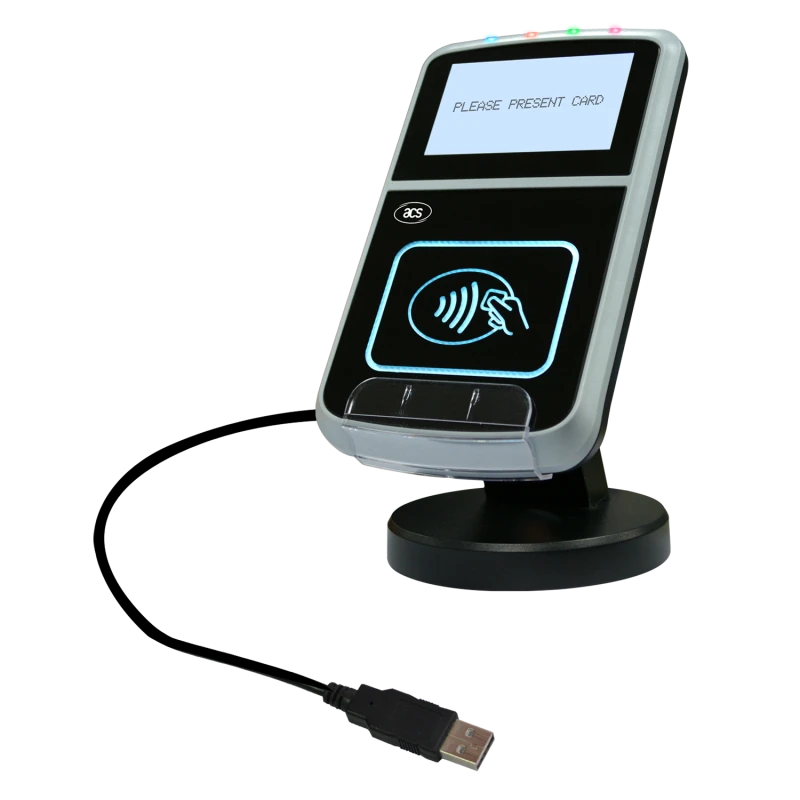

Every card transaction in today's fast-paced world of digital payments is a perfect blend of sophisticated technology and safety. This experience is made possible by two key components: bank card encoding tools and card personalization tools. These are the technologies that keep current banking systems working. They ensure that each card is unique, secure, and ready for use in the real world.
What is Bank Card Encoding?
Encoding a bank card involves writing crucial information onto the chip or magnetic strip of a payment card in a way that payment and banking systems can decipher and authorize. Once this is done, a simple plastic card can be used to carry money safely and easily.
There are different kinds of personal information on each type of bank card, such as debit, credit, and prepaid. The account of the user is linked to this information.
After being encoded, information such as the card number, expiration date, bank identification, and security codes is stored on the magnetic stripe (the black band on the back of the card) or the embedded EMV chip.
Understanding Card Personalization Equipment
The next crucial step, after the card has been properly encoded with the correct information, is personalization. At this point, the card is officially yours. Each card can have a unique digital and physical appearance, with the options for customization that exist. This process will include printing the cardholder's name and other information, embossing numbers, adding secure features like holograms, and lastly, filling the chip or magnetic stripe with data. Some newer cards also feature biometric or QR-based identification for enhanced security and convenience.
Today's advanced customization systems are more efficient, intelligent, and superior. They can quickly and easily create high-quality, usable cards utilizing high-speed printing, laser engraving, and rapid issuance technologies. Given that they simplify processes and provide a seamless and customized process for consumers from design to delivery, this equipment is invaluable in financial institutions, such as banks.
The importance of Secure Encoding and Personalization
Trust and security are increasingly vital to businesses. Encoding and personalization machinery work together to ensure bank cards are properly secured. Some of the key advantages are listed below.
● Encrypting bank cards correctly prevents unauthorized access to critical information.
● All of the cards are real and uphold international standards for brand presentation because state-of-the-art card personalization equipment is used.
● Banking efficiency with the help of these technologies, banks can shorten processing times and reduce administrative delays.
Protecting consumers from fraud, secure encoding, and customisation mitigate hazards.
Any kind of card is quite safe to use in everyday life. All major credit, debit, and chip cards, as well as commercial payment cards, are supposed to be securely encrypted and should be dedicated to an individual user.
Conclusion
To sum up, the strength of bank card encoding and card personalization technology ensures that present-day card transactions are smooth and safe. Besides securing confidential information, the technologies make each card unique to the cardholder, which enhances security and confirms the authenticity of the brand. Financial organizations with state customization/encoding systems have an opportunity to increase their productivity, improve their customer service, and reduce fraud. In providing the next generation solutions of issuing cards that can be trusted, secure, and personalized, and which consumers can trust to do everything about their transactions, companies such as AllStar Card Systems play a crucial role in providing these solutions.










Sign in to leave a comment.