A reliable supply chain depends on more than moving products from one location to another. Businesses must coordinate transportation, manage inventory, organise warehouse operations and meet customer delivery expectations. When any part of this process falls behind, the effects can spread across the entire operation, leading to higher costs, delayed orders and dissatisfied customers.
For manufacturers, wholesalers, retailers and e-commerce businesses, effective freight planning can make everyday operations more predictable. By choosing suitable transport options, maintaining clear inventory records and working with dependable logistics partners, companies can improve efficiency while keeping their distribution processes organised.
Why Does Freight Planning Matter for Modern Businesses?
Freight planning helps businesses determine how goods will move between suppliers, warehouses, distribution centres and customers. It involves selecting suitable vehicles, coordinating delivery schedules and ensuring shipments reach their destinations safely.
Without a clear plan, businesses may face unnecessary trips, underused vehicles, missed delivery windows and unexpected storage expenses. These issues can affect profit margins, particularly when companies manage frequent shipments or serve customers across several regions.

A well-organised approach allows businesses to anticipate demand, prepare shipments in advance and respond more effectively when circumstances change. It also helps teams communicate delivery expectations to customers and identify potential problems before they become expensive disruptions.
How Can Transportation Partners Support Business Growth?
Choosing the right transportation provider is an important decision for businesses that depend on regular freight movement. A capable logistic trucking company can help coordinate shipments, manage delivery schedules and provide suitable transport options for different types of cargo.
The right arrangement depends on shipment size, delivery distance, product requirements and budget.
Full Truckload and Less-Than-Truckload Shipping
Full truckload (FTL) shipping is often suitable when a business has enough freight to occupy most or all of a trailer. It can reduce handling between collection and delivery, making it a practical option for larger consignments.
Less-than-truckload (LTL) shipping allows businesses to share trailer space with freight from other shippers. This can be useful for smaller consignments that do not justify booking an entire trailer.
Comparing these options helps businesses balance transportation costs with delivery requirements. Companies should also consider shipment dimensions, collection schedules, delivery locations and the handling needs of their products.
Why Does Shipment Visibility Matter?
Knowing where freight is and when it is expected to arrive helps businesses plan warehouse labour, arrange receiving appointments and keep customers informed.
GPS tracking, shipment updates and direct communication with dispatch teams can provide better visibility throughout the delivery process. These tools are particularly useful for businesses coordinating multiple shipments or managing time-sensitive deliveries.
How Does Warehousing Fit into the Supply Chain?
Warehousing provides a place to receive, store, organise and prepare goods before they move to their next destination. However, effective warehouse management involves much more than finding available floor space.
Businesses need accurate inventory records, organised storage areas and efficient procedures for receiving and dispatching products. Poor organisation can lead to misplaced stock, incorrect orders and delays that affect customer satisfaction.
For businesses serving customers throughout British Columbia and beyond, warehousing logistics vancouver operations can support regional distribution by positioning inventory closer to key transport routes and customer markets.
A suitable warehouse arrangement may include:
- Inventory storage: Keeping products organised and accessible until they are needed.
- Cross-docking: Moving eligible shipments from incoming vehicles to outgoing transport with limited storage time.
- Order preparation: Picking, packing, labelling and preparing products for dispatch.
- Temperature-controlled storage: Maintaining appropriate conditions for goods that require specific temperature ranges.
- Flexible storage capacity: Adjusting warehouse space as inventory levels change throughout the year.
Not every business needs every service. The right combination depends on product characteristics, order volumes and the distance between suppliers and customers.
What Should Businesses Consider When Choosing a Warehouse?
The best warehouse is not necessarily the largest or the least expensive. It is the facility that fits a company's operational needs and supports its distribution strategy.
Before selecting a provider, businesses should evaluate several practical factors.
Location and transport access: Consider proximity to suppliers, major roads, ports, border crossings and customer delivery areas. A convenient location may reduce unnecessary travel and improve distribution planning.
Storage requirements: Confirm that the facility can accommodate product dimensions, pallet quantities, handling requirements and any environmental conditions necessary for safe storage.
Inventory accuracy: Ask how stock movements are recorded and whether inventory reports are available when needed. Reliable information helps prevent stock discrepancies and supports replenishment decisions.
Scalability: Seasonal demand can create sudden changes in storage requirements. Flexible arrangements may help businesses avoid paying for unused space during quieter periods.
Service coordination: When warehouse operations and transportation are managed together, businesses may find it easier to schedule collections, organise dispatches and resolve delivery issues.
Comparing these factors before signing an agreement can help prevent operational difficulties later.
How Can Businesses Improve Their Logistics Supply Chain?
An effective logistics supply chain relies on coordination between suppliers, transport providers, warehouse teams and customers. Improving one activity can help, but the greatest benefits often come from making the entire process work together.
Businesses can start with a few practical steps.
- Review shipment patterns. Identify frequently used routes, recurring delays and shipments that could be consolidated.
- Maintain accurate inventory records. Use consistent stock updates to support purchasing, warehouse planning and order fulfilment.
- Set realistic delivery schedules. Allow for loading times, traffic, border procedures and receiving appointments.
- Monitor operating costs. Review freight charges, storage fees, handling expenses and costs associated with missed deliveries.
- Establish clear communication. Make sure suppliers, warehouse staff and transportation partners understand their responsibilities and know whom to contact when problems arise.
- Measure performance regularly. Track delivery reliability, order accuracy, inventory discrepancies and overall fulfilment costs.
These steps give businesses a clearer picture of where time and money are being spent. They also provide a practical starting point for improving processes without making unnecessary changes to the entire operation.
How Can an Integrated Logistics Provider Help?
Working with a provider that offers transportation and warehousing can simplify coordination for businesses with complex distribution requirements. Instead of managing several disconnected service providers, companies may be able to coordinate storage, freight movement and distribution through a more connected arrangement.
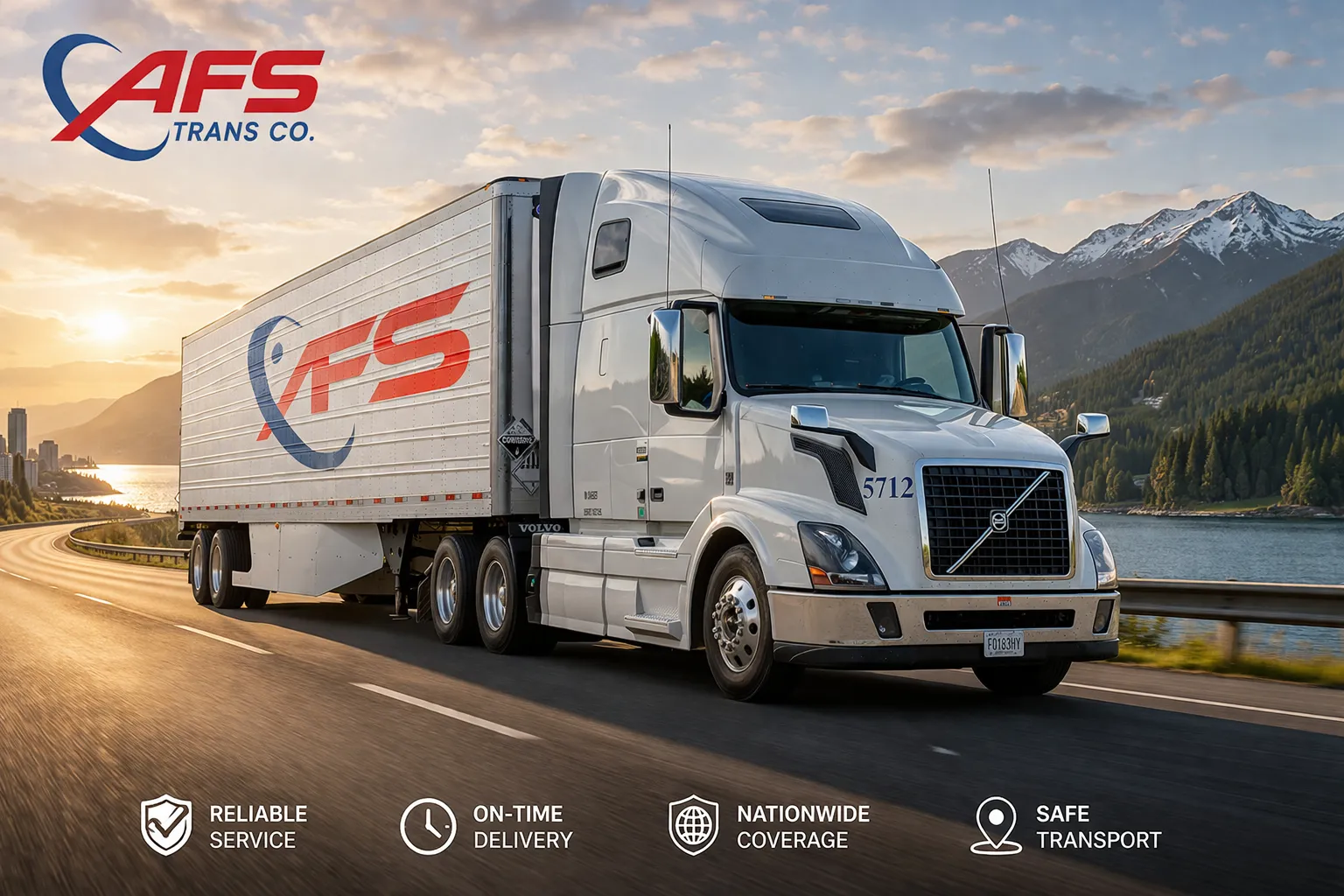
AFS Trans Co. offers freight transportation, truckload and less-than-truckload shipping, temperature-controlled transport and warehousing services. Businesses can explore these options according to their shipment volumes, storage requirements and distribution needs.
When evaluating a logistics partner, ask about service coverage, tracking capabilities, communication procedures, pricing structures and the handling of unexpected delays. A clear understanding of these details helps establish realistic expectations and supports a more dependable working relationship.
Frequently Asked Questions
1. What is the difference between transportation and logistics?
Transportation focuses on moving goods between locations. Logistics covers the wider process, including transportation planning, warehousing, inventory management, order fulfilment and delivery coordination.
2. When should a business use FTL instead of LTL shipping?
FTL is generally suitable for larger shipments that justify dedicated trailer space. LTL is often more practical for smaller consignments because businesses share trailer capacity and associated costs with other shippers.
3. How can warehousing improve delivery efficiency?
A well-organised warehouse keeps inventory accessible, improves order preparation and helps coordinate outbound shipments. Its location can also influence delivery times and transportation expenses.
4. What should businesses look for in a logistics provider?
Consider transport options, warehouse capabilities, service coverage, shipment visibility, communication, pricing transparency and experience handling the type of freight your business moves.
Conclusion
Reliable freight movement depends on good planning, accurate inventory management and clear communication across every stage of distribution. By reviewing shipment patterns, selecting suitable transport methods and choosing warehouse services that match their needs, businesses can reduce avoidable delays and build more dependable operations.
The goal is not simply to move goods faster. It is to create a practical, cost-conscious process that supports customer expectations and adapts as the business grows. Reviewing these areas regularly can help companies make better logistics decisions and maintain a more resilient supply chain.




















Sign in to leave a comment.