

When it comes to home heating systems, few aspects are as crucial as knowing the exact date of your boiler installation. Homeowners often underestimate the importance of this information until they face issues with warranty claims or insurance coverage. If you’ve ever asked yourself, “when was my boiler installed”, you are already on the right track toward ensuring your heating system remains protected, compliant, and efficient. Understanding how boiler installation dates directly impact warranties and insurance can save you time, money, and unnecessary stress.
Why the Installation Date Matters
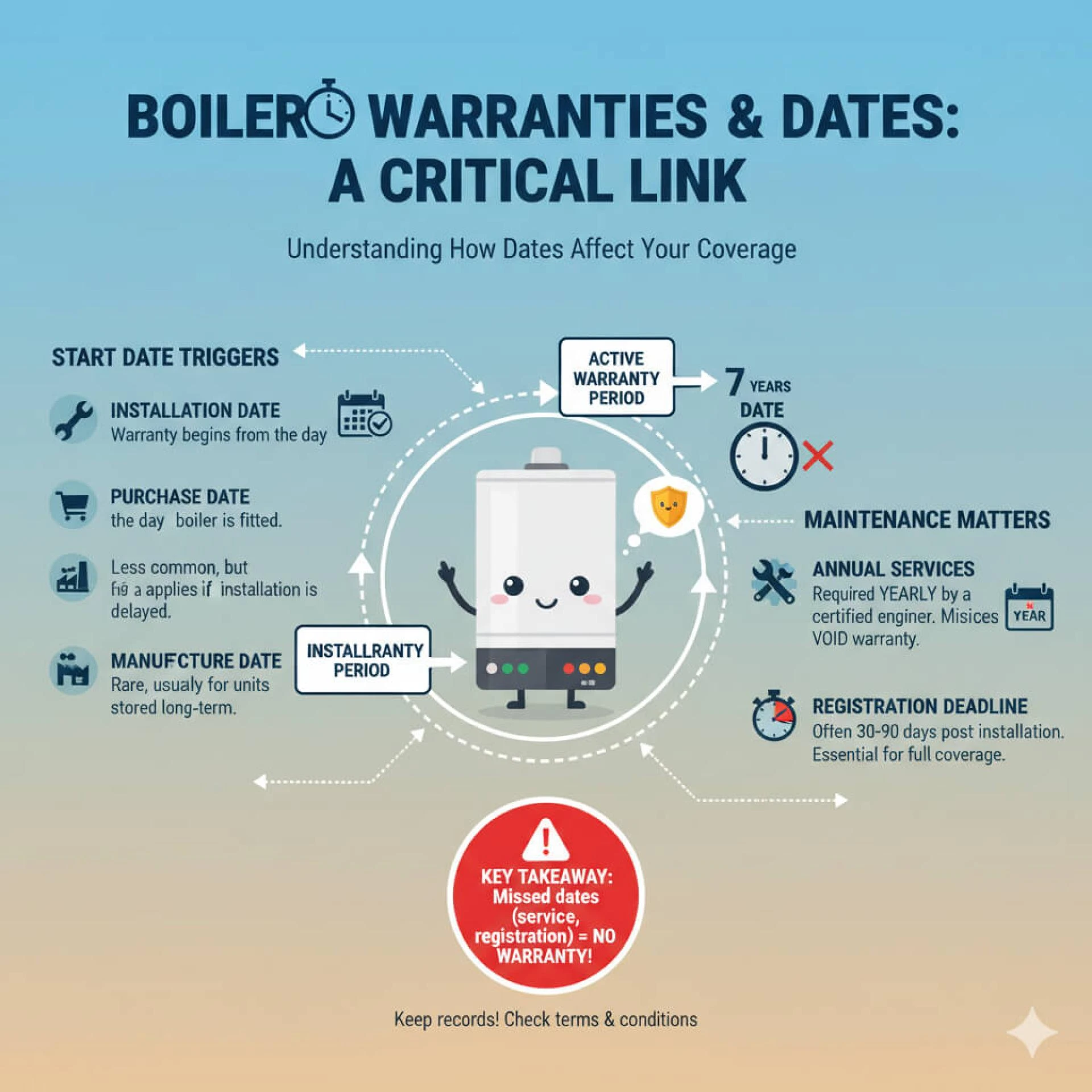
The date your boiler was installed is more than just a line on a receipt—it’s the official start of your warranty period and often a key factor for insurance providers. Manufacturers rely on installation dates to determine whether your boiler is still under warranty, while insurers use it to assess the risk and validity of any claims. Without clear proof of installation, you may struggle to secure free repairs, replacements, or insurance payouts in the event of breakdowns or accidents.
Boiler Warranties and Their Dependence on Dates
1. Start of Warranty Period
Most boiler manufacturers offer warranties ranging from 5 to 12 years. This period begins on the day of installation, not the day of purchase. If your boiler was purchased weeks before being installed, your coverage only activates once it is fitted and operational.
2. Proof of Installation
In most cases, manufacturers require documented evidence such as installation certificates or invoices to validate a warranty. Failing to provide accurate records may void your coverage entirely, leaving you responsible for costly repairs.
3. Annual Servicing Requirements
Many warranties stipulate annual servicing as a condition. Your boiler’s installation date becomes the anchor for this timeline. Missing a service deadline—even by a few weeks—can invalidate your warranty.
Insurance Policies and Boiler Installation Dates
1. Validity of Insurance Claims
Insurance providers often require proof of when your boiler was installed to process claims. For example, if a boiler-related leak damages your property, insurers may deny coverage if the unit is considered too old or not properly maintained.
2. Risk Assessment and Premiums
Older boilers are more likely to break down or cause damage, which increases risk for insurers. By knowing your installation date, providers can calculate accurate premiums and determine whether additional conditions, such as mandatory servicing, apply to your policy.
3. Compliance with Safety Standards
Insurance companies expect boilers to comply with legal and safety standards at the time of installation. If your boiler’s installation date suggests outdated safety compliance, it may jeopardize your insurance coverage.
How to Find Out When Your Boiler Was Installed
If you are unsure of your installation date, there are several ways to track it down:
- Check Installation Certificates: Gas Safe or equivalent certificates typically include the date.
- Look for Manufacturer Stickers: Some boilers have labels showing the installation or commissioning date.
- Contact Your Installer: Heating engineers usually keep records of past installations.
- Review Service Records: If you’ve kept up with annual servicing, early service reports can indicate installation timing.
- Ask Your Insurance or Warranty Provider: They may have installation records tied to your boiler’s registration.
The Risks of Not Knowing Your Installation Date
Failing to track your boiler’s installation date can have serious financial and safety consequences:
- Voided Warranties: Without proof, manufacturers may deny free repairs or replacements.
- Higher Insurance Premiums: Insurers may charge more if the installation date is unclear or outdated.
- Coverage Denials: Claims may be rejected if your boiler is deemed too old or improperly documented.
- Missed Maintenance Deadlines: Forgetting annual service timelines can shorten your boiler’s lifespan.
Steps to Protect Your Warranty and Insurance
- Register Your Boiler Immediately: Many warranties require registration within a set time frame after installation.
- Keep All Documentation: Store certificates, invoices, and service reports safely.
- Schedule Annual Servicing: Never miss a maintenance deadline tied to your installation date.
- Update Your Insurer: Inform your insurance provider about installation details to ensure valid coverage.
- Consider Upgrading: If your boiler is nearing the end of its warranty, consider replacing it to maintain coverage.
Conclusion
Your boiler’s installation date is more than just a technical detail—it is a key factor that influences warranty eligibility and insurance protection. Knowing when your boiler was installed ensures you can make valid claims, avoid unexpected costs, and keep your heating system in compliance with both manufacturers and insurers. Staying informed and maintaining proper records will safeguard your investment, maximize efficiency, and provide peace of mind for years to come.




























Sign in to leave a comment.