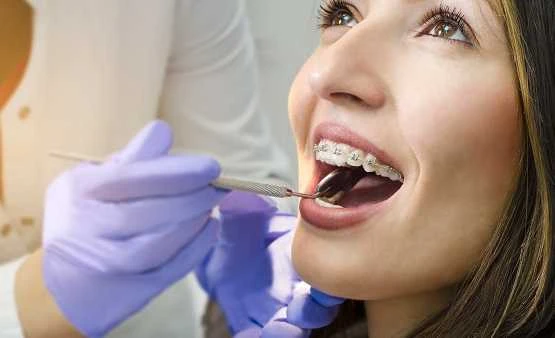

A healthy smile is not only about straight teeth—it’s also about how your upper and lower jaws align when you bite. Problems such as overbite, underbite, crossbite, or open bite can affect your ability to chew, speak, and even maintain good oral hygiene. Braces treatment has long been one of the most effective solutions for correcting these bite issues while also improving overall oral health. In this blog, we’ll explore how braces help, why correcting bite problems is important, and the long-term health benefits of orthodontic care.
Understanding Bite Problems
Bite problems, also known as malocclusions, occur when the teeth and jaws don’t fit together properly. Some of the most common bite issues include:
- Overbite – When the upper front teeth overlap the lower front teeth excessively.
- Underbite – When the lower teeth protrude ahead of the upper teeth.
- Crossbite – When some upper teeth sit inside the lower teeth instead of outside.
- Open Bite – When the upper and lower teeth don’t touch when the mouth is closed.
These issues can be caused by genetics, childhood habits such as thumb-sucking, early loss of baby teeth, or jaw growth imbalances. Left untreated, bite problems can affect oral health and overall well-being.
Why Correcting Bite Problems Matters
While many people seek braces for cosmetic reasons, the importance of correcting bite problems goes beyond appearance. An improper bite can:
- Affect Chewing and Digestion
- If your teeth don’t align properly, chewing food becomes less effective. Poor chewing can lead to digestive problems over time.
- Cause Excessive Tooth Wear
- Misaligned bites create uneven pressure on certain teeth, leading to premature wear, cracks, or fractures.
- Lead to Jaw Pain and TMJ Disorders
- Chronic bite misalignment may strain the jaw joint (temporomandibular joint), causing pain, headaches, and difficulty in opening or closing the mouth.
- Increase Risk of Gum Disease
- Crowded or misaligned teeth are harder to clean, allowing plaque and bacteria to accumulate, which can result in gum inflammation or periodontal disease.
Correcting alignment issues early with braces is a smart step toward lifelong oral health.
For the best braces treatment in Malad West, Mumbai, visit Kare Dental Clinic – where expert care meets lasting smiles.
How Braces Treatment Works
Braces work by applying gentle, continuous pressure on the teeth over time, gradually moving them into proper alignment. The treatment usually involves brackets (metal or ceramic), archwires, and sometimes rubber bands or other appliances. For bite correction specifically, braces may include:
- Elastics (rubber bands) – These connect the upper and lower braces to guide the jaws into proper alignment.
- Bite blocks or turbos – Small appliances placed on teeth to prevent deep bites and encourage jaw correction.
- Expansion devices – Used in some cases to widen the upper jaw and correct crossbites.
The orthodontist adjusts the braces periodically to ensure teeth and jaws move in the right direction. Over time, patients notice both functional and aesthetic improvements.
Braces Treatment for Different Bite Problems
- Overbite Correction
- Braces help move the upper teeth backward and the lower teeth forward for better alignment. In severe cases, elastics or additional appliances may be used.
- Underbite Correction
- Braces combined with elastics or expanders can shift the lower jaw back or guide the upper jaw forward. Early treatment in children often produces the best results.
- Crossbite Correction
- Braces with expansion devices or elastics reposition teeth so the upper teeth fit correctly over the lower teeth.
- Open Bite Correction
- Braces can close the gap between upper and lower teeth by repositioning them, while addressing habits (like thumb sucking) that may cause the condition.
Oral Health Benefits of Braces Treatment
Correcting bite problems with braces offers long-term oral health benefits beyond aesthetics:
- Improved Chewing Efficiency – Properly aligned teeth allow for better chewing, reducing strain on the digestive system.
- Reduced Risk of Cavities and Gum Disease – Straight teeth are easier to brush and floss, minimizing the risk of decay and gum infections.
- Prevention of Tooth Damage – Balanced bite forces protect teeth from chipping, cracking, or wearing down unevenly.
- Better Speech – Bite alignment plays a role in clear pronunciation, and braces can help resolve certain speech difficulties.
- Enhanced Confidence – A well-aligned smile boosts self-esteem and encourages better oral care habits.
Life After Braces: Maintaining Results
Once braces are removed, wearing a retainer is essential to maintain the corrected bite and prevent teeth from shifting back. Regular dental check-ups, good oral hygiene, and a healthy diet will further support long-term oral health.
Braces treatment does far more than straighten teeth—it corrects bite problems that can impact chewing, speech, and overall oral health. Whether you’re dealing with an overbite, underbite, crossbite, or open bite, braces provide a proven way to restore balance and function to your smile. Investing in orthodontic care not only enhances appearance but also prevents future dental complications, making it one of the most valuable steps you can take for lifelong oral health.

























Sign in to leave a comment.