
Introduction
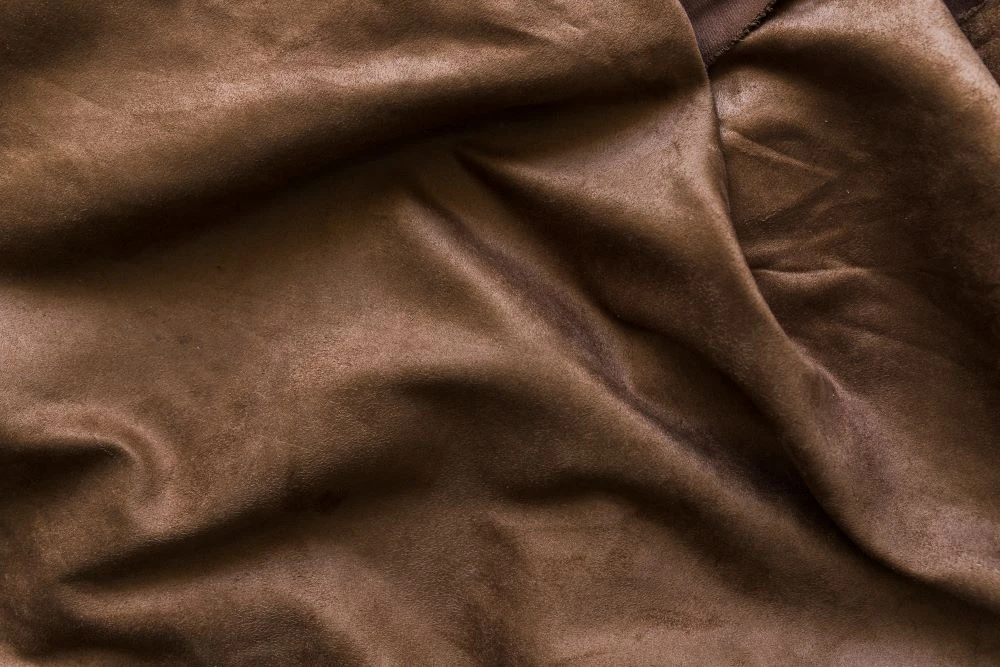
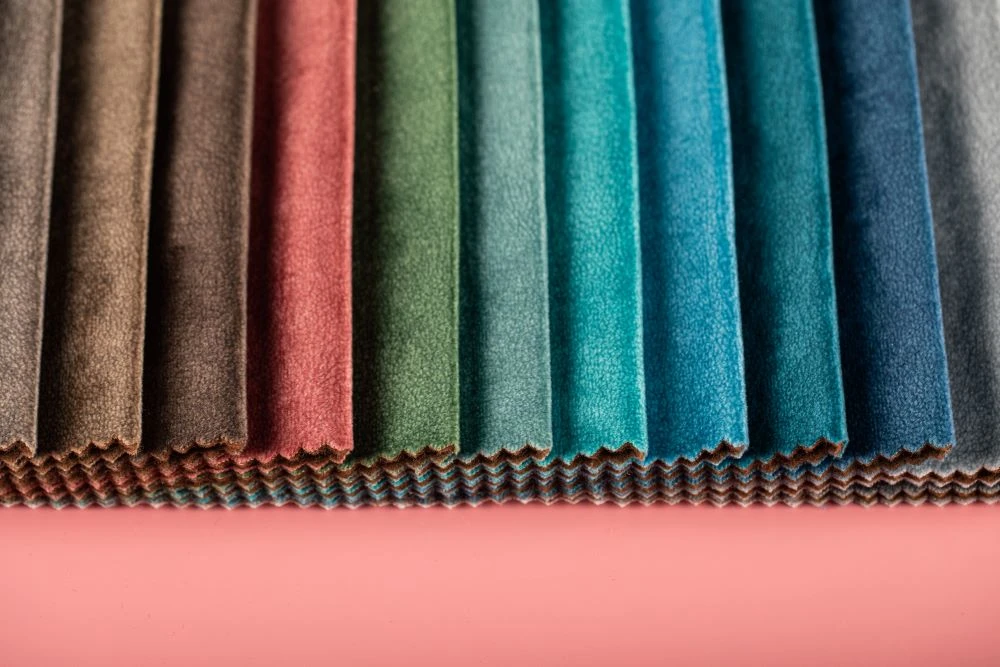
The UK has a long and rich tradition of fabric production, from the textile mills of Yorkshire to the modern sustainable fabric manufacturers across the country. Among the many types of fabrics, brown colour material fabric holds a unique place in home décor and fashion. Known for its earthy tone, timeless appeal, and versatility, this fabric is widely used in upholstery, curtains, garments, and soft furnishings. But how exactly is brown material fabric manufactured in the UK? Let’s explore the process step by step.
Step 1: Selecting the Raw Fibres
Fabric production begins with the careful selection of raw fibres. In the UK, manufacturers use both natural fibres such as cotton, wool, and linen, as well as synthetic fibres like polyester and nylon. The choice depends on the end use of the fabric—cotton and wool for comfort and breathability, polyester for durability, and blends for a balance of qualities.
For brown fabrics, the base fibre can either be naturally dyed or blended with coloured threads to achieve the desired tone.
Step 2: Spinning the Yarn
Once fibres are selected, they undergo a spinning process where they are twisted and drawn out into yarns. In the UK, textile mills still combine traditional spinning methods with modern machinery to produce strong, consistent yarns. The spinning process ensures the fibres are aligned, making the yarn suitable for weaving or knitting.
Step 3: Weaving or Knitting
The yarn is then transformed into fabric. Two main techniques are used:
- Weaving: Yarns are interlaced on looms to create woven fabrics such as cotton, wool blends, or polyester mixes.
- Knitting: Loops of yarn are interlinked to form knitted fabrics, often used for stretchy materials or soft furnishings.
Brown colour fabrics can be woven tightly for durability or loosely for lighter applications like drapery.
Step 4: Dyeing the Fabric Brown
Colour is one of the most crucial steps. For brown material fabric, UK manufacturers often use high-quality dyes that are both vibrant and resistant to fading. There are two main methods:
- Fibre dyeing: Dye is applied before the fibres are spun into yarn, giving a rich, even tone.
- Piece dyeing: The finished fabric is dyed brown, allowing flexibility in production.
With sustainability in mind, many UK mills now use eco-friendly dyes and water-efficient dyeing processes to reduce environmental impact.
Step 5: Finishing Processes
After dyeing, the fabric undergoes finishing to enhance its look and feel. Finishing processes include:
- Brushing: To give a soft, plush surface.
- Heat setting: To lock the colour and improve fabric stability.
- Chemical finishing: For stain resistance, wrinkle resistance, or fire retardancy—especially important for upholstery fabrics used in UK homes.
The finishing stage ensures the brown fabric not only looks attractive but also performs well in everyday use.
Step 6: Quality Control and Testing
UK textile manufacturers are known for their strict quality standards. Before brown colour fabric is released to the market, it undergoes testing for strength, durability, colourfastness, and shrink resistance. This ensures that customers receive a reliable and long-lasting product.
Sustainability in UK Fabric Manufacturing
An important trend in UK manufacturing is the focus on sustainability. Many mills now use organic fibres, recycled materials, and low-impact dyes to create eco-friendly fabrics. Brown fabric, often made from natural tones and dyes, aligns well with this sustainable movement.
Conclusion
Brown colour material fabric is manufactured in the UK through a detailed process that includes fibre selection, spinning, weaving, dyeing, and finishing. The result is a durable, versatile fabric suited for both fashion and interiors. With growing emphasis on sustainability, UK manufacturers are making sure that the process not only delivers high-quality fabrics but also respects the environment.
FAQs
1. What fibres are most commonly used to make brown fabric in the UK?
Cotton, wool, and polyester blends are most popular, depending on whether the fabric is for clothing or upholstery.
2. Is brown fabric dyed naturally or chemically?
Both methods are used. Some manufacturers use natural dyes for eco-friendly fabrics, while others use high-quality synthetic dyes for stronger colourfastness.
3. Can brown material fabric be sustainable?
Yes, many UK mills now use organic cotton, recycled fibres, and eco-friendly dyeing techniques to make sustainable fabrics.
4. Why is brown a popular fabric colour in the UK?
Brown is timeless, versatile, and pairs well with modern and traditional interiors, making it a favourite for upholstery and fashion.
5. How do UK manufacturers ensure fabric quality?
Through rigorous quality control, including testing for durability, shrink resistance, and colourfastness before the fabric reaches the market.
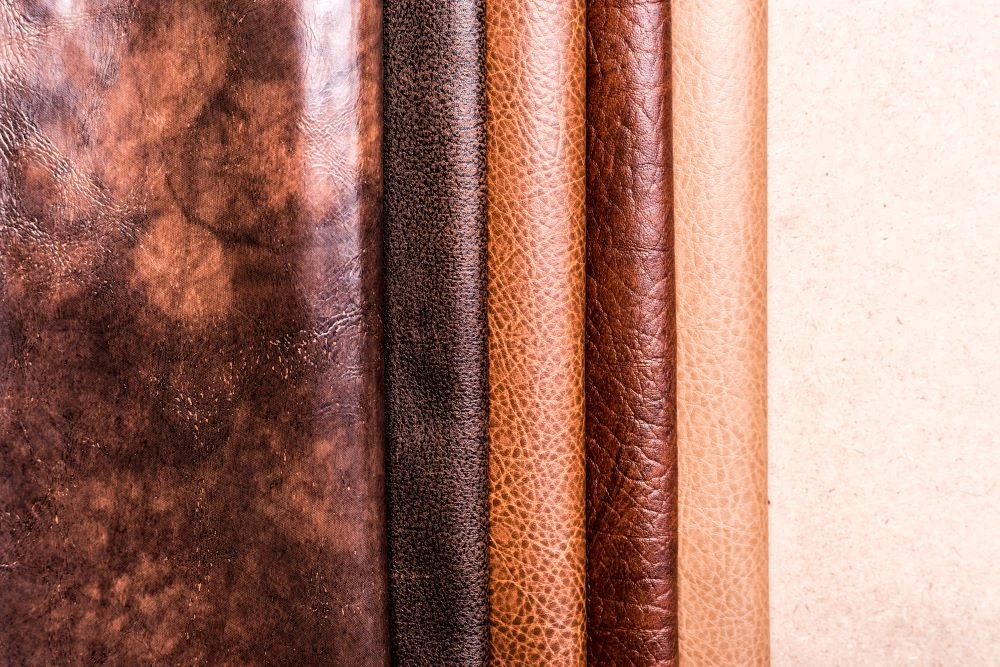
Learn more here: How to Choose the Best Brown Colour Leather Fabric for Upholstery in the UK
























Sign in to leave a comment.