
Heart rhythm disorders can significantly affect a person's daily life, making even simple activities challenging. When the heart does not beat at a normal rate or rhythm, the body may not receive an adequate supply of oxygen-rich blood. This can lead to symptoms such as fatigue, dizziness, fainting, shortness of breath, and reduced physical endurance. Fortunately, advances in cardiac technology have made it possible to effectively manage many of these conditions through the use of pacemakers.
For individuals diagnosed with rhythm-related heart conditions, a pacemaker of the heart in UAE can help restore normal cardiac function and improve overall quality of life. By regulating the heartbeat and supporting proper blood circulation, a pacemaker allows many patients to return to their daily routines with greater confidence and comfort.
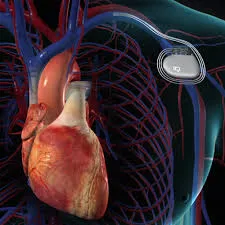
A pacemaker is a small medical device designed to monitor and regulate the heart's electrical activity. It is typically implanted under the skin near the chest and connected to the heart through specialized leads. When the device detects an abnormal heartbeat or a heart rate that is too slow, it sends electrical impulses to help maintain a healthy rhythm.
The heart relies on electrical signals to coordinate its pumping action. When these signals become disrupted, conditions such as bradycardia, heart block, or other arrhythmias may develop. These disorders can interfere with the heart’s ability to pump blood efficiently throughout the body. Pacemakers help correct these abnormalities by ensuring that the heart beats at an appropriate rate.
One of the most noticeable benefits of pacemaker therapy is improved energy levels. Many patients with slow heart rhythms experience persistent tiredness and weakness because their organs and muscles do not receive enough oxygen-rich blood. Once a pacemaker is implanted and functioning properly, blood circulation improves, often leading to increased energy and reduced fatigue.
Enhanced physical activity is another major advantage. Before treatment, some patients may avoid exercise or physical tasks due to symptoms such as dizziness or breathlessness. By helping maintain a stable heart rate, a pacemaker can improve exercise tolerance and support a more active lifestyle. Many individuals find that they can participate in activities they previously struggled to perform.
Safety is also improved through pacemaker therapy. Abnormal heart rhythms can sometimes cause sudden fainting episodes, increasing the risk of falls and injuries. A pacemaker helps reduce these risks by preventing dangerously slow heart rates and maintaining consistent cardiac function. This added sense of security often contributes to greater independence and confidence.
Mental and emotional well-being can improve as well. Living with a heart rhythm disorder can create anxiety and uncertainty, especially when symptoms occur unexpectedly. Patients often worry about their ability to work, travel, or engage in social activities. Successful pacemaker treatment can help alleviate these concerns, allowing individuals to focus more on enjoying their daily lives.
The implantation procedure itself is generally considered safe and minimally invasive. Most procedures are performed under local anesthesia, and patients are usually able to return home within a short period. Recovery times vary, but many individuals resume normal activities relatively quickly while following their physician’s recommendations.
Modern pacemaker technology continues to evolve, offering greater precision and functionality. Today's devices are smaller, more durable, and capable of adapting to a patient's activity level. Some advanced systems can automatically adjust heart rates based on physical exertion, ensuring optimal performance throughout the day.
Regular follow-up care remains essential after implantation. Cardiologists monitor device performance, battery life, and overall heart function through routine check-ups. These evaluations help ensure that the pacemaker continues to meet the patient's needs and provide effective support.
Maintaining a healthy lifestyle also contributes to long-term success. Patients are encouraged to follow heart-healthy habits, including balanced nutrition, regular physical activity, stress management, and adherence to prescribed medications. These measures support cardiovascular health and complement the benefits provided by the pacemaker.
Today, advancements in heart pacemaker surgery in UAE have enabled patients to access sophisticated treatment options delivered by experienced cardiac specialists. Modern healthcare facilities offer comprehensive care that includes diagnosis, implantation procedures, rehabilitation, and ongoing monitoring to support positive outcomes.
Many people seeking a reliable pacemaker of the heart in UAE value access to expert cardiologists, advanced medical technology, and personalized treatment plans. These factors play an important role in ensuring safe procedures and long-term patient satisfaction.
The Heart.ae is committed to delivering advanced cardiac care through innovative treatment solutions and patient-centered services. By combining medical expertise with modern technology, the center helps individuals manage heart rhythm disorders and improve their overall cardiovascular health.
In conclusion, pacemakers have transformed the lives of countless individuals living with heart rhythm disorders. By restoring normal heart function, reducing symptoms, and supporting everyday activities, these devices help patients enjoy greater independence and an improved quality of life. With proper medical care and ongoing monitoring, pacemaker therapy continues to provide effective and reliable support for long-term heart health.



























Sign in to leave a comment.