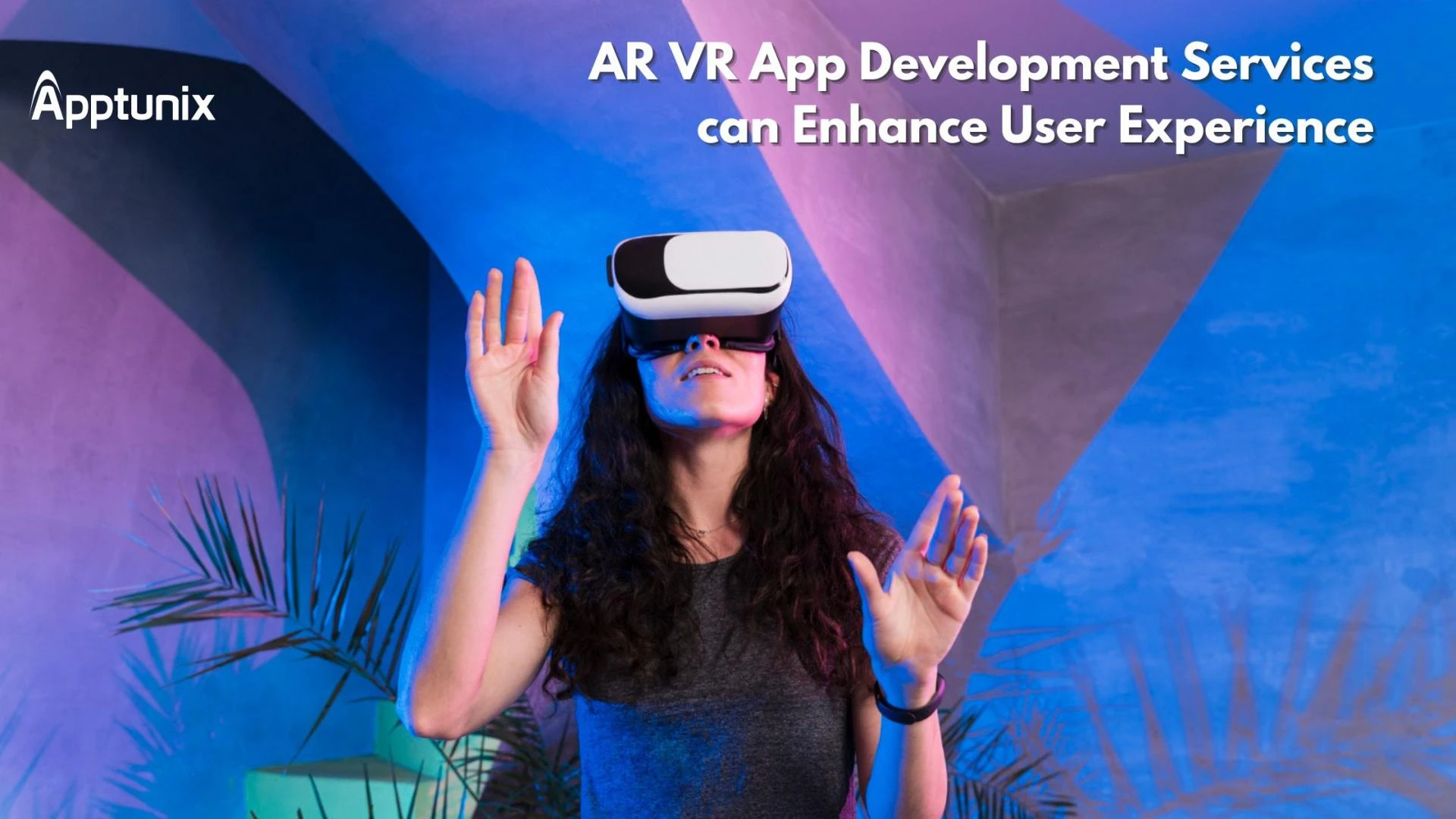

In the dynamic landscape of technology, Augmented Reality (AR) and Virtual Reality (VR) have emerged as transformative forces, reshaping the way we interact with digital content. As businesses strive to deliver unparalleled user experiences, the integration of AR VR app development services has become increasingly pivotal.
Understanding AR and VR Technologies
AR overlays digital content onto the real world, enhancing the user's perception of their environment. It integrates virtual elements, such as images, videos, or 3D models, seamlessly into the user's surroundings through a device like a smartphone or smart glasses.
With the help of VR headsets, users can explore and interact with digital spaces in a highly immersive manner.
The Impact on User Experience
1. Immersive Engagement
AR and VR technologies offer unparalleled levels of immersion, captivating users and drawing them into captivating digital experiences. Whether it's exploring virtual worlds or interacting with augmented content overlaid onto the real world, users are engaged on a deeper level, leading to heightened satisfaction and retention.
2. Interactive Visualisation
One of the key advantages of AR and VR app development services is their ability to enable interactive visualisation. From virtual product demonstrations to immersive educational experiences, these technologies empower users to interact with content in ways previously unimaginable. For businesses, this translates to enhanced communication, increased user understanding, and ultimately, higher conversion rates.
3. Personalised Experiences
AR and VR apps have the potential to deliver personalized experiences tailored to each user's preferences and behaviors. By leveraging data analytics and user insights, developers can create immersive environments that adapt and evolve based on individual interactions. This level of personalization not only enhances user satisfaction but also fosters stronger brand loyalty and advocacy.
Applications Across Industries
1. Retail and E-Commerce
In the retail sector, AR and VR technologies are revolutionising the shopping experience. From virtual try-on solutions that allow customers to visualize products before purchase to interactive showroom experiences that recreate physical stores in a digital space, these technologies are driving sales and customer engagement to new heights.
2. Education and Training
In education and training, AR and VR apps are transforming traditional learning methodologies. By simulating realistic scenarios and environments, these technologies enable immersive training experiences for learners across various fields, from medical simulations to vocational training. This not only enhances knowledge retention but also fosters experiential learning.
3. Entertainment and Gaming
In the realm of entertainment and gaming, AR and VR have opened up a world of possibilities. From immersive gaming experiences that transport players to fantastical realms to interactive storytelling experiences that blur the lines between reality and fiction, these technologies are pushing the boundaries of creativity and entertainment.
Conclusion
In conclusion, the integration of AR and VR app development services has the potential to revolutionise user experiences across industries. From immersive engagement and interactive visualisation to personalised experiences tailored to individual preferences, these technologies are reshaping the way we interact with digital content. As businesses embrace the opportunities presented by AR and VR, they can expect to drive greater engagement, foster stronger relationships with their audience, and ultimately, achieve their strategic objectives.



















Sign in to leave a comment.