
Introduction
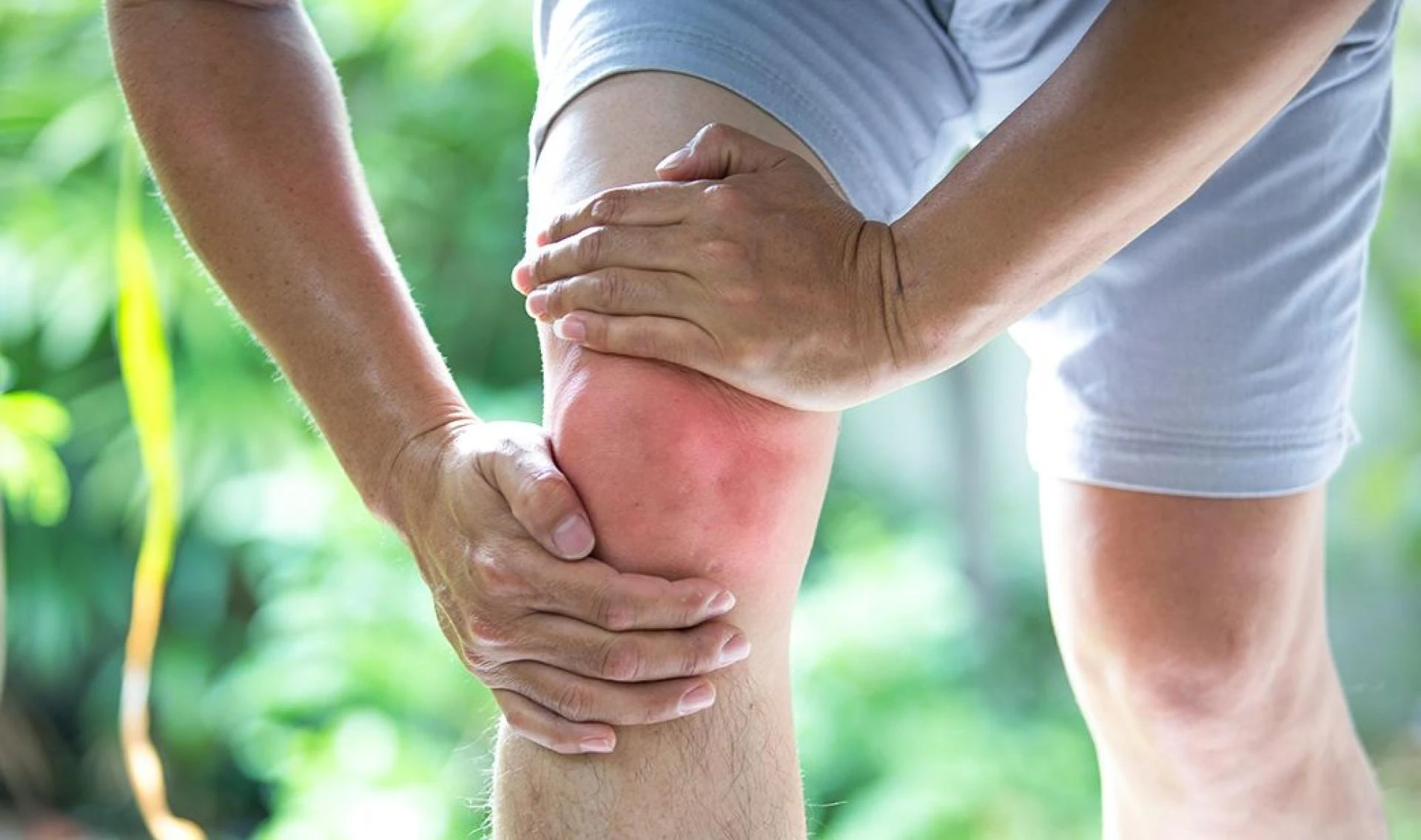
If you suffer from ongoing joint pain, you know how much it can negatively impact your quality of life. Joint pain affects mobility and prevents you from participating in activities you enjoy. The good news is that while the causes of joint pain vary, there are many ways you can actively manage and improve discomfort in your joints. Exploring lifestyle habits, at-home remedies, medical interventions, and consult with a best orthopedic doctor in mumbai can help you achieve meaningful pain relief.
Understanding What’s Causing Your Joint Pain
Getting to the root source of your discomfort empowers you to direct appropriate solutions to find relief. Common culprits behind joint pain include:
Arthritis - Osteoarthritis, rheumatoid arthritis, psoriatic arthritisInjuries - Sprains, fractures, dislocationsMechanical issues - Misalignments, muscle imbalancesInfection - Septic arthritisAutoimmune disorders - Lupus, fibromyalgiaPinpointing the specific problem area and tissues involved, such as an inflamed bursa or torn cartilage, provides helpful context for how to approach treatment.
Lifestyle Adjustments for Joint Protection
Many everyday habits can aggravate joint discomfort. Tweaking certain lifestyle factors may offer significant relief:
Manage weight - Excess weight overworks the joints and can worsen pain. Losing even a few pounds makes a difference.Exercise appropriately - Low-impact activities like swimming, cycling, and yoga build strength without further stressing joints.Improve posture and body mechanics - Poor posture misaligns the joints and taxes surrounding tissues. How you sit, stand and move your body matters.Alternate activity and rest - Allowing overworked, sore joints periods of recovery prevents overuse and allows inflammation to resolve.Use assistive devices - Braces, splints, canes and walkers realign, immobilize or offload sensitive joints to help control pain.Conservative Home Treatment Options
Many non-invasive home remedies can ease joint discomfort:
Cold/heat therapy - Ice packs reduce inflammation while warm compresses relax muscles and increase blood flow. Know when to apply cold vs heat.Massage - Hands-on joint and muscle massage techniques increase joint mobility and stimulate healing.Acupuncture - Fine needles influence chronic pain pathways and boost natural painkilling endorphins.Topicals - Capsaicin, lidocaine and CBD creams block pain reception externally. Oral NSAIDs, like ibuprofen, relieve internal joint inflammation.Supplements - Glucosamine, turmeric, Omega-3’s and avocado soybean unsaponifiables (ASU) have anti-inflammatory effects that build up over time with regular use.Braces/tape - Custom, rigid braces immobilize and protect damaged joints to limit pain signals. Kinesiology tape provides joint support and guidance.Seeking Advanced Medical Treatment
If at-home measures aren’t providing lasting relief, consulting a doctor opens access to more advanced joint pain therapies. Treatment escalation depends on diagnosis severity and typically proceeds in steps:
Initial Options:
Prescription NSAIDs or steroids - More potent versions of OTC anti-inflammatoriesHyaluronic acid injections - Lubricates arthritic knee jointsBlood or platelet-rich plasma injections - Concentrated growth factors stimulate cartilage healingIntermediate Options:
Steroid joint injections - Delivers high dose anti-inflammatories directly into joint spacesSynvisc injections - Thicker joint lubricant provides more lasting knee pain reliefAdvanced Options:
Surgery - Joint repair/replacement, arthroscopy, debridement, fusionStem cell therapy - Cultivated cells generate new cartilage and reduce inflammationMultimodal therapy using lifestyle changes, home techniques and medical treatments works best long-term. Don’t hesitate to get increasing levels of support until finding the right pain relief formula for your unique joint issues.
Learning to Protect Your Joints
Adapting daily habits to consciously protect affected or vulnerable joints prevents further damage and safeguards your mobility:
Maintain ideal weight to limit mechanical stressOptimize posture, body mechanics and lifting/bending patternsStretch and balance joint mobility and strengtheningListen to painful joint signals and stop overexertionSplint/offload joints during flaresSelect low-impact forms of exerciseUse assistive devices that aid movement and alignmentBeing proactive gives you the greatest chance of minimizing joint deterioration. Discuss sustainable joint protection strategies with your physical therapist or doctor. Committing to smart joint care maximizes function.
Conclusion
While joint pain can be frustrating, know there are always evolving options to explore for relief. Using lifestyle measures, at-home techniques, medical treatments and focusing on joint protection offers the best chance at sustainable comfort and regained mobility. Stay proactive and consult a best orthopedic doctors in chennai for your needs and don’t give up.






Sign in to leave a comment.