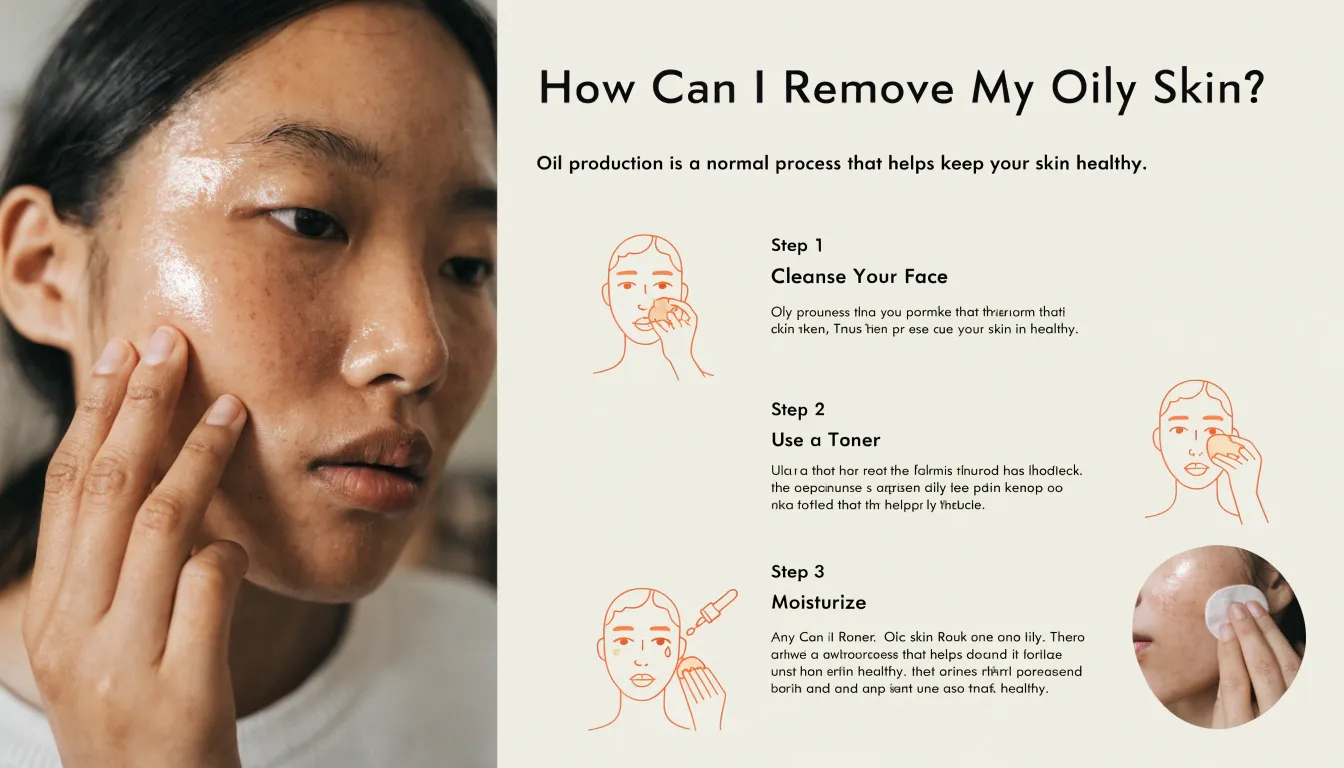

Oily skin is one of the most common skincare concerns worldwide. While natural oils are essential for keeping the skin healthy and protected, excessive oil production can cause unwanted shine, clogged pores, blackheads, and acne breakouts. Many people wonder, "How can I remove my oily skin?" The reality is that you cannot completely remove oily skin because oil production is a natural function of the skin. However, you can effectively manage and reduce excess oil to achieve a healthier, more balanced complexion.
With the right skincare routine, lifestyle habits, and products such as a lightweight Night gel for oily skin, you can keep your skin fresh, hydrated, and less greasy throughout the day.
In this article, we'll discuss the causes of oily skin, practical ways to control excess oil, and habits that support healthier skin.
What Causes Oily Skin?
Your skin contains sebaceous glands that produce sebum, a natural oil that helps protect and moisturize the skin.
Excess oil production may be caused by:
- Genetics
- Hormonal changes
- Stress
- Humid weather
- Poor skincare habits
- Overwashing the face
- Using harsh skincare products
- Certain dietary factors
Understanding the cause of oily skin is the first step toward managing it effectively.
Can Oily Skin Be Permanently Removed?
No, oily skin cannot be permanently removed because sebum production is a natural process. However, you can significantly reduce excess oil and minimize its effects.
The goal should be to:
- Balance oil production
- Prevent clogged pores
- Reduce acne
- Maintain healthy hydration
Healthy skin needs some oil to function properly.
Benefits of Managing Oily Skin
Controlling excess oil can help:
- Reduce acne breakouts
- Improve skin texture
- Minimize enlarged pores
- Reduce facial shine
- Improve makeup application
- Support overall skin health
Follow a Proper Cleansing Routine
Cleanse Twice Daily
Washing your face regularly helps remove dirt, sweat, and excess oil.
Use:
- Gentle cleansers
- Oil-free formulas
- Non-comedogenic products
Avoid washing more than twice daily, as excessive cleansing may trigger even more oil production.
Avoid Harsh Soaps
Strong soaps can strip the skin of natural moisture, causing the sebaceous glands to produce more oil to compensate.
Choose mild cleansers designed for oily skin.
Use a Lightweight Moisturizer
One of the biggest mistakes people with oily skin make is skipping moisturizer.
When the skin becomes dehydrated, it may produce more oil to compensate.
Look for:
- Gel-based moisturizers
- Oil-free formulas
- Lightweight hydration products
These products help maintain moisture without making the skin greasy.
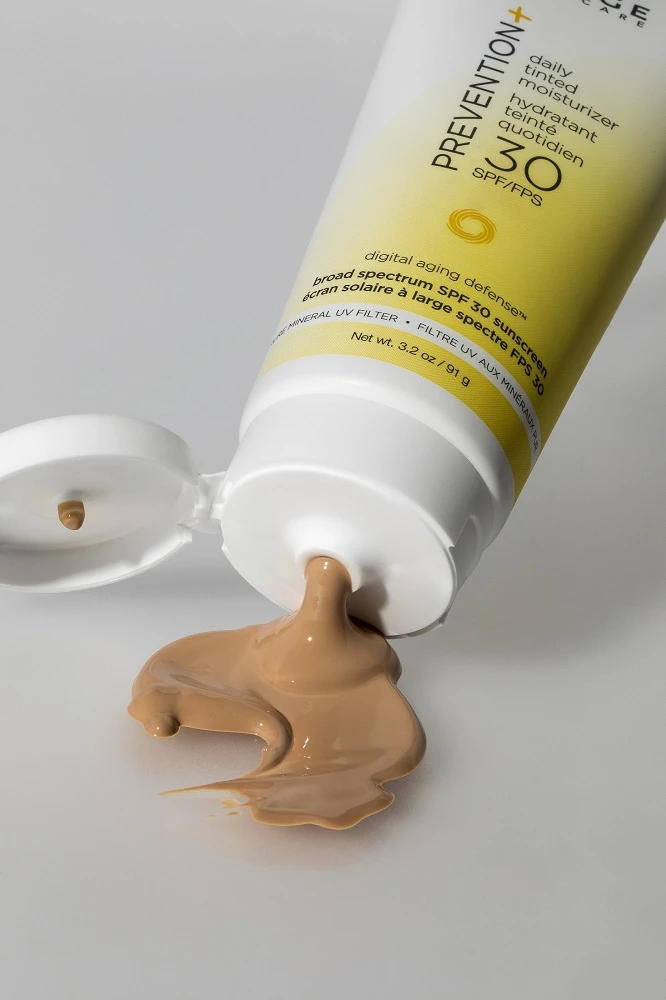
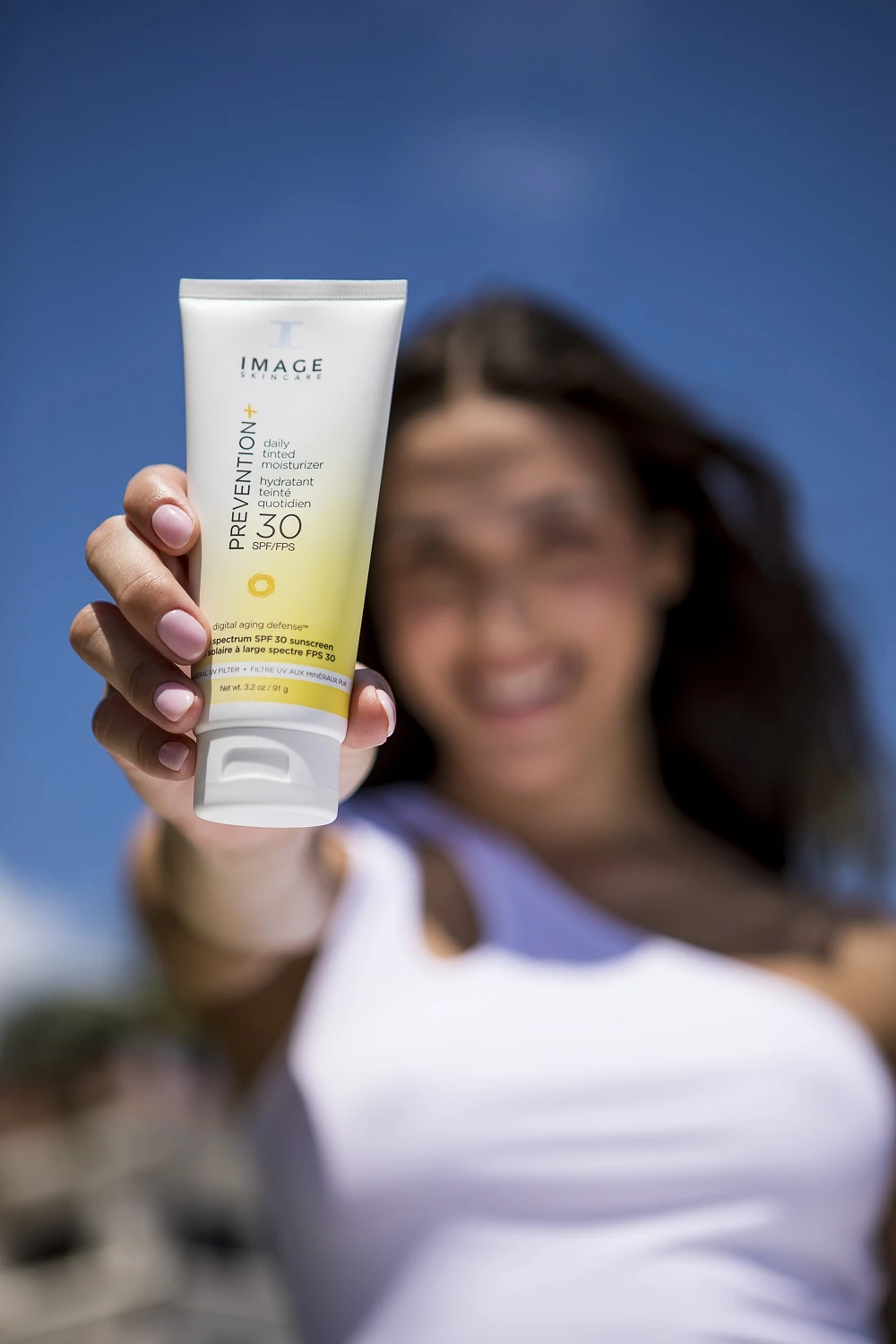
Apply Sunscreen Every Day
Many people avoid sunscreen because they fear it will make their skin oilier.
However, sunscreen is essential for protecting the skin from UV damage.
Choose:
- Oil-free sunscreen
- Gel-based sunscreen
- Non-comedogenic SPF products
Aim for SPF 30 or higher.
Home Remedies for Oily Skin
Several natural remedies may help absorb excess oil and refresh the skin.
Aloe Vera
Aloe vera offers lightweight hydration and soothing properties.
How to use:
- Apply fresh aloe vera gel
- Leave for 15–20 minutes
- Rinse thoroughly
Multani Mitti (Fuller's Earth)
This traditional remedy is widely used for oily skin.
Benefits:
- Absorbs excess oil
- Cleans pores
- Refreshes the complexion
Honey
Honey has antibacterial and moisturizing properties.
Benefits:
- Supports acne-prone skin
- Helps maintain moisture balance
- Soothes irritation
Cucumber
Cucumber provides hydration and a cooling effect.
Benefits:
- Refreshes the skin
- Reduces greasiness
- Supports hydration
Exfoliate Regularly
Exfoliation helps remove dead skin cells that can clog pores.
Benefits include:
- Smoother skin
- Fewer blackheads
- Reduced acne risk
However, avoid excessive exfoliation.
Most people benefit from:
- Once or twice weekly exfoliation
- Gentle exfoliating products
Use Ingredients That Help Control Oil
Certain skincare ingredients are particularly beneficial for oily skin.
Niacinamide
Benefits:
- Reduces excess oil
- Improves skin texture
- Minimizes pores
Salicylic Acid
Benefits:
- Unclogs pores
- Helps prevent acne
- Removes excess oil
Hyaluronic Acid
Benefits:
- Hydrates without heaviness
- Supports moisture balance
Clay-Based Masks
Benefits:
- Absorb oil
- Deep clean pores
- Refresh the skin
Foods That Support Healthy Skin
Diet can influence overall skin health.
Eat More Fresh Fruits and Vegetables
Examples include:
- Cucumbers
- Oranges
- Watermelon
- Leafy greens
These foods contain vitamins and antioxidants that support healthy skin.
Stay Hydrated
Water helps maintain overall skin balance and supports healthy bodily functions.
Reduce Sugary Foods
Excess sugar may contribute to acne and inflammation.
Limit Processed Foods
A balanced diet often supports healthier skin and overall well-being.
Lifestyle Habits That Help Reduce Oiliness
Manage Stress
Stress can trigger hormonal changes that increase oil production.
Helpful activities include:
- Meditation
- Walking
- Yoga
- Deep breathing exercises
Get Enough Sleep
Sleep allows the body and skin to recover and repair.
Aim for:
- 7–9 hours of sleep
- Consistent sleep schedules
Exercise Regularly
Physical activity supports circulation and overall skin health.
Always cleanse your skin after sweating.
Common Mistakes to Avoid
Overwashing the Face
Too much cleansing may increase oil production.
Skipping Moisturizer
Hydration is essential even for oily skin.
Using Too Many Products
An overloaded skincare routine may irritate the skin and weaken the skin barrier.
Touching the Face Frequently
Hands can transfer dirt and bacteria to the skin.
Picking at Pimples
This may worsen inflammation and increase the risk of scarring.
When to Consult a Dermatologist
Professional guidance may be necessary if you experience:
- Severe acne
- Persistent oiliness
- Painful cystic breakouts
- Skin irritation
- Scarring
A dermatologist can recommend personalized treatments and skincare solutions.
Building a Simple Routine for Oily Skin
A basic routine may include:
Morning
- Gentle cleanser
- Lightweight moisturizer
- Sunscreen
Night
- Cleanser
- Treatment serum (if needed)
- Moisturizer or gel-based night product
Consistency is often more effective than using numerous products.
Final Thoughts
While you cannot completely remove oily skin, you can successfully manage excess oil with the right combination of skincare, healthy habits, and suitable products. A gentle cleansing routine, lightweight hydration, sun protection, and balanced nutrition can make a significant difference in your skin's appearance and comfort.
Remember that oily skin is not necessarily a problem—it often ages more slowly and naturally retains moisture better than dry skin. The goal is to achieve balance rather than eliminate oil entirely.
With patience and consistency, you can enjoy healthier, clearer, and less oily skin.
FAQs:
1. Can oily skin be cured permanently?
No, oily skin cannot be permanently cured, but excess oil production can be effectively managed.
2. How many times should I wash my face if I have oily skin?
Most people benefit from washing their face twice daily with a gentle cleanser.
3. Does moisturizer make oily skin worse?
No. Using the right lightweight moisturizer can actually help balance oil production.
4. Which ingredient is best for oily skin?
Niacinamide and salicylic acid are commonly recommended for controlling excess oil and preventing breakouts.
5. Can drinking water reduce oily skin?
Hydration supports overall skin health, although it may not directly reduce oil production.
6. Are home remedies effective for oily skin?
Some home remedies, such as aloe vera and multani mitti, may help manage excess oil when used consistently.
7. Why does my skin become oily even after washing?
Overwashing or using harsh products can trigger the skin to produce more oil as a protective response.




















Sign in to leave a comment.