

Cannabis consumption has evolved significantly over the years, moving far beyond traditional smoking methods. Among the most popular modern options are candy edibles—sweet, discreet products infused with cannabis. While they deliver the same active compounds as traditional cannabis products, the experience they offer can be quite different. Understanding these differences helps users make informed choices based on their preferences and lifestyle.
What Are Candy Edibles?
Candy edibles are food products—such as gummies, chocolates, lollipops, and hard candies—infused with cannabinoids like THC or CBD. Instead of inhaling cannabis smoke or vapor, users consume the product orally. The cannabinoids are then processed through the digestive system and liver before entering the bloodstream.
Because of their familiar taste and precise dosing, candy edibles have become especially popular among users seeking a smoke-free and more controlled cannabis experience.
Traditional Cannabis Products Explained
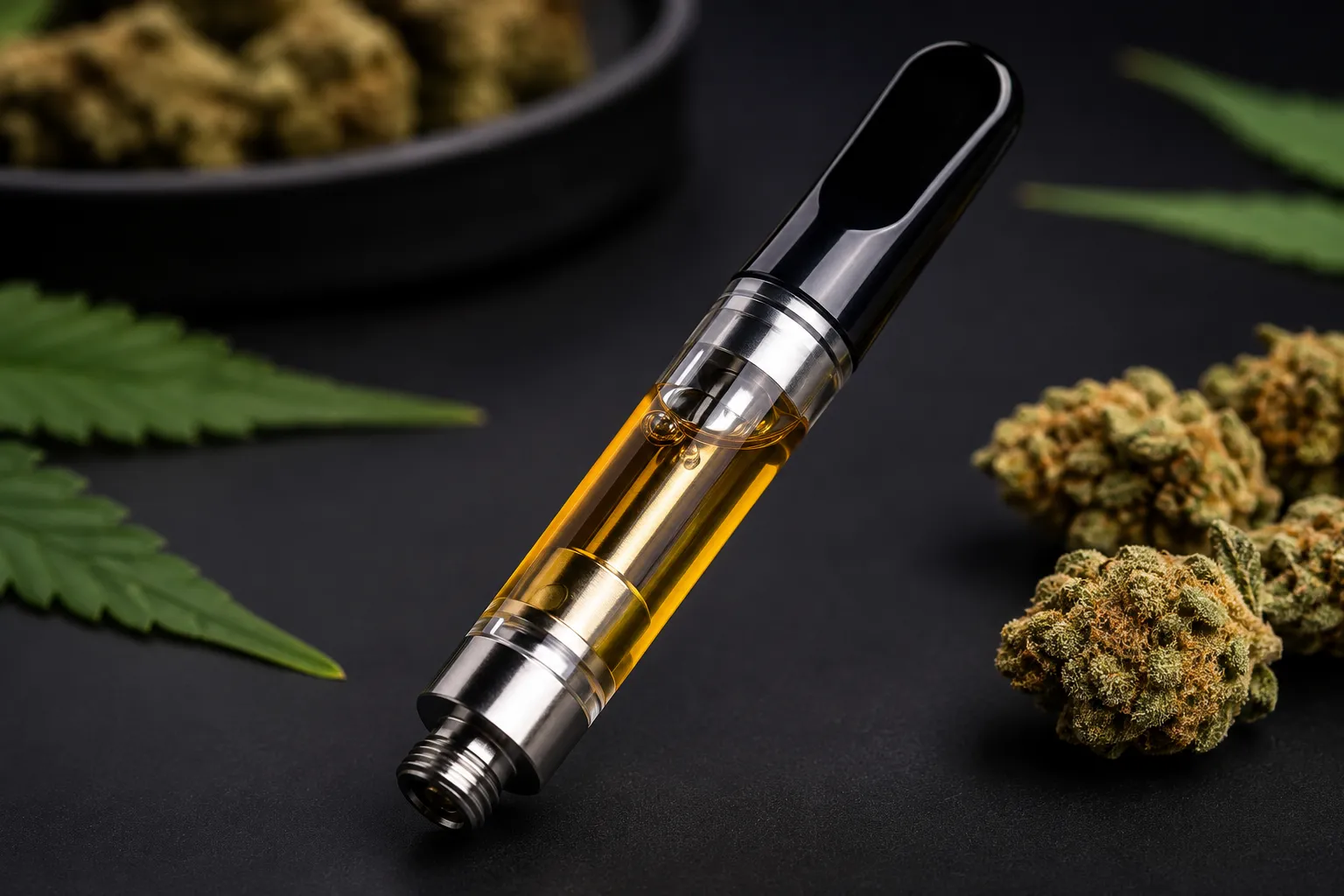
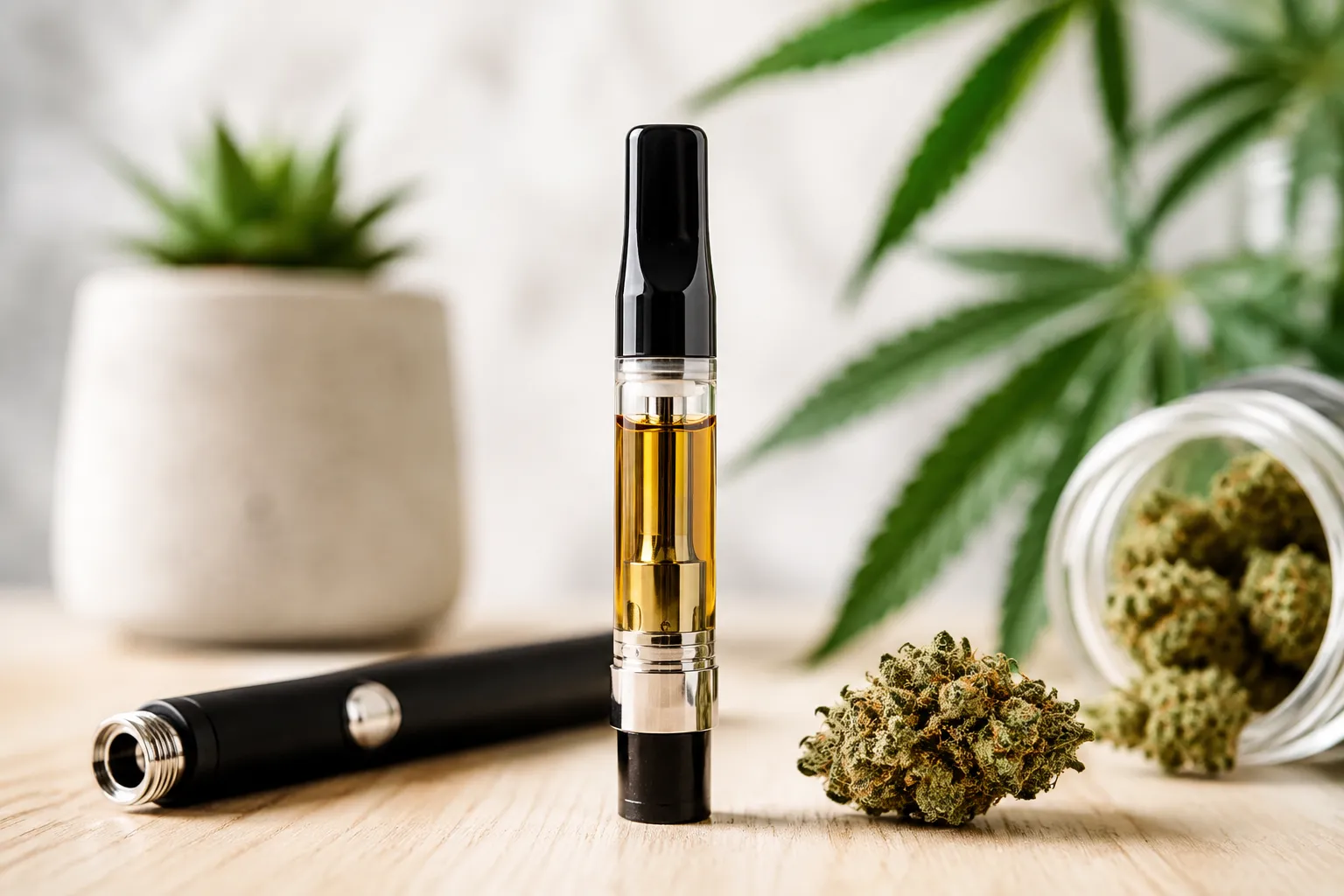
Traditional cannabis products typically refer to flower that is smoked in joints, pipes, or bongs, as well as vaporized concentrates. In these methods, cannabinoids enter the bloodstream through the lungs almost immediately after inhalation.
This rapid delivery system produces fast-acting effects, which is why many long-time cannabis users prefer traditional methods. However, smoking also comes with concerns related to odor, lung irritation, and social discretion.
Key Differences in Onset Time
One of the biggest differences between candy edibles and traditional cannabis is how quickly the effects begin.
Edibles: Effects usually take 30 minutes to 2 hours to appear because the product must be digested first.
Traditional cannabis: Effects are typically felt within seconds to a few minutes after inhalation.
While edibles require more patience, they often provide a smoother and more gradual onset once they begin working.
Duration and Intensity of Effects
Candy edibles generally produce longer-lasting effects compared to smoked cannabis. Because THC is metabolized in the liver into a more potent compound, the experience can feel stronger and more body-focused for many users.
Edibles: Effects may last 6–8 hours or more.
Traditional methods: Effects usually peak quickly and fade within 2–3 hours.
This extended duration makes edibles appealing for users seeking sustained relief or longer relaxation periods.
Dosing Precision and Control
Candy edibles often come with clearly labeled THC or CBD amounts per piece, making it easier to manage intake. This level of precision is harder to achieve with traditional cannabis, where potency can vary by strain and inhalation method.
However, the delayed onset of edibles means overconsumption is a common mistake among inexperienced users. With smoking, users can gauge effects almost immediately and adjust more quickly.
Discretion and Convenience
Candy edibles offer a major advantage in discretion. They produce no smoke, strong odor, or visible vapor, making them easier to use in situations where privacy matters. They are also portable and resemble regular candy.
Traditional cannabis products, while familiar and fast-acting, are more noticeable due to smell and equipment requirements.
Conclusion
Candy edibles and traditional cannabis products each offer unique benefits. Edibles provide longer-lasting, smoke-free effects with precise dosing, while traditional methods deliver fast, easily adjustable results. The best choice ultimately depends on personal preference, experience level, and the type of cannabis experience someone is seeking.































Sign in to leave a comment.