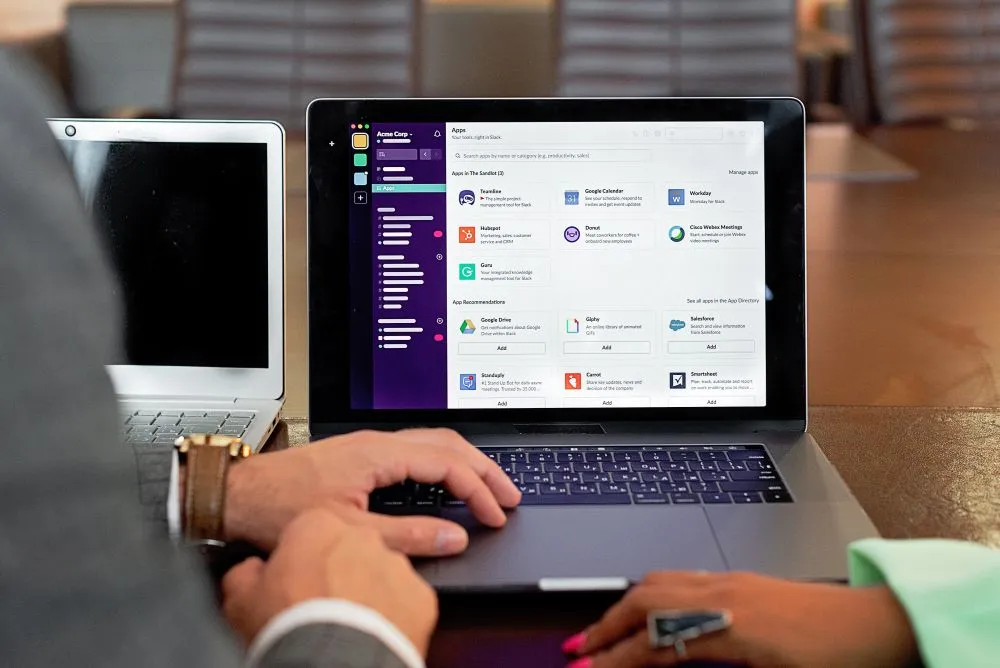

Public health systems across the world are facing growing pressure to deliver more efficient, coordinated, and patient-centered services. Increasing populations, rising chronic disease rates, and limited resources have made it essential for health agencies to adopt smarter, more scalable solutions. Technology has become a key driver of this evolution, helping organizations streamline workflows, improve data management, and enhance care delivery outcomes.
One of the most impactful innovations in recent years is the adoption of digital tools designed to organize, track, and optimize health services. These tools are reshaping operations at every level of public health, from local clinics to national programs.
Improving Data Organization and Accuracy
Public health systems manage vast volumes of sensitive and complex data, including patient records, treatment plans, and case histories. Traditional paper-based systems or disconnected digital tools often lead to errors, duplication, and inefficiencies.
Modern case management software centralizes all relevant information in one secure platform, making it easier for healthcare providers to access accurate data in real time. This improves record-keeping, reduces administrative burden, and minimizes the risk of errors that could affect patient care.
With better data organization, health professionals can quickly retrieve patient histories, track treatment progress, and make informed decisions. This level of visibility is critical for managing large populations and ensuring consistency across services.
Enhancing Collaboration Across Departments
Public health initiatives often involve multiple stakeholders, including healthcare providers, social workers, government agencies, and community organizations. Coordinating efforts across these groups can be challenging without a unified system.
Case management tools enable seamless collaboration by allowing different departments to share information and coordinate care in real time. Team members can update records, assign tasks, and communicate within the platform, ensuring everyone stays aligned.
This improved collaboration leads to more integrated care delivery. For example, a patient receiving medical treatment can also be connected to social services, mental health support, or housing assistance without delays or miscommunication.
Streamlining Workflows and Reducing Administrative Burden
Administrative tasks consume a significant portion of healthcare workers’ time. From scheduling appointments to documenting interactions, these responsibilities can take focus away from patient care.
Case management systems automate many routine processes, such as reminders, reporting, and workflow tracking. By reducing manual tasks, healthcare professionals can dedicate more time to direct patient interaction and care planning.
Automation also improves consistency and accountability. Tasks are less likely to be overlooked, deadlines are easier to manage, and supervisors can monitor performance more effectively. This leads to smoother operations and better service delivery across the board.
Supporting Better Patient Outcomes
Ultimately, the goal of any public health system is to improve patient outcomes. Technology plays a crucial role in achieving this by enabling proactive and personalized care.
With access to comprehensive data and analytics, healthcare providers can identify trends, track risk factors, and intervene early when issues arise. For instance, patients with chronic conditions can be monitored more closely, reducing hospital readmissions and improving long-term health.
Case management solutions also empower patients by improving communication and engagement. Timely updates, appointment reminders, and accessible care plans encourage individuals to stay involved in their own health journey.
Enabling Data-Driven Decision Making
Public health leaders rely on accurate data to design programs, allocate resources, and respond to emerging challenges. Without reliable insights, it becomes difficult to implement effective strategies.
Case management platforms provide advanced reporting and analytics capabilities that help organizations make informed decisions. By analyzing trends and outcomes, agencies can identify gaps in care, measure program effectiveness, and optimize resource distribution.
These insights are especially valuable during public health crises, where quick and informed decisions can have a significant impact. Real-time data allows authorities to track outbreaks, manage responses, and ensure resources are directed where they are most needed.
Strengthening Compliance and Security
Handling sensitive patient information requires strict adherence to privacy regulations and data protection standards. Public health systems must ensure that all data is secure and compliant with legal requirements.
Modern case management systems are designed with robust security features, including encryption, access controls, and audit trails. These safeguards protect patient information while ensuring that only authorized personnel can access specific data.
Compliance becomes easier to maintain with automated documentation and reporting. Organizations can quickly generate reports for audits and ensure they meet regulatory standards without additional administrative strain.
Conclusion
As public health systems continue to evolve, the need for efficient, coordinated, and data-driven solutions becomes increasingly important. Digital tools are no longer optional but essential for managing complex healthcare environments. By improving data management, enhancing collaboration, and supporting better decision making, these systems are helping organizations deliver higher-quality care while optimizing resources.


























Sign in to leave a comment.