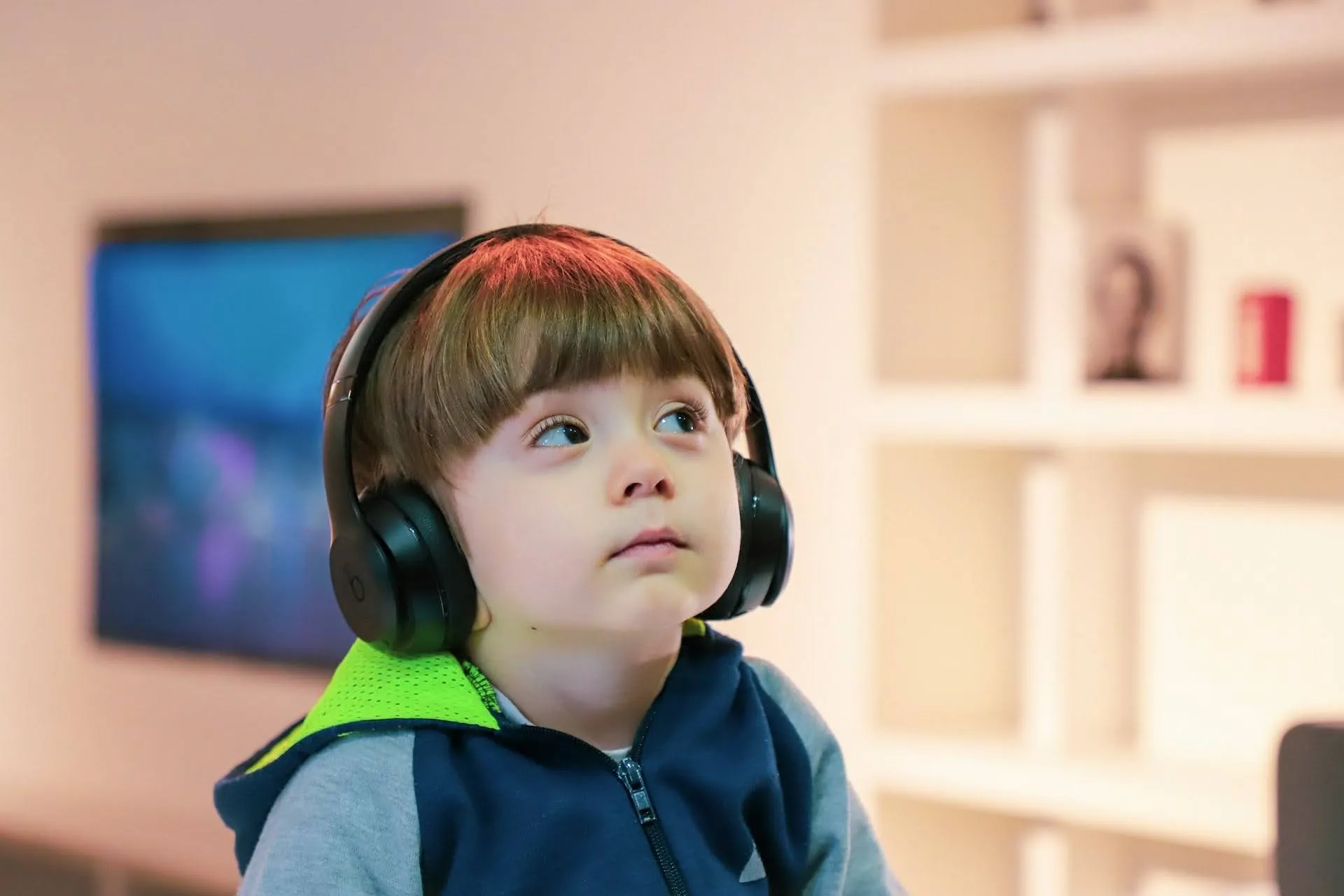

There's a moment in behavioral therapy that doesn't get written about much. It happens quietly. A child sits across from a therapist, runs into a problem they've faced a dozen times before, and instead of waiting, instead of looking up for guidance, they pause. Think. Try something. The therapist keeps her face neutral because the worst thing she could do right now is react. That pause is the whole point. Everything that came before it was in service of that pause.
The Instinct to Step In
Watch any adult with a struggling child long enough, and you'll see it. The flinch. That half-second where the adult's hand moves toward the problem before the child has had a real chance to reach for it themselves.
We wanted a clinician's perspective on this, so we spoke with Leigha Thorum, BCBA from Aviation ABA, an ABA therapy based in utah. The way she put it was direct:
"The hardest thing we coach parents and therapists on isn't a technique or a protocol, it's the pause. Our instinct is to resolve the discomfort as quickly as possible. But a child who's never been allowed to sit inside a problem long enough to try something on their own never learns that they're capable of getting through it. That pause, as uncomfortable as it looks from the outside, is where independence actually begins."
It's not malicious, the urge to step in. It comes from care. From the genuine desire to spare a child the experience of being stuck. But discomfort, it turns out, is doing a lot of work.
That is where autism therapy providers go after something called "errorless learning" on one end of a spectrum, and "error correction" on the other. Both have their place. But what neither of them quite captures is the specific value of a child sitting inside a problem long enough to start forming their own response to it. Not the prompted response. Not the modeled one. Their own.
The difference between a child who has walked through 500 problems and a child who was taught to walk through problems on their own isn't always visible in the short term. In fact, the first child often performs better in structured settings. More correct responses. Faster trials. Better data on paper.
The gap shows up later, when the therapist isn't in the room, when the problem is unfamiliar. When nobody's watching. That's when independent problem-solving either exists or it doesn't.
What "Problem Solving" Actually Means at Age Five
It's worth being precise about this, because "problem solver" is the kind of phrase that gets applied to everything and eventually means nothing.
For a five-year-old, problem-solving might look like this: the block doesn't fit, so they rotate it. The zipper is stuck, so they try pulling from a different angle. A peer has the toy they want, and instead of grabbing it, they wait or ask. These are not small things. Each one requires the child to notice a gap between what they want and what currently exists, generate at least one possible response, act on it, and evaluate the result.
That's a cognitive loop. And for many children, particularly those with developmental differences, any one of those steps can be where things break down.
ABA gives us the tools to figure out exactly which step. Is the child not noticing the gap? Are they noticing it but freezing? Are they generating responses, but only one or two? Are they acting but not evaluating? The granularity is the point. You can't teach problem-solving as a monolith. You have to find the leak.
How Reinforcement Actually Builds This Skill
Here's where I think a lot of well-intentioned programming goes slightly wrong. Reinforcement in ABA is precise. A child performs a target behavior, and something meaningful follows immediately. That loop, repeated enough, builds behavior. But when the target behavior is "solve this problem," the reinforcement has to be calibrated carefully, because what you're reinforcing matters enormously.
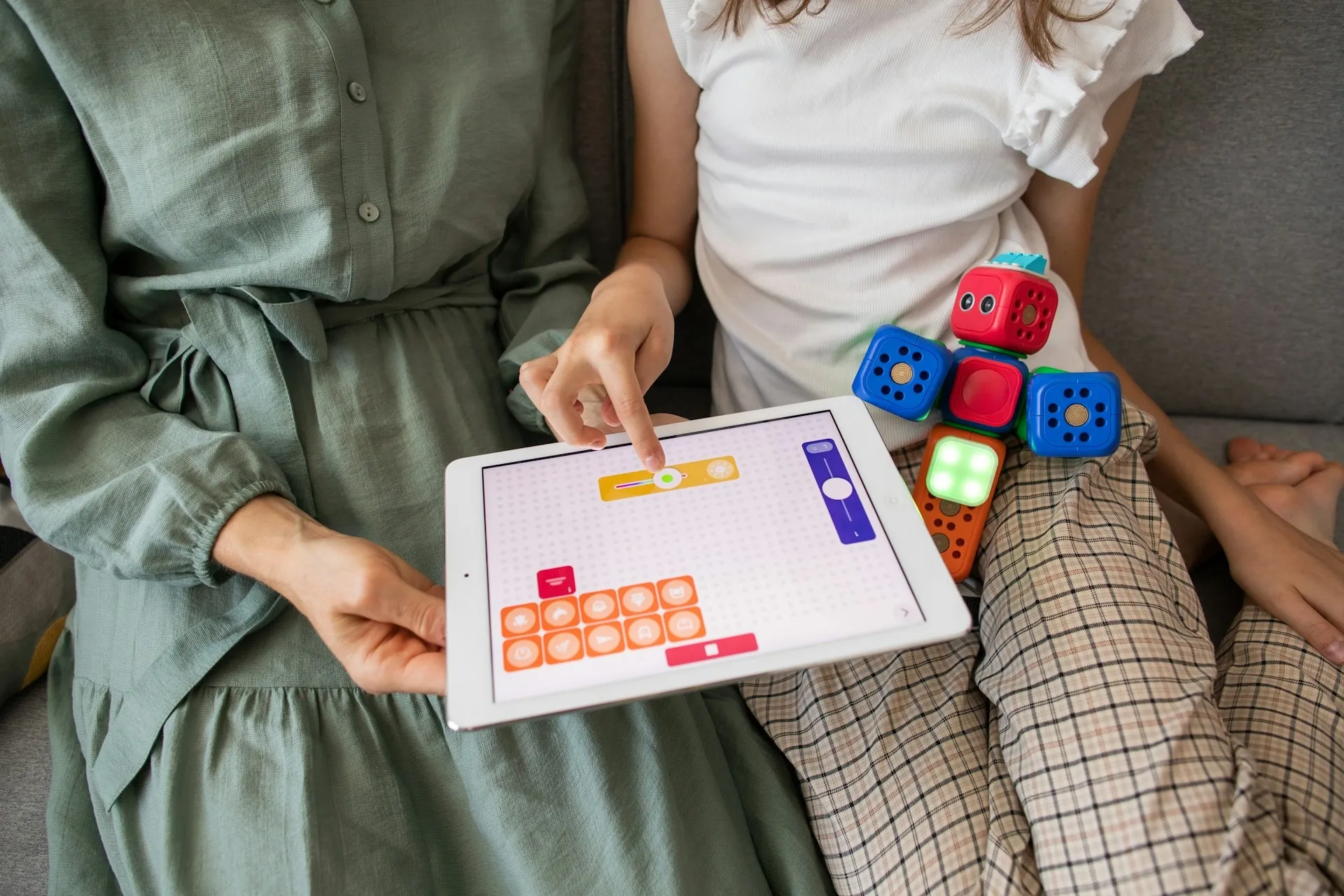
If a child struggles with a puzzle and an adult jumps in after ten seconds and completes it, the child has just been reinforced for struggling, not for attempting. If a child gets the same level of praise for getting the right answer with three prompts as they do for getting it independently, the data might look fine, but the skill isn't actually building.
The reinforcement has to follow the attempt. The thinking. Even the wrong answer that came from actual reasoning deserves a different response than the correct answer that came from waiting for a prompt.
This is harder to implement than it sounds, because it requires adults to genuinely tolerate a child's discomfort. To believe that the frustration on the child's face is not a problem to be solved but a process to be supported. Most adults are not naturally good at this. It takes practice, probably as much practice as anything we ask of the children we work with.
The Prompt Dependency Problem Nobody Likes Talking About
There's an uncomfortable dynamic that develops in some behavioral programs, and it goes like this: a child becomes very good at performing skills when prompted, and very poor at performing them without prompts. They learn, essentially, that waiting is a better strategy than trying. This is called prompt dependency, and it happens gradually, usually without anyone intending it.
It develops when prompts are given too quickly, before the child has had adequate time to respond independently. It develops when the same level of support is maintained past the point where it's necessary. It develops when the goal is a correct response rather than an independent one.
The fix is prompt fading. The deliberate, systematic reduction of support over time, timed carefully so that the child stays within their capability but is consistently being stretched just beyond their current independent level. It's not dramatic. It looks like waiting an extra three seconds before prompting. It looks like dropping from a physical prompt to a gestural one. Small adjustments. But they compound.
A child who has never experienced the discomfort of not knowing what to do next has never had to develop the internal resources to handle it. Prompt fading is how you create that experience safely, within a structure where the child is likely to succeed.
What a Problem-Solving Curriculum Actually Looks Like
Some behavioral programs treat problem-solving as a generalization goal: teach the component skills, assume they'll integrate. Others target it directly. In my experience, neither alone is sufficient.
The component skills matter. A child who can't communicate wants, tolerate frustration, attend to a task, or recognize a mistake isn't ready to problem-solve independently, regardless of how many "problem-solving" sessions they sit through. Those foundations have to exist.
But the integration also has to be taught, not assumed. Explicitly. With real scenarios, not just contrived ones. A spilled cup. A friend who doesn't want to play the game they proposed. A worksheet with instructions they don't understand. These situations produce something artificial, structured practice can't: genuine uncertainty. And genuine uncertainty is the actual test.
Some of the most useful sessions I've seen involve deliberately creating mild problems in natural settings and then stepping back. Not completely, there's still support available, but receded enough that the child has to make the first move. What happens in that space tells you more about where the child actually is than any formal assessment.
On Independence and What We're Actually After
There's a version of "independent problem solving" that looks good on paper but amounts to a child who's learned a rigid sequence of steps and applies them mechanically to every situation, whether or not the steps fit. That's not problem-solving. That's a script wearing the costume of one.
Real problem-solving flexibility shows up in novel situations. In the gap between what was taught and what's currently happening. That gap will always exist because the world doesn't arrange itself according to the scenarios we practiced.
What ABA at its best teaches is not a fixed set of solutions but a relationship with problems. A tolerance for not immediately knowing. A habit of trying anyway. A capacity to evaluate what happened and adjust. These aren't separate skills. They're one skill, assembled slowly over a long time, from a lot of small moments where an adult resisted the urge to step in.
The Role of Failure in All of This
Let's be direct about something. Children need to fail at things. Not catastrophically. Not in ways that are overwhelming or demoralizing. But regularly, within manageable limits, in front of someone who isn't going to panic about it.
Failure is data. For the child, it's information about what didn't work and an implicit invitation to try something different. For the therapist or parent, it's a window into where the child's current strategy breaks down. Numerous scientists spent decades studying how children respond to challenges, and Carol Dweck is one of them. As she famously observed:
"Becoming is better than being."
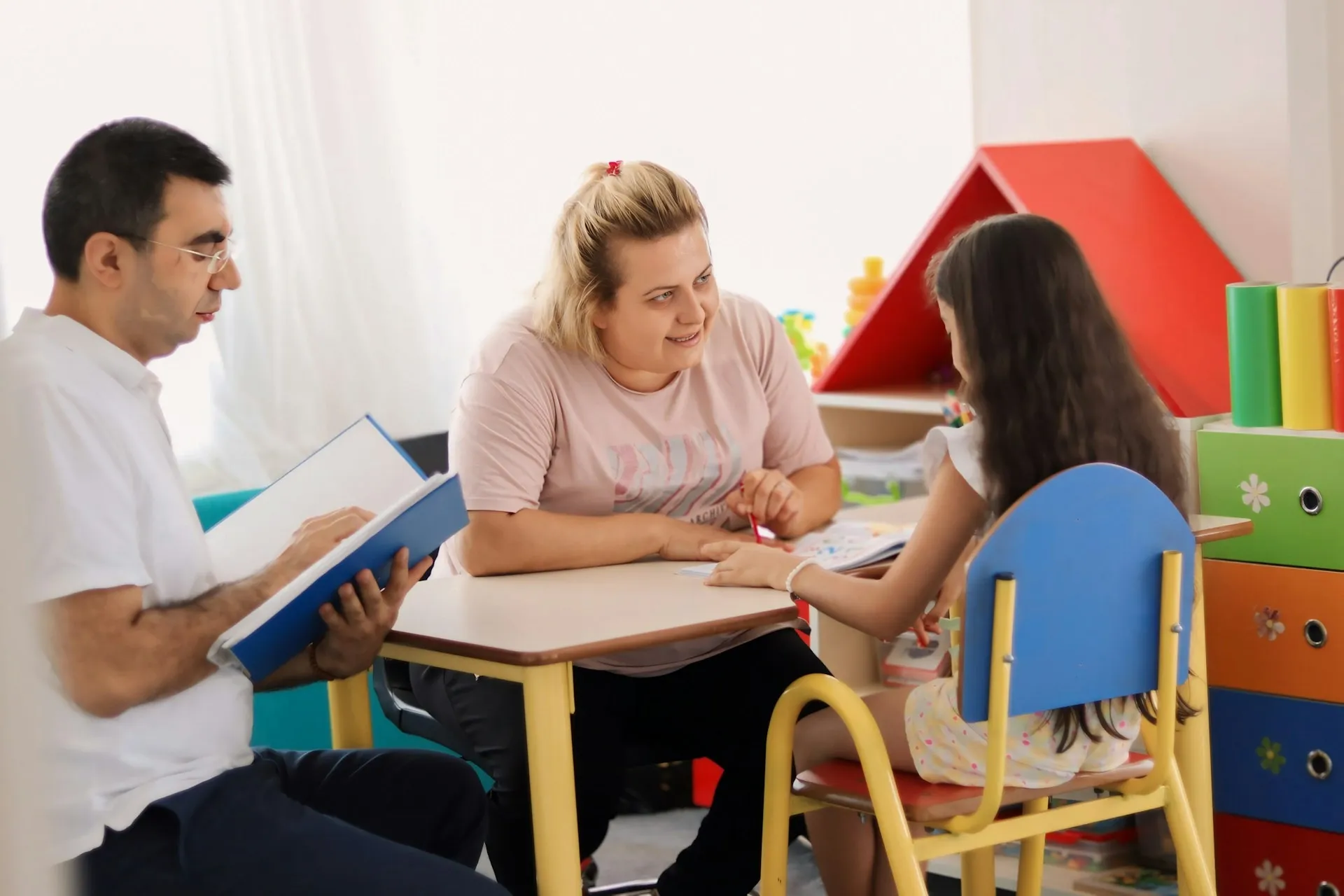
That idea sits at the heart of problem-solving development. Children do not build resilience, flexibility, or confidence by always getting the right answer immediately. They build those qualities by encountering obstacles, experimenting with different approaches, and learning that temporary setbacks are part of the process rather than evidence that they cannot succeed.
The goal is not to engineer failures, but it's also not to engineer an environment so supportive that failures never occur. That environment doesn't actually help. It just postpones the moment of reckoning.
Children who've been allowed to fail in small ways, recover, and try again tend to approach new problems differently than children who've always been caught before they fall.
The Long Game
Problem-solving independence doesn't arrive one day complete and fully formed. It accretes. Layer by layer, situation by situation, over the years.
A child who, at seven, can ask for help when stuck is ahead of where they were at five, when they could only shut down. A child who, at ten, can try two different approaches before asking for help is ahead of where they were at seven. The benchmarks keep shifting because the problems keep getting bigger. School gets harder. Relationships get more complicated. The world asks more.
What ABA can do, done well, is build the foundation early enough and solidly enough that the child has something to stand on when those bigger challenges arrive. Not a guarantee. Not a formula. Just a child who's had enough practice sitting inside a problem to believe, somewhere in themselves, that they're capable of getting through it.
That belief is probably the most important thing. It's also the hardest to measure, which is maybe why we don't talk about it as much as we should.






















Sign in to leave a comment.