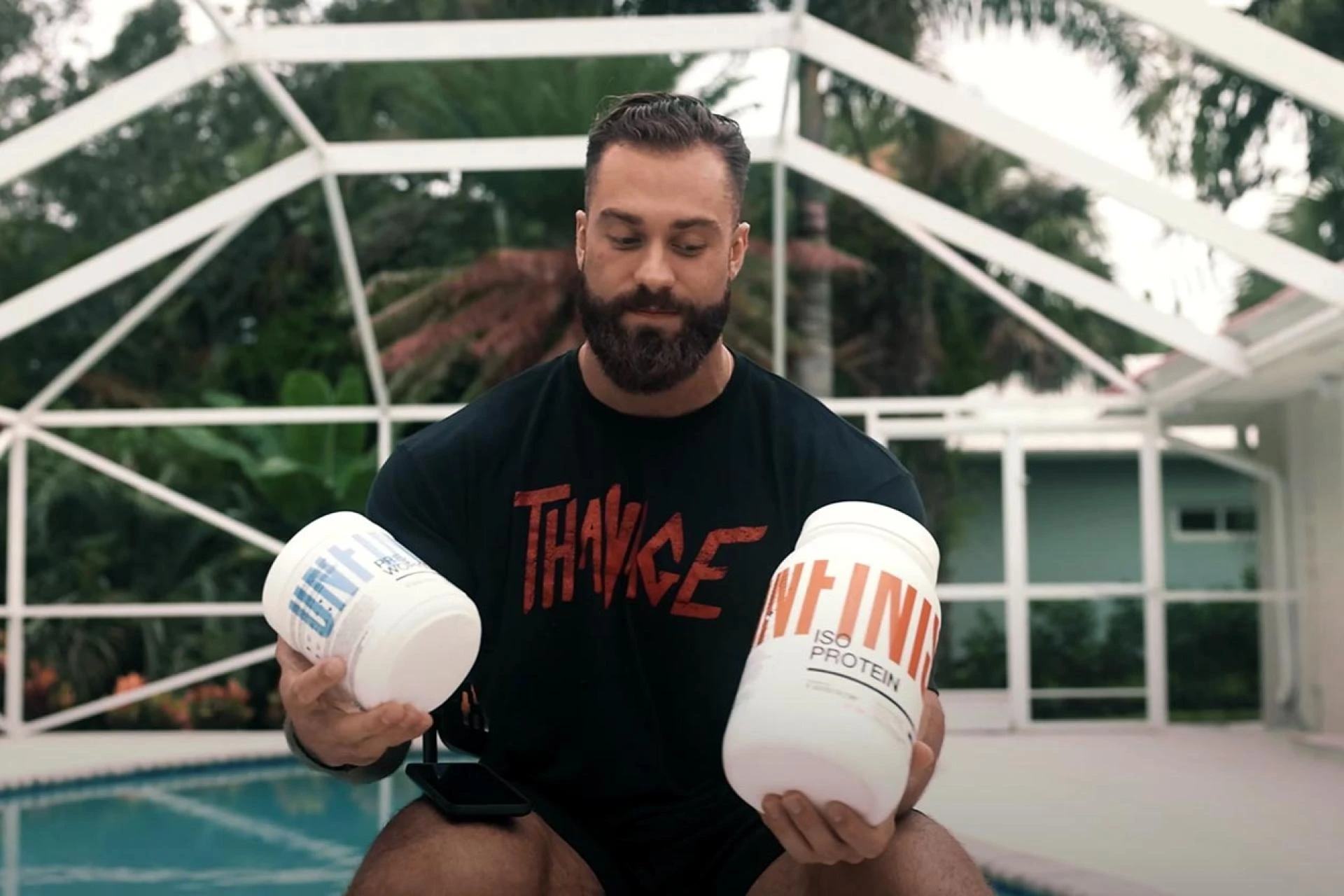

If you’ve followed the career of Chris Bumstead (often known as “Cbum”), you’ll know he’s much more than just a multiple-time winner of the Classic Physique division of Mr. Olympia. He’s also become a thoughtful voice in how elite bodybuilders approach the day-to-day of nutrition, recovery, and supplementation. From fine-tuning his macros to prioritizing sleep and using science-backed Chris Bumstead supplements, here’s how he balances these three pillars—and how we can take lessons from what he does.
Nutrition: Fueling for muscle, then refining for recovery
For Chris, nutrition is far more than just “eat a lot” or “cut a lot.” He divides his approach into phases (off-season bulking, contest cut) but also emphasises quality, gut health and consistency. For example:
- During his off-season he reported eating around 3,500 calories at one point (while weighing ~253 lb) as part of a plan to build or maintain muscle without gaining excess fat.
- In a cutting phase, he shared a diet under 3,000 calories with each meal carefully structured (e.g., meal 1: ~619 cal, 64 g protein; meal 2: 450 cal, 46 g protein).
- Importantly, he stresses that it's not just about calories or macros, but food quality—grass-fed beef, avoiding “just eating junk” because it’s high calorie.
- He also refined his breakfast shake to address gut health: blueberries, bone broth protein, creatine, MCT oil, and doctor-prescribed gut-supportive ingredients like glutamine and licorice root.
His mantra around nutrition: get enough protein, eat enough calories for your goal (growth vs cut), but don’t neglect food quality, digestion, gut health—and eat in a way you can sustain rather than shocking your body each season.
Recovery: Sleep, rest, and system maintenance
Chris emphasises that recovery is not an optional extra—especially at his level. He uses three “pillars” which he described as “Build”, “Fuel” and “Focus” (training, nutrition/recovery, mindset).
Some of his recovery habits include:
- Priority on sleep. He says a “better, healthier, rested body is also able to grow more”.
- Gut health and low inflammation: given his autoimmune diagnosis (IgA nephropathy) and past gut issues, he changed his approach to emphasise foods and habits that reduce systemic stress.
Using ancillary recovery modalities: in that GQ profile he mentioned sauna & cold plunge 2-3 times/week, deep-tissue massage, even stem cell treatments to bring down inflammation.
The key takeaway: his idea of recovery isn’t just “rest the muscles” but also rest the nervous system, minimise inflammation, look after digestion, and manage stress. For anyone trying to replicate, it means acknowledging that training hard is only half the equation—how you recover matters.
Supplements: Strategic, not excessive
Chris is clear that supplements are not magic—but when used correctly they support his training, nutrition and recovery. Some of his key notes:
- He mentions the bedrock of his stack: whey protein isolate, creatine (5-10 g/day), omega-3 for joints/inflammation.
- For sleep & mental recovery: he takes magnesium, inositol and theanine at night.
- He emphasises that you can’t replace good food: “To get in your protein goals … through just meat is very challenging.”
- He also uses fibre supplements (for digestion), multivitamins, fish oil, vitamin B complex etc as part of his stack.
Crucially: he states that there is no secret pill to success—hard work, consistency and attention to the details of nutrition/recovery still matter most.
How it all comes together
What makes Chris’ approach stand out is how he links the three elements—nutrition, recovery and supplementation—in a balanced loop rather than treating them separately.
- Nutrition fuels the training and recovery process. Without sufficient protein, calories and good food quality, the muscles won’t grow and the body will struggle to recover.
- Recovery ensures the nutrition and training pay off. Sleep, gut health, low inflammation and external recovery modalities allow the body to repair, adapt and grow stronger.
- Supplements fill strategic gaps—but they don’t replace the basics. Whey helps hit protein goals, creatine supports strength, magnesium/theanine help recovery, fibre helps digestion—but they are supporting acts, not the lead.
For example: if Chris keeps protein high and food quality strong, he follows with sleep and low inflammation practices, and he uses his supplements as tools rather than band-aids. The synergy of all three allows him to maintain elite performance, even managing health conditions like autoimmune issues with more sophistication.
Practical lessons you can take away
Even if you’re not aspiring to Olympia level, the following ideas from Chris’ approach are worth adopting:
- Focus on protein and whole food quality. Make sure you’re getting enough high-quality protein (eggs, chicken, beef, fish) and don’t just rely on “I’ll make up with supplements”.
- Structure your eating around your goals. Whether you’re trying to build muscle or cut fat, adjust calories and macros accordingly—but keep food quality consistent.
- Prioritise recovery. Don’t treat sleep, stress, gut health and inflammation as secondary. They are foundational if you want training and nutrition to work.
- Use supplements smartly. Choose ones that support your specific needs (protein powder, creatine, omega-3, magnesium, etc) but know they won’t compensate for bad food or poor rest.
- Be consistent and patient. Chris emphasises it’s not about shortcuts. Whether it’s his diet, sleep or supplementation—consistent application beats short bursts of extreme effort.
Final thoughts
Chris Bumstead’s success is a reflection of structure, consistency, and self-awareness. His balance between nutrition, recovery, and supplements shows that greatness comes from mastering the basics with discipline.
For those seeking to improve their own routines, platforms like RoutinesClub offer insight into how champions like Chris structure their daily habits — from meal timing to sleep optimization. Just like Chris, you can craft a balanced lifestyle that supports your personal fitness goals.
In the end, Chris Bumstead’s journey teaches one simple truth: discipline, balance, and smart routines are what separate good athletes from great ones.






























Sign in to leave a comment.