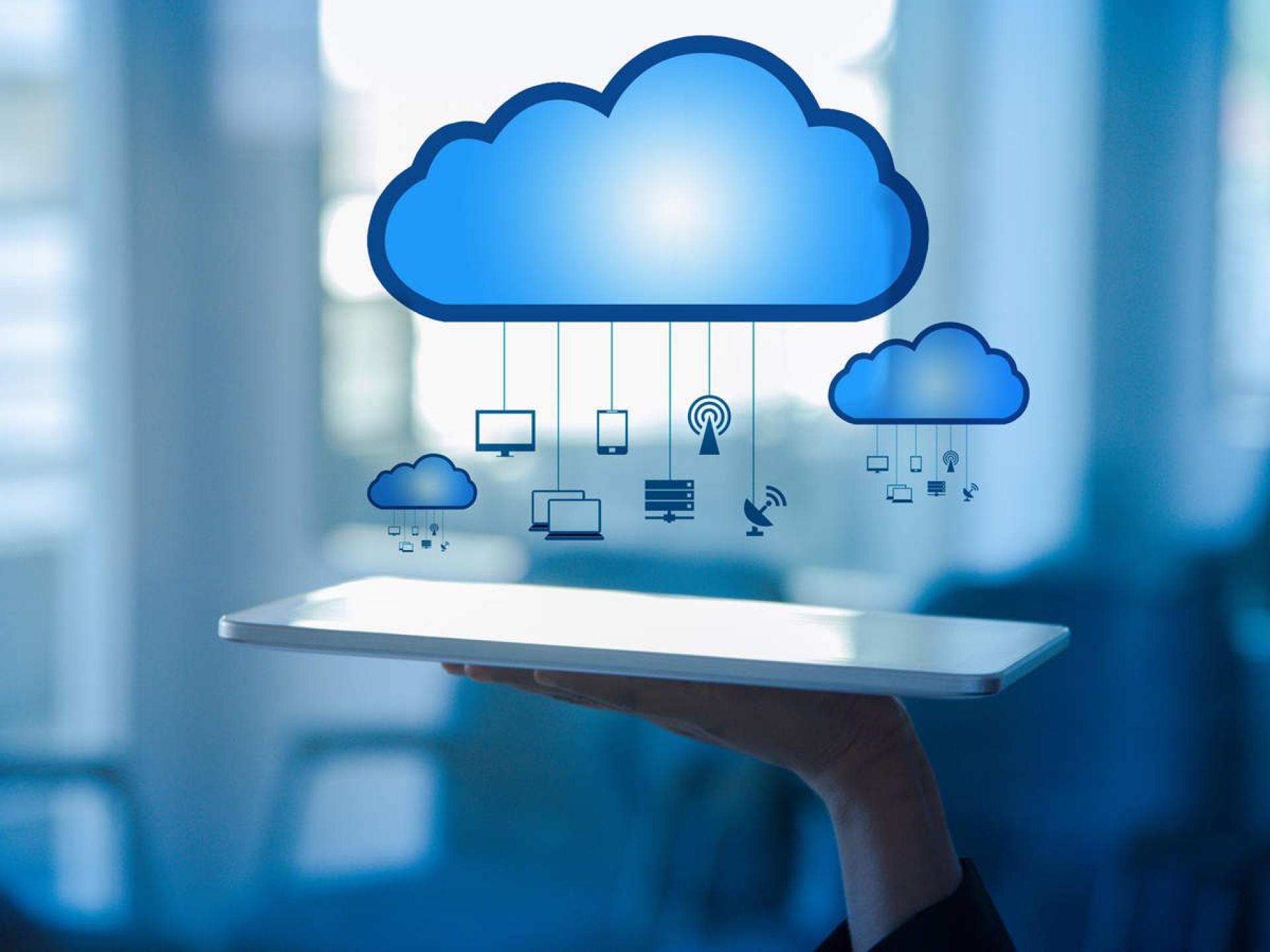

Financial management has always been a critical function for businesses, but the way it is handled has evolved significantly over the past decade. Traditional accounting methods, often dependent on manual processes and on-premise software, are gradually being replaced by more agile and intelligent solutions. Among these innovations, cloud accounting software has emerged as a transformative force, reshaping how organizations manage, analyze, and optimize their financial operations.
This shift is not merely about convenience; it represents a fundamental change in how financial data is accessed, processed, and used for decision-making.
Understanding Cloud Accounting Software
Cloud accounting software refers to accounting systems that operate on remote servers and are accessed through the internet. Instead of installing software on a local computer or server, users log in via a web browser or application. All financial data is securely stored in the cloud, allowing authorized users to access real-time information from anywhere.
This model contrasts sharply with traditional accounting software, which often requires physical infrastructure, manual updates, and limited access. Cloud-based systems are designed to be flexible, scalable, and continuously updated, making them suitable for businesses of all sizes.
Real-Time Financial Visibility
One of the most significant ways cloud accounting software is transforming financial management is through real-time visibility. In traditional systems, financial reports are often generated after delays caused by manual data entry or batch processing. Cloud platforms update records instantly as transactions occur.
This real-time access enables business owners and finance teams to monitor cash flow, track expenses, and review income without waiting for month-end reports. Having up-to-date financial data supports faster and more informed decision-making, which is especially valuable in dynamic business environments.
Improved Accuracy and Reduced Errors
Manual accounting processes are prone to human error, whether due to duplicate entries, calculation mistakes, or overlooked transactions. Cloud accounting software reduces these risks through automation. Tasks such as invoice generation, bank reconciliation, tax calculations, and expense categorization can be automated, minimizing the need for repetitive manual input.
Automation not only improves accuracy but also ensures consistency across financial records. With fewer errors, businesses can maintain cleaner books and reduce the likelihood of compliance issues or financial discrepancies.
Enhanced Collaboration Across Teams
Modern financial management often involves collaboration between multiple stakeholders, including accountants, finance managers, auditors, and business owners. Cloud accounting software makes collaboration seamless by allowing multiple users to access the same data simultaneously.
Role-based permissions ensure that users only see information relevant to their responsibilities. Accountants can review transactions, managers can analyze reports, and business owners can monitor performance all without exchanging spreadsheets or waiting for updates. This level of collaboration improves transparency and reduces communication gaps.
Scalability for Growing Businesses
As businesses grow, their financial needs become more complex. Traditional accounting systems may struggle to scale, requiring costly upgrades or system replacements. Cloud accounting software, however, is inherently scalable.
Businesses can easily add new users, integrate additional features, or expand transaction volumes without significant infrastructure changes. This scalability allows organizations to align their financial systems with growth, ensuring continuity and efficiency at every stage.
Cost Efficiency and Reduced IT Dependency
On-premise accounting software often involves high upfront costs, including licensing fees, server maintenance, and IT support. Cloud accounting software typically operates on a subscription model, spreading costs over time and reducing the need for expensive hardware.
Additionally, system updates, security patches, and backups are handled by the service provider. This reduces dependency on in-house IT teams and allows businesses to focus resources on core operations rather than technical maintenance.
Data Security and Compliance
Security is a common concern when financial data is stored online. However, reputable cloud accounting software providers invest heavily in data protection measures. These include encryption, multi-factor authentication, secure data centers, and regular security audits.
Cloud platforms also help businesses stay compliant with accounting standards and regulatory requirements by automatically updating tax rules and financial reporting frameworks. Centralized data storage with controlled access further reduces the risk of data loss or unauthorized use.
Smarter Insights Through Analytics
Beyond basic bookkeeping, cloud accounting software offers advanced reporting and analytics tools. Users can generate customizable financial reports, track key performance indicators, and identify trends that impact profitability.
These insights empower businesses to move from reactive financial management to proactive planning. By analyzing historical data and current performance, organizations can forecast future outcomes and make strategic adjustments with confidence.
The Future of Financial Management
The adoption of cloud accounting software reflects a broader shift toward digital transformation in finance. As technologies like artificial intelligence and machine learning continue to integrate with cloud platforms, financial management will become even more predictive, automated, and strategic.
Businesses that embrace these tools early are better positioned to adapt to market changes, manage risks, and maintain financial resilience.
Conclusion
Cloud accounting software is no longer a luxury it has become a practical necessity for modern financial management. By offering real-time visibility, improved accuracy, enhanced collaboration, and scalable solutions, it fundamentally changes how businesses handle their finances. Platforms like TrueAccounts illustrate how cloud-based systems can support organizations in building efficient, transparent, and data-driven financial processes. As adoption continues to grow, especially in emerging digital markets, solutions such as Cloud Accounting Software Pakistan are set to play a crucial role in shaping the future of financial management.
































Sign in to leave a comment.