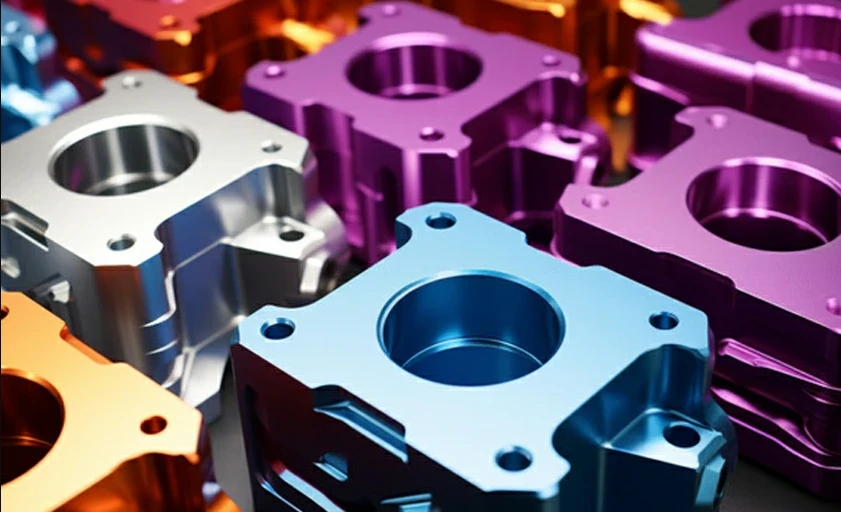

CNC machining services have transformed the manufacturing industry by enhancing production efficiency in numerous ways. These automated systems allow businesses to produce complex and high-quality parts at a much faster rate compared to traditional methods. By reducing human error, optimizing material usage, and enabling continuous operation, CNC machining ensures that manufacturers can meet increasing demands while maintaining precision and consistency. Whether for small-scale production or mass manufacturing, CNC technology plays a vital role in streamlining operations and improving overall productivity.
Automation Reduces Production Time
One of the most significant ways CNC machining improves efficiency is through automation. Unlike manual machining, which requires constant operator intervention, CNC machines operate based on pre-programmed instructions. Once the design and parameters are set, the machine can execute tasks without the need for continuous human supervision. This automation significantly reduces production time, as machines can work continuously, even outside of regular working hours. With faster cycle times and minimal downtime, manufacturers can increase their output and reduce overall lead times.
Precision and Consistency in Manufacturing
CNC machining services offer an unmatched level of precision, ensuring that every part produced meets exact specifications. Traditional machining methods rely heavily on the skill of the operator, leading to potential inconsistencies between parts. In contrast, CNC machines follow computer-controlled instructions, resulting in uniformity across all production runs. This consistency is particularly important in industries like aerospace, medical, and automotive, where even the slightest deviation can affect performance and safety. By eliminating variations, CNC machining improves reliability and reduces the need for rework.
Waste Reduction and Material Optimization
Efficient material usage is another key advantage of cnc machining services. Traditional manufacturing processes often generate a significant amount of waste due to manual cutting and shaping. In contrast, CNC machines optimize material use by following precise digital designs, reducing unnecessary waste. Additionally, advanced software allows manufacturers to simulate machining processes before actual production, helping identify potential inefficiencies. This not only cuts down on material costs but also contributes to sustainable manufacturing practices by minimizing resource consumption.
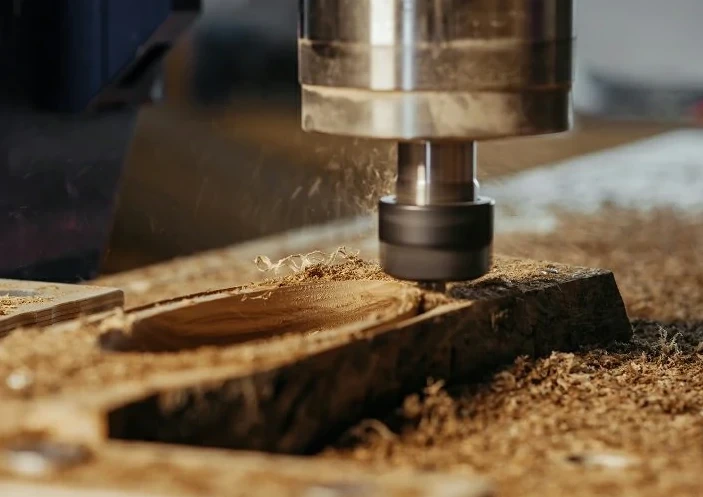
Multi-Tasking Capabilities Enhance Productivity
Modern CNC machines are equipped with multi-axis functionality, allowing them to perform multiple operations in a single setup. In conventional machining, switching between different tasks—such as drilling, milling, and turning—often requires repositioning the workpiece, which slows down production. CNC machines, especially those with 5-axis capabilities, can perform complex machining tasks in one go without manual adjustments. This ability to handle multiple operations simultaneously boosts productivity and reduces labor-intensive steps, leading to faster production cycles.
Lower Labor Costs and Increased Workforce Efficiency
CNC machining reduces the reliance on manual labor, allowing businesses to operate more efficiently with fewer workers. Unlike traditional machining, which requires skilled operators for each machine, a single technician can oversee multiple CNC machines at once. This automation lowers labor costs while allowing skilled workers to focus on more strategic tasks such as programming, maintenance, and quality control. By reallocating human resources effectively, manufacturers can maximize efficiency and reduce overall operational costs.
Scalability for Mass Production
For businesses looking to scale production, CNC machining offers the flexibility to meet varying demand levels without compromising quality. Whether producing a few prototypes or thousands of identical parts, CNC machines can easily adjust to different production volumes. The ability to quickly reprogram the machine for new designs also allows manufacturers to respond rapidly to market changes. This scalability ensures that companies can efficiently manage large orders while maintaining the same level of accuracy and quality across all units.
Integration of Smart Technology for Continuous Improvement
The incorporation of smart technology, such as IoT and AI, is further enhancing the efficiency of CNC machining. Advanced monitoring systems provide real-time data on machine performance, allowing manufacturers to predict maintenance needs and minimize downtime. AI-driven automation is optimizing tool paths, improving cutting speeds, and reducing errors. These technological advancements ensure that CNC machining continues to evolve, making production processes even more efficient and cost-effective in the long run.
Conclusion
CNC machining services have become a cornerstone of modern manufacturing, offering unparalleled efficiency, precision, and scalability. By automating production, optimizing material use, and integrating advanced technology, CNC machining helps businesses reduce costs while improving output quality. As industries continue to embrace innovation, CNC machining will remain a key driver of efficiency, allowing manufacturers to stay competitive in a fast-paced market.

























Sign in to leave a comment.