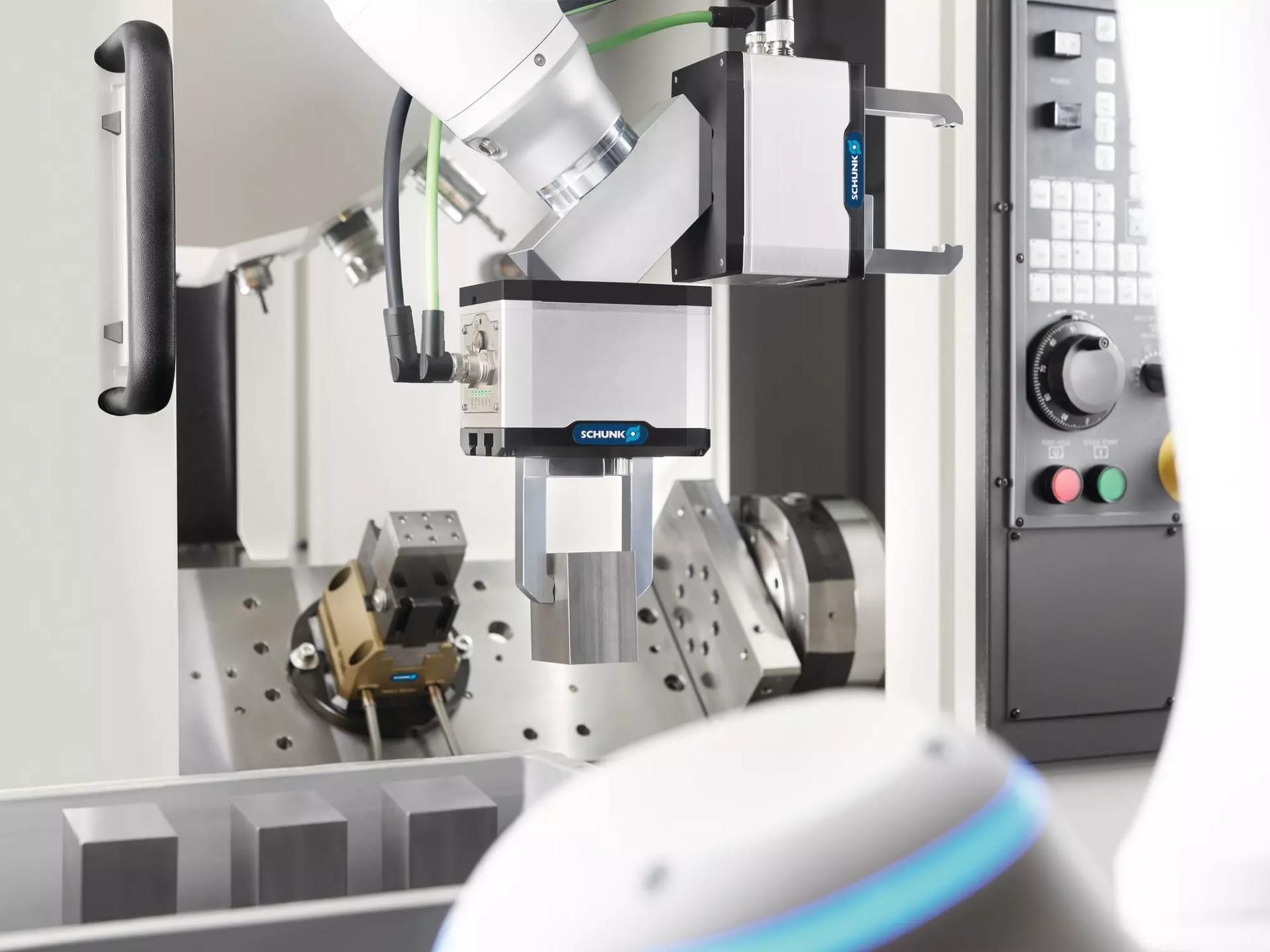

In today’s industrial landscape, automation has evolved beyond traditional robots working behind safety cages. The rise of collaborative robots, or cobots, has transformed how humans and machines interact on factory floors. Designed to work safely alongside humans, cobots offer flexibility, precision, and efficiency in manufacturing, assembly, and packaging processes. What truly enhances their versatility and performance, however, are collaborative robot cobot accessories. These accessories extend the functionality of cobots, allowing them to handle a wide variety of tasks with improved speed, accuracy, and safety.
From precision grippers and vision systems to torque sensors and tool changers, cobot accessories play an essential role in optimizing productivity. Understanding how these accessories function and how they integrate with different robot gripper types is key to maximizing the potential of collaborative robotics.
The Role of Cobot Accessories in Modern Automation
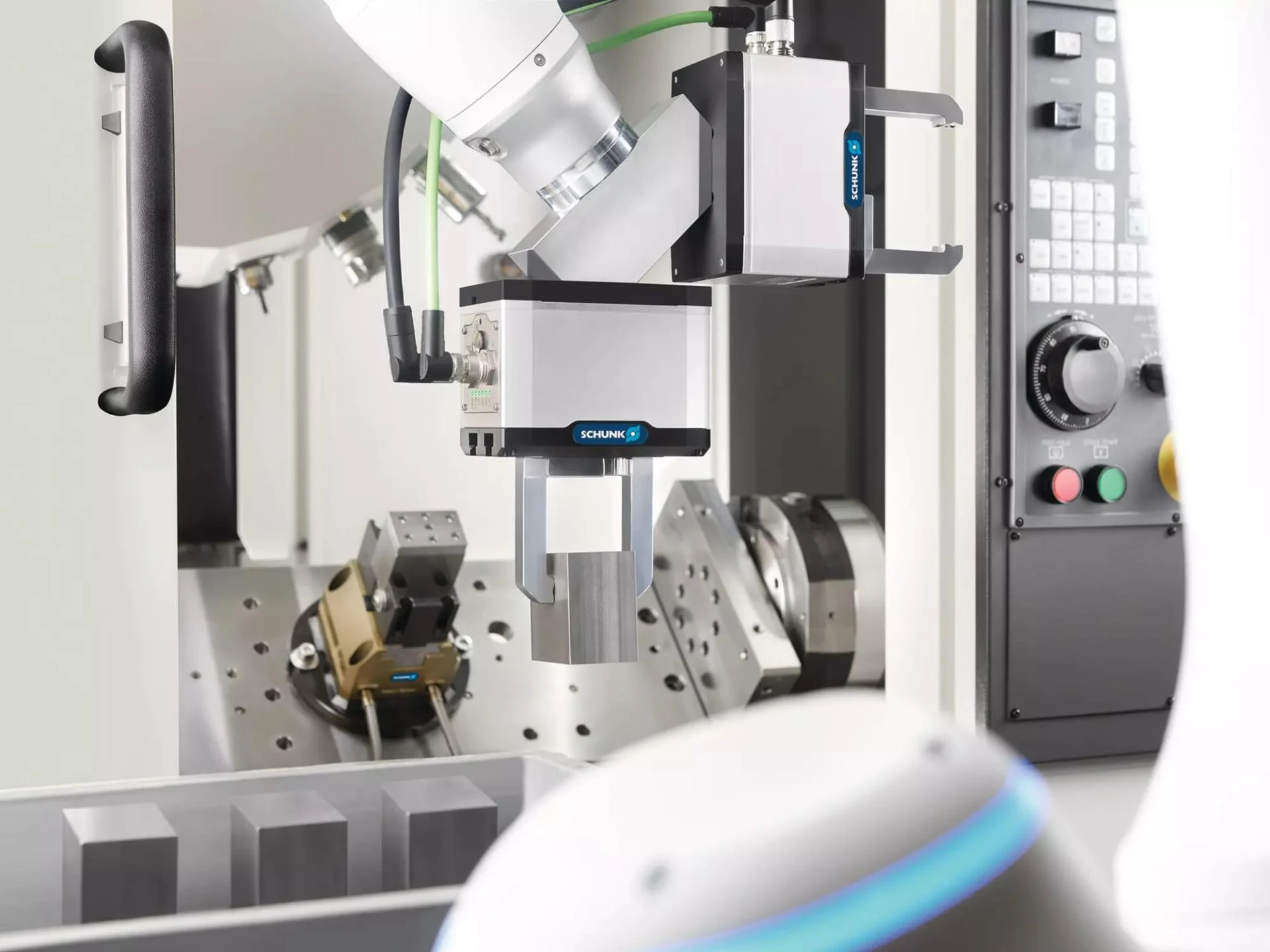
Unlike traditional industrial robots that are confined to specific tasks, collaborative robots are designed for adaptability. They can perform multiple operations in a single production line when equipped with the right accessories. Collaborative robot cobot accessories, such as grippers, sensors, and tool changers, make this versatility possible.
A cobot’s effectiveness largely depends on the accessories it uses. For example, a gripper enables the robot to pick and place objects, while a vision system helps it recognize components or adjust its movements dynamically. Similarly, torque sensors allow cobots to detect applied force, ensuring delicate operations are handled without damaging components.
By integrating these accessories, cobots become smarter, safer, and more efficient, helping industries meet the demands of modern production without compromising safety or flexibility.
Understanding Robot Gripper Types
One of the most critical components of any collaborative robot is its gripper, the end effector responsible for handling objects. There are various robot gripper types, each designed for specific applications, materials, and environments. Selecting the right gripper can drastically improve both efficiency and precision.
Mechanical Grippers
These are the most common robot gripper types, featuring fingers or jaws that physically grasp an object. They can be either parallel or angular in design and are suitable for handling solid components like metal parts or plastic components. Mechanical grippers are ideal for assembly lines, pick-and-place operations, and packaging tasks.
Vacuum Grippers
Vacuum grippers use suction cups and negative pressure to lift objects. They are particularly useful for handling delicate, flat, or porous materials such as glass, cardboard, or plastic sheets. Their ability to create a secure hold without mechanical force makes them perfect for packaging and logistics applications.
Magnetic Grippers
These grippers rely on magnetic force to pick up ferrous materials like steel plates or tools. They are known for their reliability in industrial environments and can quickly attach or release objects without complex mechanisms.
Soft and Adaptive Grippers
Designed with flexibility in mind, soft grippers mimic the dexterity of a human hand. Made from soft materials or adaptive structures, they can handle irregularly shaped or fragile objects, such as food items or medical components. These are among the most advanced robot gripper types, often used in sectors where precision and gentleness are required.
By choosing the right gripper, manufacturers can tailor cobots to handle specific operations efficiently, minimizing waste and improving product quality.
Enhancing Efficiency Through Cobot Accessories
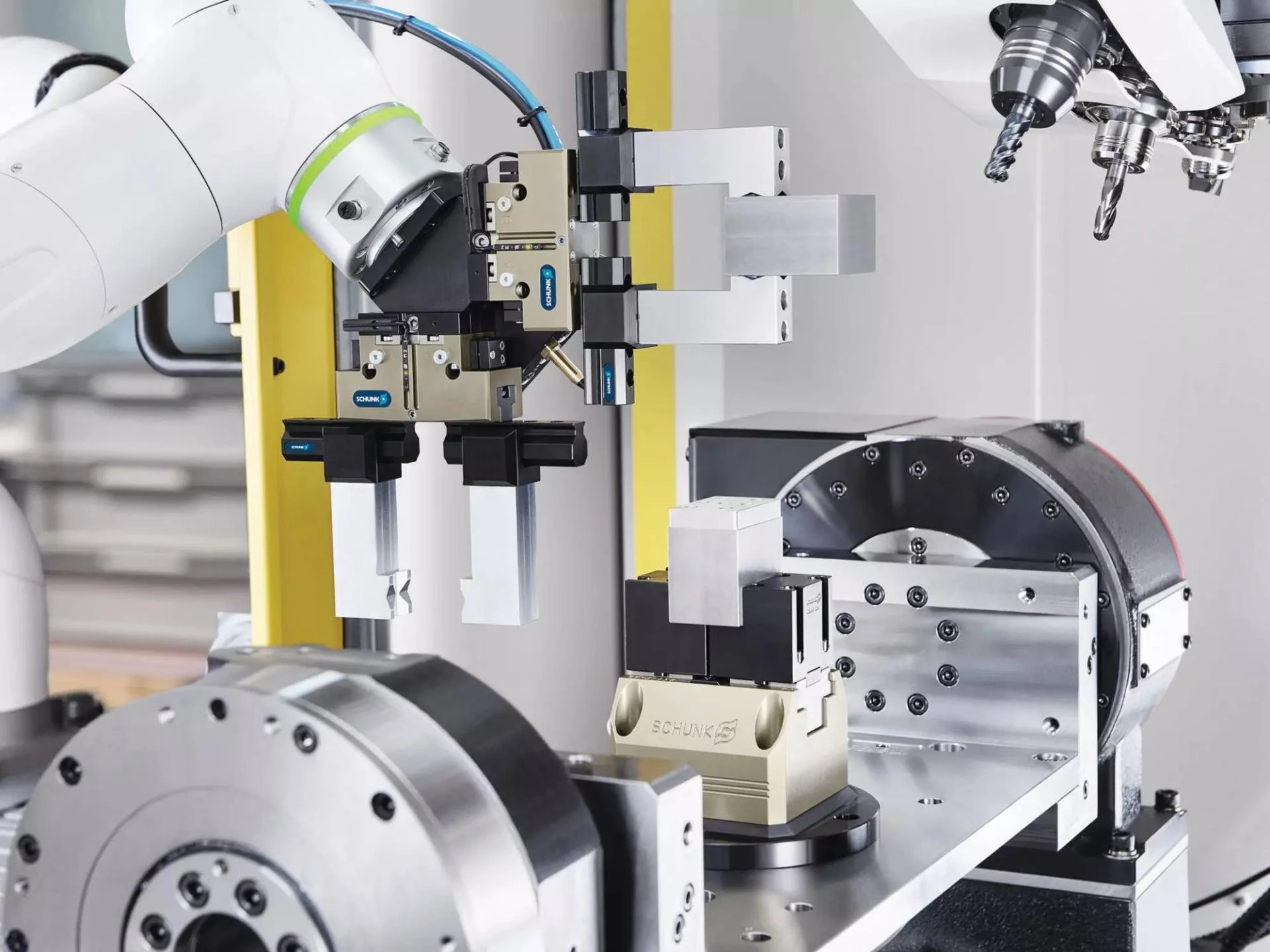
Efficiency is one of the main drivers behind the adoption of collaborative robots. Collaborative robot cobot accessories contribute directly to improving productivity in several ways:
- Quick Tool Changes: Modern cobot systems can be equipped with automatic tool changers, enabling them to switch between tasks without human intervention. This reduces downtime and increases operational speed.
- Improved Precision: Advanced accessories like force-torque sensors ensure that every movement is executed with the right amount of pressure, resulting in fewer errors and higher accuracy.
- Versatility Across Tasks: With interchangeable grippers and end effectors, one cobot can handle multiple processes — from assembly and inspection to packaging — without needing a separate setup.
- Real-Time Feedback: Intelligent accessories equipped with sensors and connectivity features provide data that helps optimize workflow and detect anomalies before they impact production.
In short, cobot accessories make automation more dynamic and adaptable, turning a single robot into a multifunctional production asset.
Read More:-Innovations in Tool Holders: Redefining Machining Efficiency
Improving Workplace Safety with Collaborative Robots
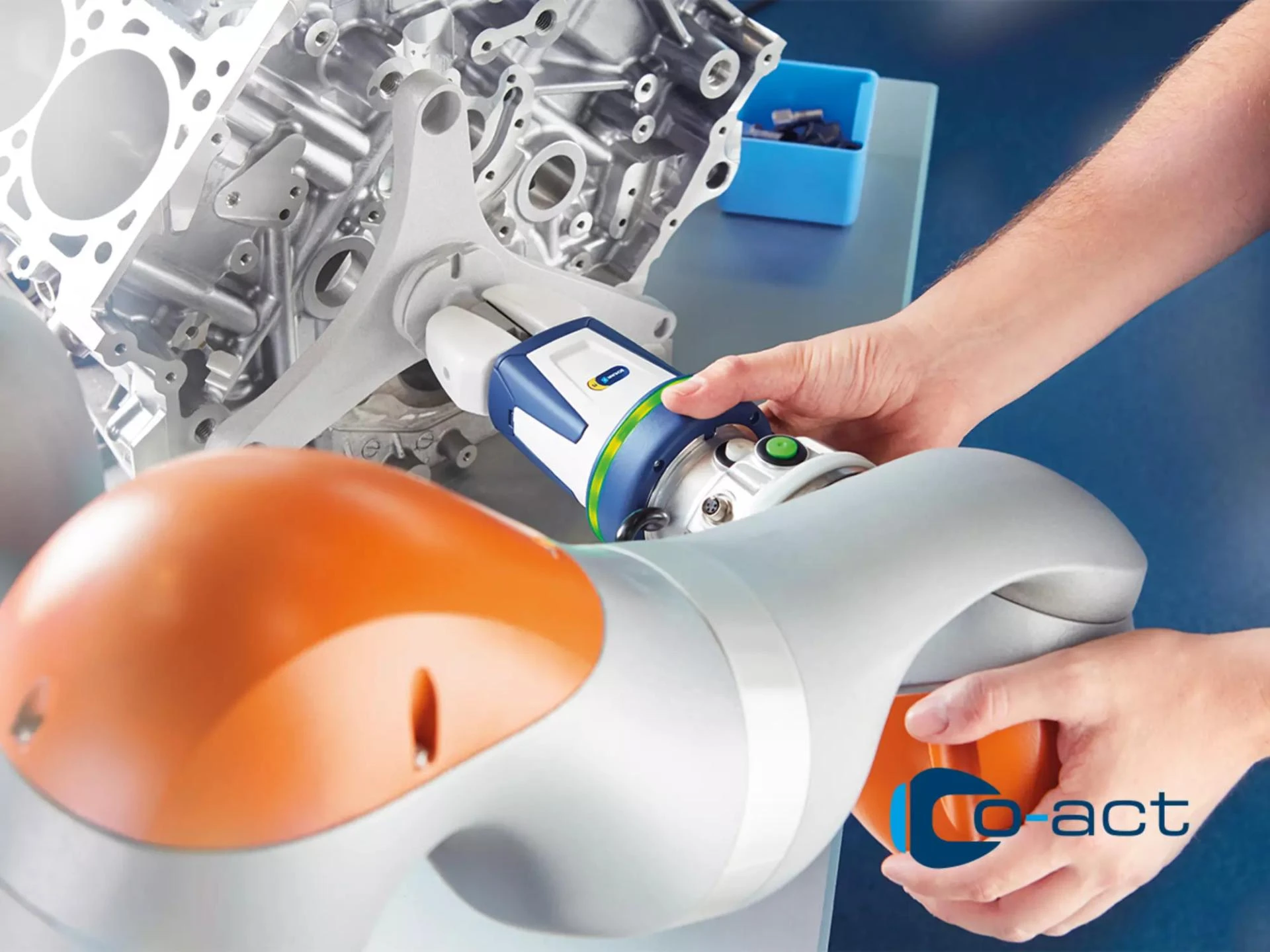
Safety has always been a major concern in industrial automation. Traditional robots operate at high speeds and require safety enclosures to protect human workers. In contrast, collaborative robots are engineered to work safely side by side with people, thanks to integrated sensors, speed controls, and intelligent accessories.
Collaborative robot cobot accessories, such as tactile sensors, torque limiters, and proximity detectors, enhance safety even further. These devices ensure that cobots can sense the presence of humans and respond instantly by slowing down or stopping movement. For example, if a cobot equipped with a force sensor detects unexpected contact, it can automatically halt operation to prevent injury.
Additionally, ergonomic accessories like lightweight grippers and adjustable mounts help reduce strain for human operators who share workspace with cobots. This collaboration creates a safer and more comfortable working environment where human expertise and robotic efficiency complement each other.
Applications Across Industries
The integration of robot gripper types and cobot accessories has revolutionized several sectors:
- Manufacturing: Cobots assemble components, tighten screws, and handle delicate materials with consistent precision.
- Automotive: Used for part inspection, painting, and material handling.
- Food and Beverage: Soft grippers allow cobots to handle perishable goods hygienically without damage.
- Healthcare: Cobots assist in laboratory automation and the handling of medical instruments.
- Logistics: Vacuum grippers and vision-guided systems streamline packaging, sorting, and palletizing.
These versatile applications demonstrate how cobot technology can adapt to different industries while maintaining efficiency and safety standards.
Conclusion
The rise of collaborative robot cobot accessories has transformed the way industries approach automation, bridging the gap between human intelligence and robotic precision. By integrating the right robot gripper types, sensors, and smart tools, companies can achieve higher productivity, reduced downtime, and safer workplaces.
As a global leader in precision automation solutions, Schunk continues to pioneer innovative cobot accessories and advanced gripping technologies. With its commitment to engineering excellence, Schunk empowers industries worldwide to harness the full potential of collaborative robots—enhancing efficiency, safety, and performance in every application.


























Sign in to leave a comment.