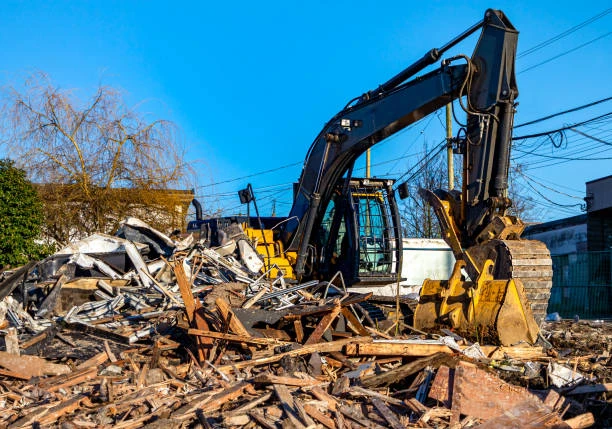

Property value and marketability are top priorities for investors and owners in the ever-changing real estate industry. Commercial demolition may be very important in increasing the marketability and value of a building. It is frequently seen as an essential step in revitalising or reusing a site. The many aspects of commercial demolition, including how it affects property values, marketability factors, the demolition process, environmental and regulatory considerations, financial implications, the significance of choosing the right demolition contractor, successful case studies, and upcoming trends influencing the commercial demolition landscape, will all be covered in this blog post.
Understanding commercial demolition
Commercial demolition involves the deliberate dismantling or destruction of structures, making way for new developments or improvements. This process goes beyond merely tearing down a building; it encompasses a strategic approach to reshape the landscape for optimal use. Different methods, such as implosion, mechanical demolition, and deconstruction, may be employed based on the specific needs and circumstances of the project.
The Impact of Commercial Demolition on Property Value
One of the primary ways commercial demolition contributes to property value is by eliminating outdated or dilapidated structures. Such structures can be perceived as liabilities, potentially deterring potential buyers or tenants. Removing these structures not only improves the aesthetic appeal of the property but also allows for the construction of modern, attractive buildings that align with contemporary architectural trends.
Moreover, strategic demolition can create space for amenities such as parking lots, green spaces, or additional square footage, all of which can significantly enhance the property's overall value. The cleared land becomes a canvas for developers to implement innovative and lucrative projects, attracting a broader range of potential occupants.
Marketability Factors Influenced by Commercial Demolition
The marketability of a property is closely tied to its visual appeal, functionality, and adaptability to current market demands. Commercial demolition directly influences these factors by eliminating structures that may be obsolete or incompatible with modern business needs. Open, well-designed spaces are more attractive to potential tenants or buyers, allowing for a broader range of potential uses.
Furthermore, the removal of outdated structures and the creation of new, purpose-built spaces can align with current market trends and preferences. For example, properties designed to meet sustainable building standards or those equipped with state-of-the-art technology are likely to attract businesses and tenants seeking forward-thinking spaces.
Commercial Demolition Process and Considerations
The commercial demolition process is intricate and requires careful planning. Important first tasks include the creation of a demolition plan, structural study, and site evaluation. The size and kind of the building, the surrounding area, and the planned use of the site after destruction all influence the demolition technique selection.
Safety precautions, the effect on the environment, and the disposal of waste must all be taken into account. An effective demolition plan must include noise reduction techniques, dust control methods, and adherence to local laws. A seamless process from beginning to end depends on effective project management and communication.
Environmental and Regulatory Aspects of Commercial Demolition
In the contemporary business landscape, environmental consciousness and regulatory compliance are non-negotiable aspects of any project. Commercial demolition is no exception. Demolition activities can generate waste, including hazardous materials such as asbestos, lead, or other contaminants.
Tight rules control how these items are handled, taken out, and disposed of. It is essential to follow local, state, and federal standards and work with environmental specialists. In addition to posing threats to the environment, noncompliance may have legal repercussions and cause delays in the project's schedule.
Choosing the Right Commercial Demolition Contractor
Selecting the right commercial demolition contractor is a critical decision that can significantly impact the success of a project. A reputable contractor should possess the necessary licences and certifications, demonstrate a history of successful projects, and prioritise safety and environmental considerations.
When evaluating potential contractors, it's crucial to consider their experience with similar projects, the availability of specialised equipment, and their understanding of local regulations. Obtaining multiple quotes and thoroughly reviewing the proposed scope of work and timelines will help ensure a transparent and cost-effective partnership.
Future Trends in Commercial Demolition
The future of commercial demolition is shaped by evolving technologies, sustainability initiatives, and changing market demands. Robotics and artificial intelligence are increasingly playing a role in precision demolition, enhancing safety and efficiency. Sustainable demolition practices, such as material recycling and reduced carbon emissions, are becoming industry standards, aligning with global environmental goals.
Additionally, the integration of smart technologies in the design and construction phases is likely to influence how buildings are approached for demolition. This could involve the use of Building Information Modelling (BIM) and other digital tools to enhance planning and execution, minimise waste, and optimise resource use.
Conclusion
Commercial demolition is a strategic tool that can significantly enhance property value and marketability. By removing outdated structures and creating space for modern, purpose-built developments, property owners and investors can unlock the full potential of their assets. The impact extends beyond financial gains, contributing to the revitalisation of neighbourhoods and the creation of sustainable, attractive spaces.
Successful commercial demolition requires careful consideration of the demolition process, adherence to environmental and regulatory standards, and collaboration with experienced and reputable contractors. Through a comprehensive understanding of the factors influencing commercial demolition, stakeholders can navigate the complexities of the process, capitalise on opportunities, and contribute to the positive transformation of the built environment. As the industry continues to evolve, embracing technological advancements and sustainable practices will be key to shaping the future of commercial demolition.
Demolition Contractors in Sydney: Unleash the Power of Deft Demo for Your Project!
Are you in need of a reliable and skilled demolition contractor in Sydney? Your search ends here! Introducing Deft Demo, the go-to name for both residential and commercial demolition projects. Our team of experts has the knowledge, experience, and unwavering reliability to handle any demolition challenge with precision and efficiency. Whether you need a partial demolition or a complete site clearance, we've got you covered. Don't settle for subpar contractors when you can trust the expertise of Deft Demo.


























Sign in to leave a comment.