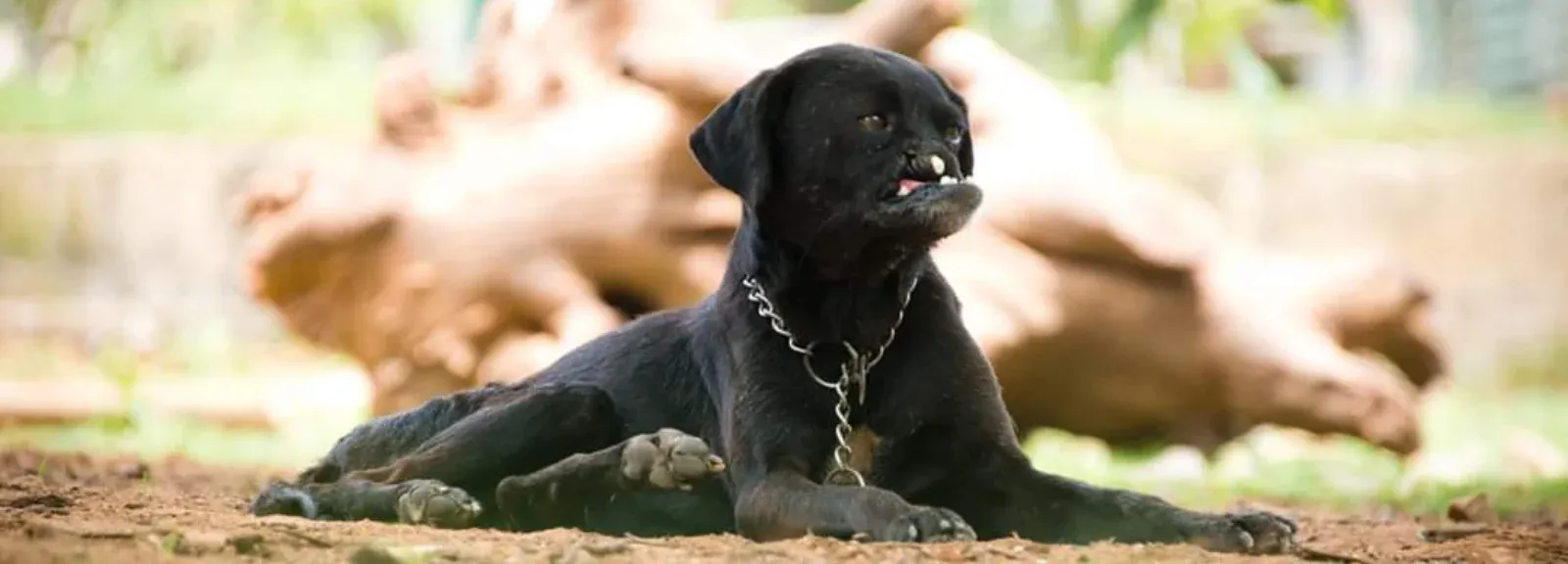

Stray dogs live in many communities and often depend on a combination of natural resources and support from people. Injuries, illness, lack of food, abandonment, and unsafe surroundings can make everyday life difficult for vulnerable animals.
Supporting welfare for stray dogs involves more than providing food occasionally. Sustainable animal welfare can include rescue services, veterinary treatment, rehabilitation, shelter, feeding programs, and long-term care for animals that cannot safely return to the streets.
Why Rescue Services Matter
Some dogs require immediate assistance because of accidents, illness, or other serious circumstances. Early intervention can give an injured animal access to veterinary attention and a safer environment for recovery.
Specialized programs can also help animals that have physical disabilities or other long-term needs. For cases requiring dedicated support, injured dog rescue can provide an important pathway toward treatment and rehabilitation.
The Importance of Rehabilitation
Rescue is only one part of animal welfare. After an animal has been brought to safety, it may require medication, nutritious food, monitoring, rehabilitation, and a stable environment.
Some dogs recover quickly, while others need continued care because of serious injuries, age, or permanent disabilities. Long-term rehabilitation can help ensure that these animals continue receiving appropriate support.
Ways People Can Help
Individuals can contribute to animal welfare in several ways. Volunteering, donating, providing food or supplies, supporting medical treatment, and sharing information about animals that need assistance can all contribute to organized rescue efforts.
Responsible pet ownership is also important. Communities can help reduce abandonment by encouraging adoption, supporting sterilization initiatives, and promoting awareness about the responsibilities involved in caring for companion animals.
Creating Sustainable Animal Welfare Programs
Effective animal welfare requires consistent resources and cooperation. Rescue organizations, veterinarians, volunteers, donors, and local communities each have a role to play in helping vulnerable animals.
With sustained support, rescue programs can provide more than emergency assistance. They can create systems for medical care, rehabilitation, shelter, feeding, and responsible adoption while continuing to respond to new cases.
A Collective Approach to Helping Dogs
Improving conditions for stray and abandoned dogs is a long-term effort. Small contributions from many people can help support larger programs that provide care to animals in need.
Whether someone contributes time, resources, or financial support, participating in organized animal welfare efforts can help create safer conditions for dogs and strengthen the community's ability to respond when animals require assistance.


























Sign in to leave a comment.