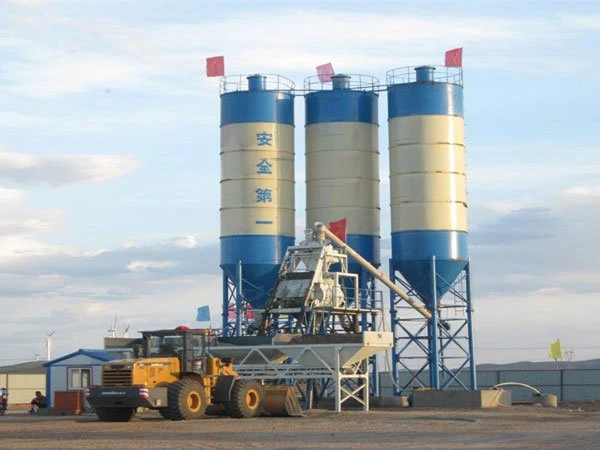

In today’s rapidly evolving construction landscape, the demand for speed, precision, and quality has never been higher. Infrastructure projects are becoming larger and more complex, requiring reliable systems that can deliver consistent results under tight deadlines. One of the most crucial technologies driving this transformation is the concrete batching plant. Acting as the backbone of modern construction, batching plants ensure that high-quality concrete is produced efficiently and consistently for a wide range of applications.
Understanding Concrete Batching Plants
A concrete batching plant is a specialized facility where various raw materials—including cement, aggregates (such as sand, gravel, or crushed stone), water, and chemical admixtures—are measured, mixed, and combined to produce concrete. The entire process is controlled through advanced automation systems, ensuring accuracy and uniformity in every batch.
There are two primary types of concrete batching plants used in the industry:
- Dry Mix Batching Plants: In these plants, all dry materials are weighed and mixed before being transported to the construction site, where water is added.
- Wet Mix Batching Plants: These plants mix all ingredients, including water, at a central location before delivering ready-to-use concrete to the site.
Each type offers unique advantages depending on project requirements, site conditions, and production capacity.
The Importance of Batching Plants in Modern Construction
Concrete batching plants play a critical role in powering today’s construction industry by addressing key challenges such as consistency, efficiency, and scalability.
1. Ensuring Consistent Quality
Quality is a top priority in construction, as even minor inconsistencies in concrete can compromise the strength and durability of structures. Batching plants are equipped with precise weighing and mixing systems that ensure each batch meets exact specifications. This level of accuracy minimizes the risk of structural failures and enhances the longevity of buildings and infrastructure.
2. Boosting Productivity and Speed
Modern construction projects often operate under strict timelines. Concrete batching plants enable high-volume production, allowing contractors to meet demanding schedules without compromising quality. Automated processes reduce manual intervention, streamline operations, and significantly increase output, making it possible to complete projects faster.
3. Cost Efficiency and Resource Optimization
Batching plants help optimize the use of raw materials, reducing waste and lowering overall costs. By accurately measuring ingredients, these systems prevent overuse or underuse of materials, leading to better cost control. Additionally, automation reduces labor requirements and minimizes operational errors, further improving efficiency.
4. Flexibility in Concrete Mix Design
Different construction projects require different types of concrete, ranging from standard mixes to high-performance or specialized formulations. Batching plants offer the flexibility to adjust mix designs based on specific requirements. Whether it’s high-strength concrete for skyscrapers or eco-friendly mixes for sustainable projects, batching plants can accommodate diverse needs.
5. Supporting Sustainable Construction Practices
Sustainability is becoming increasingly important in the construction industry. Modern batching plants are designed with eco-friendly features such as dust collection systems, water recycling units, and energy-efficient operations. These features help reduce environmental impact and promote greener construction practices.
Key Components of a Concrete Batching Plant
A concrete batching plant consists of several essential components that work together to ensure smooth and efficient operation:
- Aggregate Bins: Store different types of aggregates and feed them into the system in controlled quantities.
- Cement Silos: Safely store bulk cement and ensure a continuous supply for production.
- Weighing Systems: Accurately measure all materials to maintain consistency.
- Mixers: Combine materials into a uniform mixture, ensuring proper blending.
- Control Systems: Advanced software and automation systems that manage the entire process, monitor performance, and maintain quality standards.
Each component plays a vital role in delivering high-quality concrete efficiently.
Applications Across the Construction Sector
Concrete batching plants are widely used across various segments of the construction industry, including:
- Infrastructure Development: Roads, highways, bridges, and flyovers rely heavily on consistent concrete supply.
- Residential Construction: From individual homes to large housing complexes, batching plants ensure reliable concrete quality.
- Commercial Projects: Office buildings, malls, and high-rise towers require large volumes of high-strength concrete.
- Industrial Construction: Factories, warehouses, and power plants depend on durable and high-performance concrete.
- Water Management Projects: Dams, canals, and treatment plants require specialized concrete mixes for durability and resistance.
Their versatility makes batching plants indispensable for projects of all scales.
The Role of Technology in Modern Batching Plants
Technological advancements have significantly improved the efficiency and performance of concrete batching plants. Modern systems incorporate features such as computerized controls, real-time monitoring, and data analytics. These technologies enable operators to track production, detect issues early, and optimize performance.
The integration of IoT (Internet of Things) allows remote monitoring and control, reducing downtime and improving maintenance planning. Additionally, advanced automation ensures precise material handling and mixing, resulting in superior quality output.
Choosing the Right Concrete Batching Plant
Selecting the right batching plant is essential for maximizing efficiency and meeting project requirements. Key factors to consider include:
- Production Capacity: The volume of concrete required per hour or day.
- Mobility: Mobile batching plants are ideal for projects that require frequent relocation, while stationary plants are suitable for long-term operations.
- Site Conditions: Available space, accessibility, and environmental factors.
- Budget: Initial investment and long-term operational costs.
By carefully evaluating these factors, contractors can choose a plant that best fits their needs.
Future Trends in Concrete Batching
The future of concrete batching plants is driven by innovation and sustainability. Emerging trends include the use of AI for predictive maintenance, automation for improved efficiency, and the development of eco-friendly materials. Smart batching plants are expected to become more common, offering enhanced control, reduced waste, and improved performance.
As the construction industry continues to evolve, batching plants will play an even more significant role in meeting the growing demand for high-quality and sustainable infrastructure.
Conclusion
Concrete batching plants are the driving force behind modern construction, enabling projects to achieve higher levels of efficiency, quality, and sustainability. Their ability to produce consistent and customizable concrete makes them essential for a wide range of applications, from small residential projects to large-scale infrastructure developments.
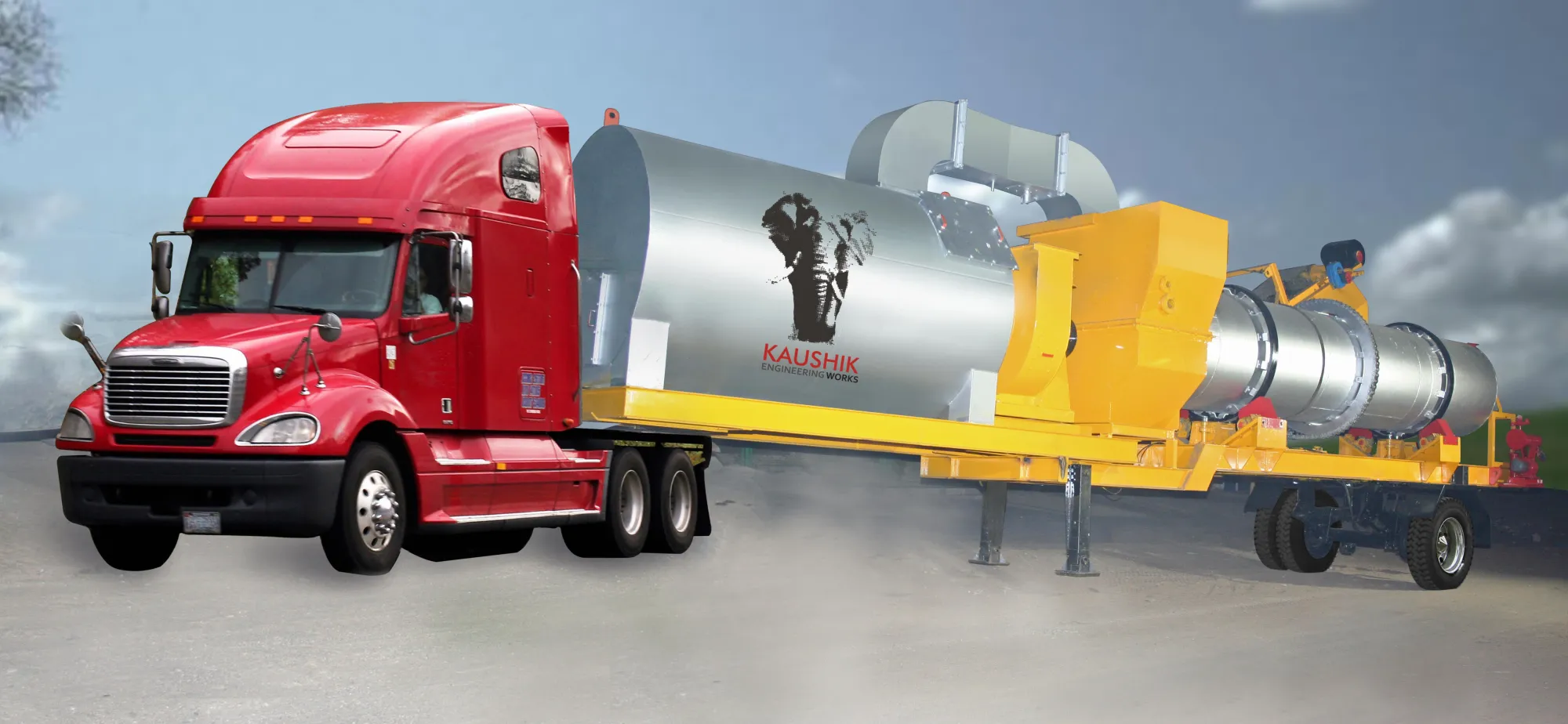
With advancements in technology and increasing focus on sustainability, batching plants are set to become even more efficient and environmentally friendly. Companies like kaushik engineeing works are contributing to this progress by delivering innovative and reliable solutions tailored to the needs of today’s construction industry.
Investing in the right concrete batching plant not only enhances project performance but also ensures long-term success in a competitive and rapidly evolving market.



























Sign in to leave a comment.