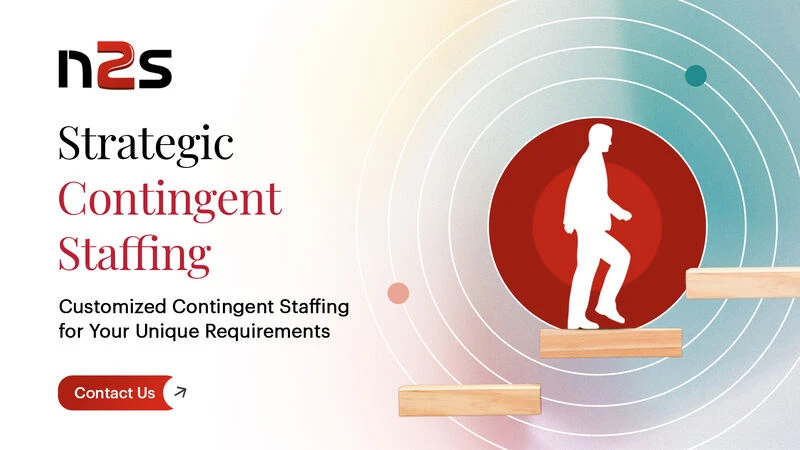

Poland has become one of the fastest growing workforce destinations in Europe for companies that want to build flexible and scalable teams. As businesses continue to expand across borders, traditional hiring models are no longer enough to meet changing workforce demands.
Organizations today are managing project based work, seasonal demand, digital transformation, and operational expansion at the same time. This is where contingent staffing solutions are helping companies stay productive without increasing long term hiring risks.
Contingent staffing in Poland allows businesses to hire skilled professionals for temporary roles, contract based assignments, or specific projects based on real time workforce demand. Instead of committing to permanent hiring, companies can bring in talent when needed and scale their workforce as business priorities change.
Across Poland, industries such as manufacturing, logistics, finance, customer support, and technology are increasingly using contingent workforce models to maintain operational continuity. These sectors often experience workload fluctuations that require immediate access to qualified professionals without delays in recruitment.
Another reason why contingent staffing is gaining popularity in Poland is the growing competition for skilled talent. The local labor market remains strong, but companies often struggle to find candidates with specialized technical or multilingual skills. Flexible hiring models allow organizations to access talent from different regions and reduce the time required to fill critical roles.
Contingent staffing also supports international companies that are setting up delivery centers or expanding their business operations in Poland. Instead of investing months in traditional hiring processes, they can onboard pre screened professionals who are ready to contribute from day one.
This approach helps businesses
- Improve workforce flexibility
- Reduce hiring costs
- Maintain productivity during peak demand
- Fill skill gaps quickly
- Adapt to changing project requirements
In addition to operational benefits, contingent staffing is helping organizations improve workforce planning. Companies can manage short term goals without affecting long term employment structures while ensuring that business continuity is never compromised.
As workforce expectations continue to evolve, professionals are also showing interest in flexible work arrangements that offer diverse project exposure and better career mobility. This shift is encouraging employers to move towards hiring strategies that balance stability with flexibility.
Poland continues to attract global companies looking for workforce solutions that support efficiency, scalability, and faster hiring. Contingent staffing is no longer just an alternative to permanent hiring. It is becoming an essential part of modern workforce strategy that allows businesses to remain competitive in an environment where agility and access to talent matter more than ever.


Sign in to leave a comment.