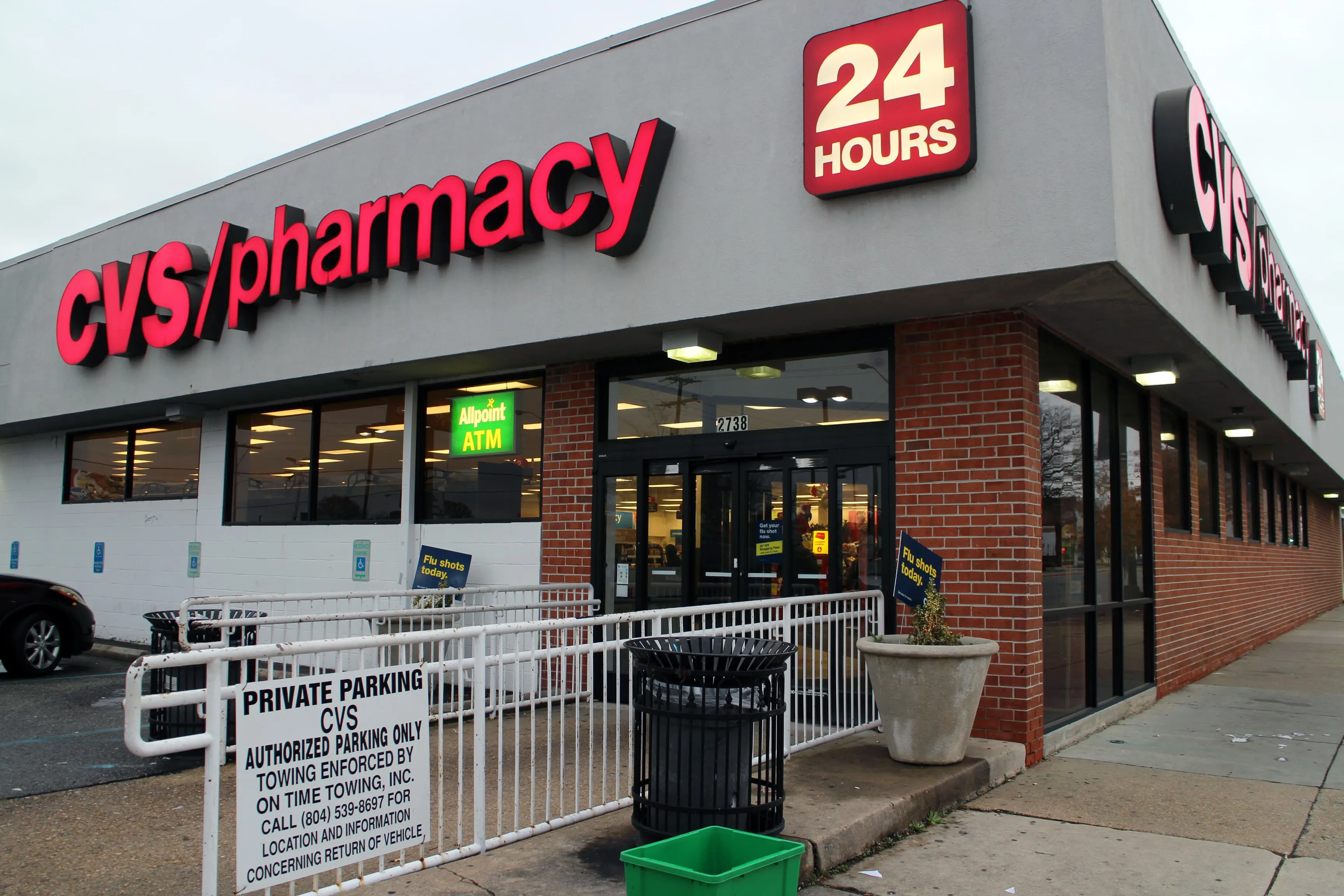

Commercial investors often favor properties tied to well established healthcare and retail companies because these tenants tend to provide consistent performance and long term reliability. In many investment discussions, CVS real estate is frequently highlighted due to the company’s national presence and essential role in providing pharmacy and healthcare services. A widely recognized brand with thousands of locations can create confidence among investors who want dependable tenants capable of maintaining operations across varying economic conditions.
The strength of a healthcare focused retailer also contributes to long term property value. Investors often view properties leased to pharmacy chains as more secure because they are tied to necessary services rather than discretionary spending. A recognized tenant can improve resale opportunities and attract future buyers who prioritize stability. This perception makes healthcare retail properties particularly appealing to investors seeking lower risk commercial assets.
Prime Locations Enhance Long Term Value
Location plays a critical role in the performance of any commercial property, and pharmacy locations are often selected with accessibility and visibility in mind. CVS real estate typically benefits from sites near major intersections, residential communities, hospitals, and busy retail corridors. These locations provide convenient access for customers and help maintain steady daily traffic, which supports the tenant’s ongoing success.
A well positioned property may also retain its value even if tenant changes occur in the future. Investors often prefer locations that can be adapted for different uses because this flexibility reduces long term risk. A pharmacy building in a high traffic area may later attract other healthcare providers, retail stores, or service businesses. Strong site selection therefore contributes to both current performance and future investment potential.
Long-Term NNN Lease Structures Provide Reliable Income
One of the key reasons investors are drawn to CVS real estate is the presence of long term net lease agreements. These leases often extend for many years, creating predictable rental income and reducing uncertainty for property owners. Investors who prioritize steady cash flow often find these arrangements especially attractive because they support long term financial planning.
In a net lease structure, the tenant is typically responsible for property related expenses such as taxes, insurance, and maintenance. This arrangement reduces the owner’s management responsibilities and allows for a more passive investment experience. Investors who want consistent income without daily involvement in property operations often see these assets as an ideal addition to their portfolios.
Passive Investment Benefits Attract Buyers
Net lease properties are widely appreciated for their simplicity and efficiency. Investors can receive rental income while the tenant handles most operational responsibilities. This structure is particularly appealing to those seeking retirement income or looking to reduce the complexity of property ownership.
Predictable income from long term leases can also support broader investment strategies. Many investors use stable assets to balance higher risk opportunities or to create a foundation for future acquisitions. The reliability of pharmacy based properties often makes them a preferred choice within diversified portfolios.
Healthcare Demand Supports Long Term Stability
Healthcare services remain essential regardless of economic conditions, which contributes to the stability of CVS real estate. Pharmacies provide prescription medications, health products, and basic medical services that consumers rely on regularly. This consistent demand helps maintain strong store performance and supports the tenant’s ability to meet lease obligations.
As populations grow and age, the need for healthcare services is expected to increase. Investors often view this trend as a positive factor because it suggests continued relevance for pharmacy locations. Properties tied to essential services are generally considered more resilient, making them attractive to those seeking long term security in commercial real estate investments.
Pharmacy Properties Show Resilience During Economic Changes
Commercial investors often look for assets that can perform well during uncertain economic periods. CVS real estate is commonly viewed as a stable investment because healthcare spending typically remains steady even when consumer spending declines. People continue purchasing medications and essential health products regardless of broader economic conditions.
This resilience can help protect both rental income and property value over time. Investors often prioritize assets connected to essential industries because they are less influenced by changing consumer trends. A pharmacy property supported by consistent demand may provide greater confidence and long term reliability compared to more volatile retail categories.
Conclusion
Healthcare retail properties continue to attract investors due to their stability, strong tenants, and predictable income structures. CVS real estate stands out because it combines a recognized healthcare brand with essential services and long term net lease agreements. These characteristics make it a valuable option for investors seeking dependable returns and reduced management responsibilities.
As demand for healthcare services continues to grow, pharmacy properties are expected to remain an important part of commercial real estate portfolios. Their resilience, accessibility, and consistent performance contribute to their ongoing appeal. Investors seeking deeper insights and professional guidance can explore opportunities through NNN Trends by Equity CRE.



























Sign in to leave a comment.