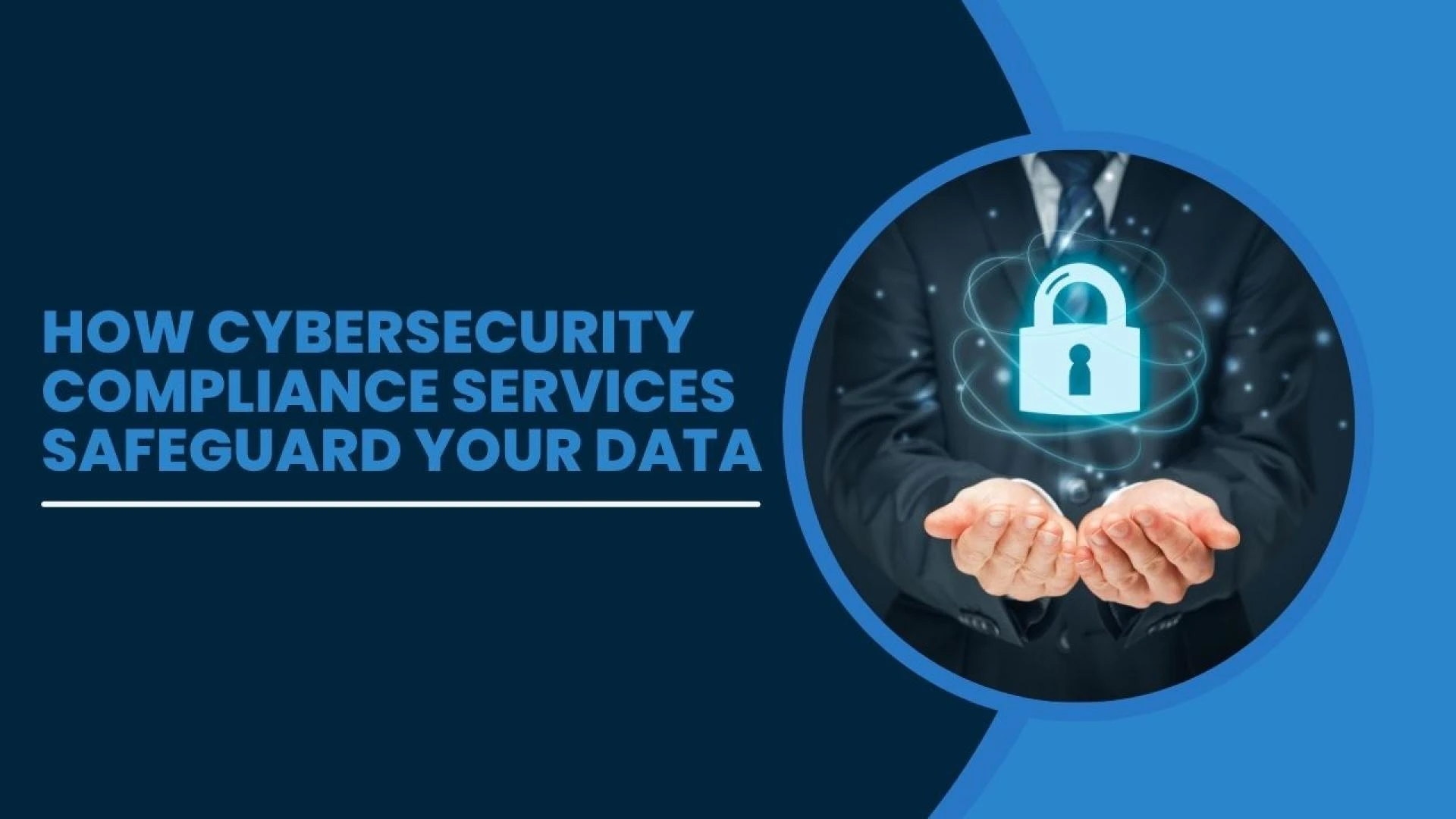
Cybersecurity compliance services play a critical role in protecting sensitive data across organizations, regardless of their size or industry. These services are designed to ensure that companies adhere to established security standards and regulatory requirements, which reduces the risk of data breaches, financial losses, and reputational damage. By implementing systematic processes, monitoring network activity, and providing guidelines for secure operations, cybersecurity compliance helps businesses maintain the confidentiality, integrity, and availability of their data in an increasingly digital world where threats evolve rapidly.
Understanding Cybersecurity Compliance
Cybersecurity compliance refers to the practice of adhering to policies, standards, and regulations that govern how data should be protected. Organizations are often required to meet legal frameworks such as GDPR, HIPAA, or ISO 27001, depending on their industry and geographic location. Compliance ensures that sensitive information, including customer data, financial records, and intellectual property, is handled securely and responsibly. By following these regulations, companies can prevent unauthorized access, minimize vulnerabilities, and avoid penalties that result from non-compliance.
The Role of Policies and Procedures
A cornerstone of cybersecurity compliance is the establishment of clear policies and procedures. These documents provide employees with specific guidelines on handling data, managing passwords, and responding to potential security incidents. Policies often cover areas such as data encryption, access control, backup protocols, and software update management. By consistently enforcing these procedures, organizations create a structured approach to security that reduces human error, limits exposure to cyber threats, and ensures that staff are aware of their responsibilities in maintaining data protection.
Risk Assessment and Management
One of the key functions of cybersecurity compliance services is to perform regular risk assessments. These assessments identify vulnerabilities within an organization's systems, networks, and processes. By evaluating potential threats and their impact, businesses can implement appropriate measures to mitigate risks before they result in breaches. Risk management involves prioritizing threats, applying controls, and continuously monitoring the effectiveness of these measures. This proactive approach helps organizations stay ahead of cybercriminals and strengthens overall resilience against evolving security challenges.
Employee Training and Awareness
Human error is one of the leading causes of data breaches, making employee training a vital component of cybersecurity compliance. Regular training programs educate staff on safe internet practices, recognizing phishing attempts, and following secure data handling procedures. Awareness campaigns ensure that employees understand the consequences of non-compliance and the importance of adhering to security protocols. Well-informed employees act as the first line of defense, reducing the likelihood of security incidents caused by negligence or lack of knowledge.
Data Encryption and Access Control
Protecting data through encryption and access control is a fundamental aspect of compliance services. Encryption ensures that even if data is intercepted, it remains unreadable to unauthorized parties. Access control mechanisms, such as multi-factor authentication and role-based permissions, restrict access to sensitive information only to those who require it for legitimate purposes. Together, these measures safeguard confidential data, prevent unauthorized usage, and support compliance with regulatory standards that mandate strict data protection practices.
Continuous Monitoring and Incident Response
Cybersecurity compliance services involve continuous monitoring of IT systems to detect unusual activity or potential breaches in real time. Monitoring tools track network traffic, user behaviour, and system vulnerabilities, allowing organizations to respond promptly to threats. In addition, compliance services include establishing incident response plans that outline steps to take when a security incident occurs. Rapid detection and response limit damage, prevent further compromise, and ensure that regulatory reporting requirements are met efficiently.
Third-Party and Vendor Compliance
Organizations often rely on external vendors for technology, storage, or cloud services, making third-party compliance critical. Cybersecurity compliance services evaluate the security practices of vendors to ensure they meet the same standards as the organization itself. This includes reviewing contracts, performing security audits, and monitoring vendor access to sensitive data. Ensuring third-party compliance reduces the risk of data breaches through external sources and maintains overall integrity across the supply chain.
Regulatory Reporting and Documentation
Maintaining proper documentation and reporting is a key element of cybersecurity compliance. Organizations must keep records of security measures, audit results, and incident responses to demonstrate adherence to regulations. Documentation supports transparency, accountability, and informed decision-making, while regulatory reporting ensures that authorities are informed of any data breaches or security incidents as required by law. Proper record-keeping also facilitates internal reviews, continuous improvement, and preparation for future audits.
The Benefits of Compliance Services
The primary benefit of cybersecurity compliance services is the protection of sensitive data from theft, misuse, or loss. Beyond security, these services help organizations build trust with clients and stakeholders, demonstrate corporate responsibility, and maintain operational continuity. Compliance reduces legal and financial risks by preventing violations of regulatory requirements and ensures that businesses are prepared to handle evolving cyber threats. Ultimately, organizations that invest in compliance services strengthen their security posture and sustain long-term digital resilience.
To Sum Up
Cybersecurity compliance services are indispensable in the modern digital landscape, offering structured processes, risk management, employee training, and technological safeguards to protect sensitive data. By implementing policies, monitoring systems, ensuring third-party compliance, and maintaining thorough documentation, organizations can minimize vulnerabilities, meet regulatory requirements, and secure their information assets. The combined approach of prevention, detection, and response ensures that businesses not only comply with legal standards but also create a robust defense against increasingly sophisticated cyber threats.
If you are a business owner who values the safety and integrity of your company’s data and is looking for a comprehensive solution to safeguard all sensitive information, Zelar Trust provides expert cybersecurity compliance services tailored to your specific business needs, ensuring that every aspect of your digital operations is secure and compliant. We know that navigating regulatory requirements, keeping up with evolving cyber threats, and training staff on best practices can be overwhelming, especially while managing day-to-day operations. Our services are designed to give business owners confidence that their data is protected, their systems are secure, and compliance standards are fully met. By partnering with us, we can help you implement robust security policies, conduct regular audits, monitor for potential threats, and respond quickly to incidents, ensuring your business remains resilient. With Zelar Trust, we transform cybersecurity from a complex concern into a manageable and reliable framework, allowing us to focus on growth while keeping our digital environment safe and secure.
























Sign in to leave a comment.