

Introduction to Data and AI Solutions
Modern enterprises are standing at a crossroads. On one side, there’s traditional decision-making driven by experience and intuition. On the other, there’s a smarter, faster, and more accurate path powered by data and AI solutions. Guess which one is winning?
Data and AI solutions are no longer “nice-to-have” tools reserved for tech giants. They’ve become the backbone of how organizations operate, compete, and grow. From predicting customer behavior to automating complex workflows, these solutions are rewriting the rules of business.
What Are Data and AI Solutions?
In simple terms, data and AI solutions combine data management, analytics, and artificial intelligence to turn raw information into actionable insights. Think of data as the fuel and AI as the engine. Together, they power smarter systems that learn, adapt, and improve over time.
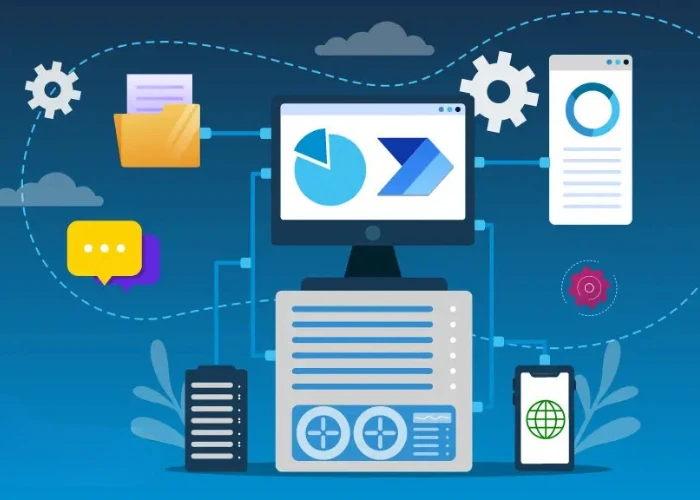
These solutions include data platforms, analytics tools, machine learning models, AI-powered applications, and automation technologies working together to solve real business problems.
Why Enterprises Can’t Ignore Data and AI Anymore
Ignoring data and AI today is like trying to navigate a city without a map or GPS. Enterprises that rely solely on gut feelings risk falling behind competitors who use real-time insights to make informed decisions. Data and AI solutions help businesses move from reactive to proactive, and eventually to predictive.
The Evolution of Enterprise Technology
From Traditional Systems to Intelligent Platforms
Not long ago, enterprise systems were mainly about storing data and running transactions. ERP, CRM, and legacy databases did their job—but they didn’t think. Today’s platforms are intelligent. They analyze patterns, detect anomalies, and even recommend actions.
The Shift from Data Storage to Data Intelligence
Data is no longer just archived for compliance or reporting. With data and AI solutions, enterprises extract intelligence from data continuously. It’s the difference between owning a library and having a personal assistant who’s read every book and can answer any question instantly.
Core Components of Data and AI Solutions
Data Collection and Integration
Everything starts with data. Enterprises gather information from internal systems, customer interactions, IoT devices, social media, and third-party sources.
Structured vs Unstructured Data
Structured data lives neatly in tables—sales figures, inventory levels, financial records. Unstructured data is messier: emails, images, videos, customer reviews. Modern data and AI solutions handle both, turning chaos into clarity.
Advanced Analytics and Business Intelligence
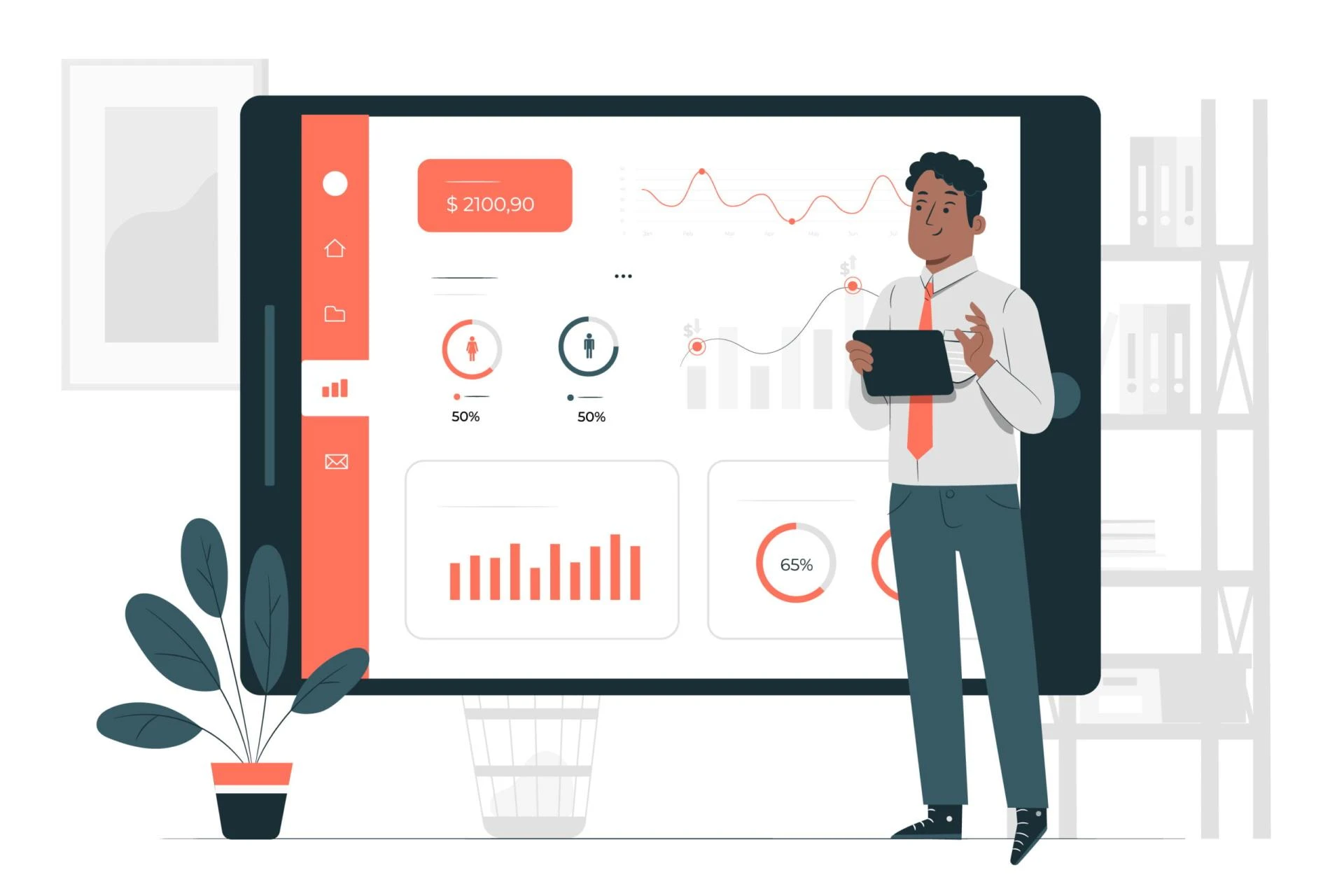
Analytics tools transform data into dashboards, reports, and visual stories. Instead of staring at spreadsheets, leaders see trends, correlations, and opportunities at a glance.
Artificial Intelligence and Machine Learning Models
This is where the magic happens. AI models learn from historical data, identify patterns, and make predictions. Over time, they get smarter—just like a seasoned employee who improves with experience.
How Data and AI Solutions Drive Business Decisions
Real-Time Insights for Faster Decisions
In today’s fast-moving markets, timing is everything. Data and AI solutions provide real-time insights, allowing leaders to respond instantly to changes in demand, supply, or customer behavior.
Predictive Analytics and Forecasting
Why guess when you can predict? Predictive analytics uses historical data and AI algorithms to forecast future outcomes—sales trends, customer churn, equipment failures—helping enterprises plan with confidence.
Data and AI Solutions in Key Business Functions
Finance and Risk Management
Finance teams use data and AI solutions for budgeting, forecasting, fraud detection, and risk analysis. AI can spot unusual transactions faster than any human, acting like a digital watchdog.
Sales and Marketing Optimization
AI analyzes customer data to identify buying patterns, personalize campaigns, and improve conversion rates. It’s like having a marketing assistant who knows every customer personally.
Supply Chain and Operations
From demand forecasting to inventory optimization, data and AI solutions keep supply chains agile. They help businesses avoid overstocking, reduce delays, and cut operational costs.
Human Resources and Talent Analytics
HR teams use AI to analyze employee performance, predict attrition, and improve hiring decisions. The result? Happier employees and stronger teams.
Enhancing Customer Experience with Data and AI Solutions
Personalization at Scale
Customers expect personalized experiences. Data and AI solutions make this possible by analyzing behavior, preferences, and history to deliver tailored recommendations—at scale.
Customer Behavior and Sentiment Analysis
AI can analyze reviews, social media posts, and support tickets to understand how customers feel. This insight helps businesses fix issues before they escalate.
Automation Powered by Data and AI Solutions
Intelligent Process Automation
Automation goes beyond simple rule-based tasks. With AI, processes become intelligent—adapting to changes, learning from outcomes, and improving efficiency continuously.
Reducing Manual Effort and Human Error
By automating repetitive tasks, enterprises free employees to focus on creative and strategic work. Fewer errors, faster execution, better results.
Data Security, Governance, and Ethics
Data Privacy and Compliance
With great data comes great responsibility. Enterprises must ensure data security, privacy, and compliance with regulations. Strong governance frameworks are essential.
Responsible AI Practices
Ethical AI ensures transparency, fairness, and accountability. Enterprises that prioritize responsible AI build trust with customers and stakeholders.
Industry-Specific Use Cases
Manufacturing and Smart Factories
AI-powered analytics predict equipment failures, optimize production schedules, and improve quality control.
Healthcare and Life Sciences
Data and AI solutions support diagnostics, personalized treatment, and operational efficiency—saving both time and lives.
Retail and E-commerce
From demand forecasting to personalized recommendations, AI transforms how retailers engage customers and manage inventory.
Banking and Financial Services
Banks use AI for fraud detection, credit scoring, and customer service automation—enhancing security and efficiency.
Challenges in Adopting Data and AI Solutions
Data Silos and Quality Issues
Poor data quality leads to poor insights. Breaking down silos and ensuring clean, consistent data is critical.
Skill Gaps and Change Management
Technology alone isn’t enough. Enterprises must invest in skills, training, and cultural change to succeed.
Best Practices for Successful Implementation
Building a Data-Driven Culture
A data-driven culture encourages curiosity, experimentation, and evidence-based decisions at every level.
Choosing the Right Technology Stack
The right tools should align with business goals, scale with growth, and integrate seamlessly with existing systems.
The Future of Data and AI Solutions
Generative AI and Advanced Analytics
Generative AI is opening new possibilities—from content creation to code generation—pushing enterprise innovation even further.
AI-Driven Enterprises
The future belongs to AI-driven enterprises where insights flow automatically, decisions are smarter, and innovation never stops.
Conclusion
Data and AI solutions are transforming modern enterprises from the inside out. They enable smarter decisions, streamlined operations, and exceptional customer experiences. In a world driven by speed and complexity, these solutions aren’t just tools—they’re strategic assets. Enterprises that embrace data and AI today are building the foundation for long-term success tomorrow.
Frequently Asked Questions (FAQs)
1. What are data and AI solutions in simple terms?
They are technologies that collect, analyze, and use data with AI to generate insights and automate decisions.
2. How do data and AI solutions benefit enterprises?
They improve decision-making, reduce costs, enhance customer experience, and drive innovation.
3. Are data and AI solutions only for large enterprises?
No, businesses of all sizes can benefit with scalable and cloud-based solutions.
4. What industries benefit most from data and AI solutions?
Manufacturing, healthcare, retail, finance, and logistics see significant value.
5. What is the biggest challenge in adopting data and AI solutions?
Data quality, integration, and change management are the most common challenges.


























Sign in to leave a comment.