A few years ago, coworking was all about freedom. Walk in, pick any seat, open your laptop, and get started. That idea worked well when flexibility was the main goal and workdays were unpredictable.
Today, the reality looks different.
Teams are more hybrid. Professionals are spending longer stretches in shared offices. Work is more focused, more outcome-driven, and often more demanding. As a result, many people are rethinking what they really need from coworking spaces.
Not just access. Not just community.
But consistency, ownership, and a sense of belonging without the weight of a long lease.
This is where the dedicated desk has quietly stepped into the spotlight. Once seen as a niche option, it is now becoming one of the most important formats shaping how modern coworking environments function. As we move closer to 2026, dedicated desk rentals are no longer a compromise between flexibility and structure. They are redefining what productive shared work actually looks like.
From Flexibility First to Function That Lasts
Why hot desks stopped working for everyone
Hot desking worked well when people used coworking spaces only for short visits. It was fine for quick workdays or occasional use. But as professionals began spending full weeks and even months inside coworking spaces, problems started to show.
People lost time setting up their workspace every morning. Teams struggled to sit together consistently. Monitors, notebooks, and other personal items had to be packed up and carried back and forth. Over time, this created small but persistent friction that affected focus and morale.
Many professionals did not want a private office. They wanted something lighter, simpler, and more adaptable. At the same time, they needed a setup that felt stable enough to support real work.
This tension is what pushed the dedicated desk into relevance.
What hybrid work has changed at an organisational level
Hybrid work is no longer a trend. It is now part of how organisations operate.
Research from McKinsey shows that since the pandemic, around 90% of organisations have adopted some form of hybrid work model, allowing at least part of their workforce to work some of the time remotely. That shift has reshaped expectations around workspaces.
Companies are no longer planning for full attendance every day. At the same time, they still need environments that support focus, accountability, and collaboration when teams do come together.
This combination has made coworking spaces rethink their layouts. Instead of choosing between fully flexible or fully private, many are investing in formats that support both. The dedicated desk fits naturally into this middle ground.
How this shift shows up inside modern coworking spaces
In practice, this change looks subtle but is powerful.
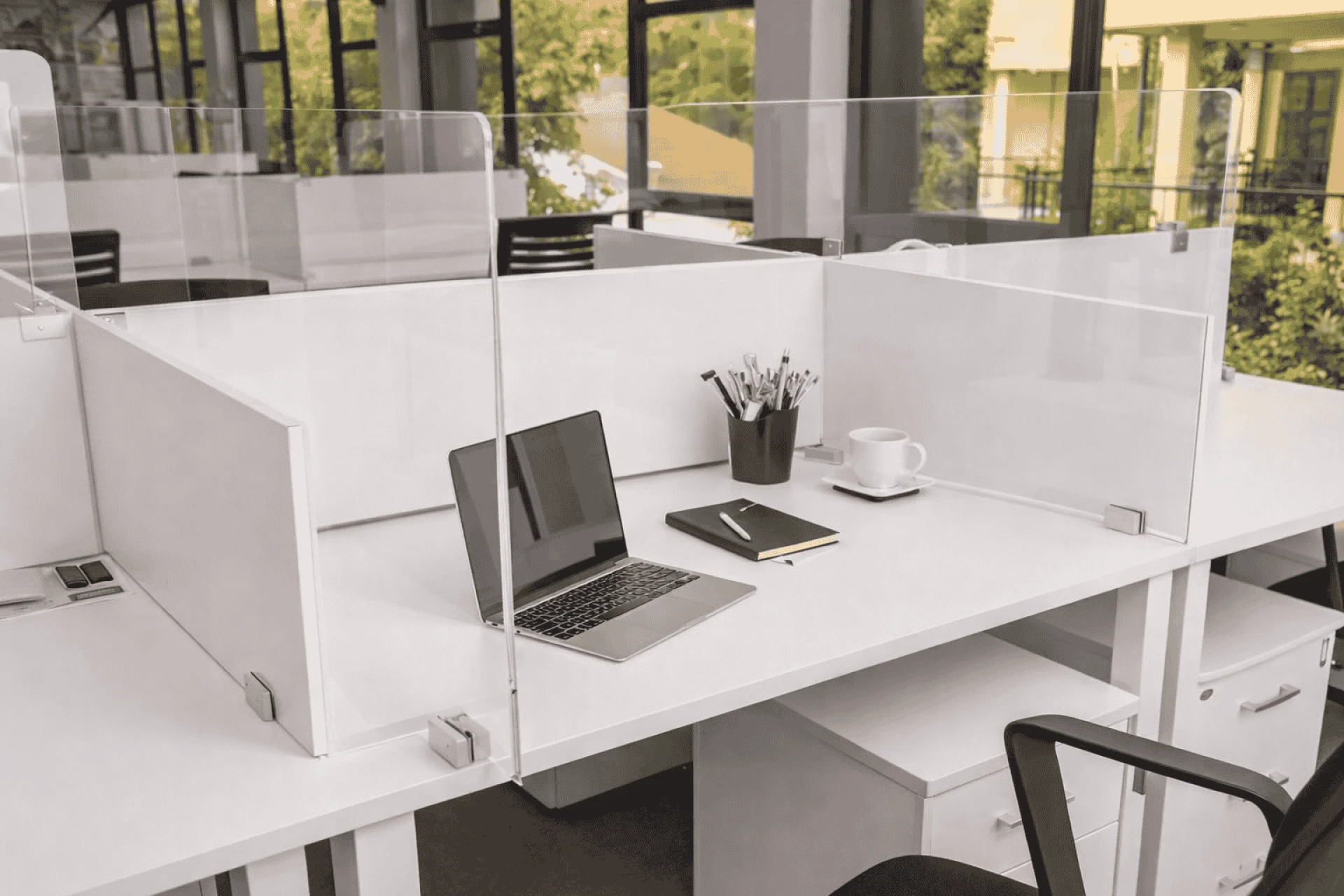
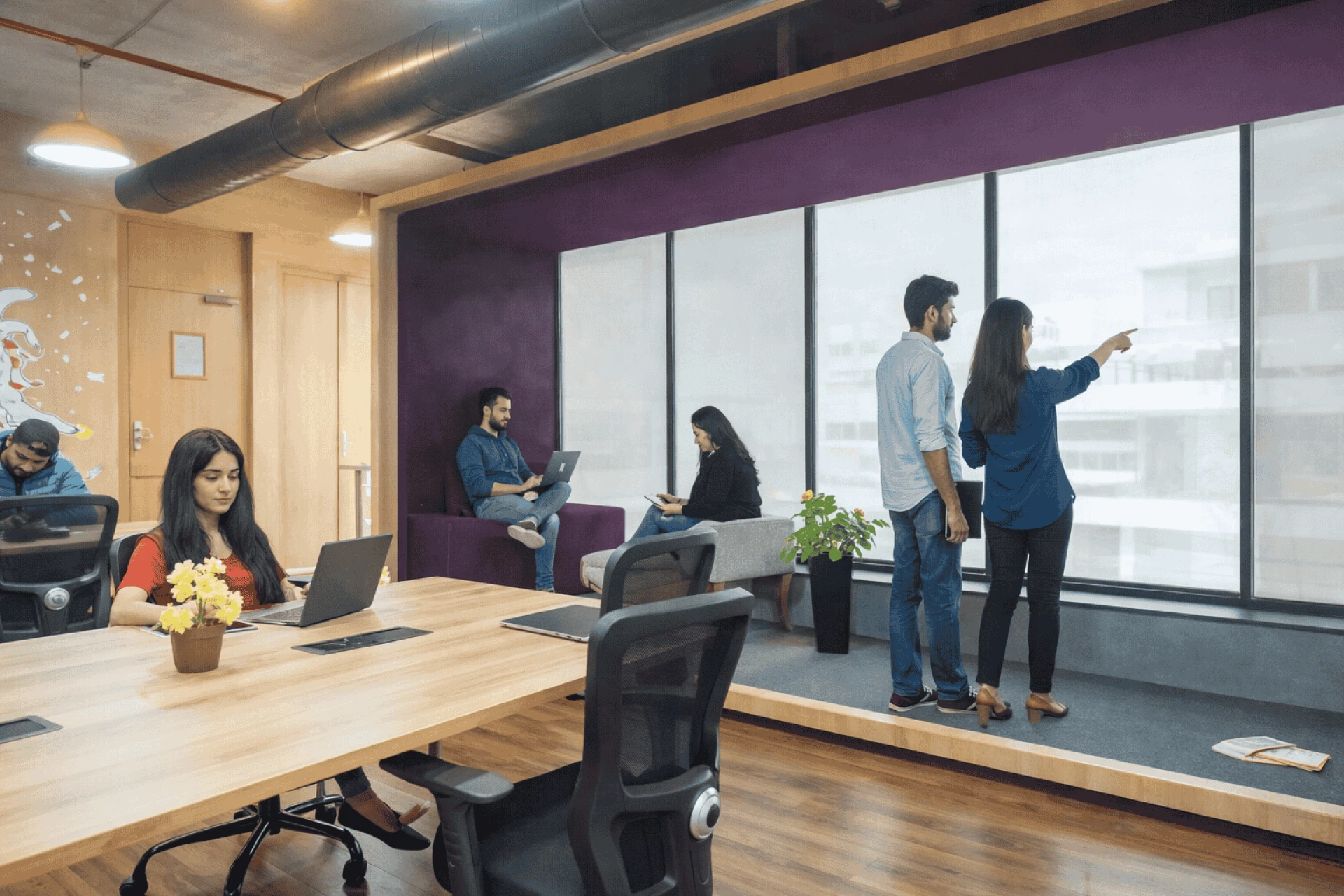
Many coworking spaces now have dedicated desk zones with fixed seating. Members know exactly where they will sit each day. They can leave their monitor, notebook, and personal items at their dedicated desk. The space feels familiar and personal, without cutting them off from the rest of the community.
For professionals who show up regularly, this small sense of ownership changes how they relate to the space. It stops feeling temporary and starts feeling dependable.
The Productivity Power of Having Your Own Desk
Why ownership changes how people work
There is a psychological difference between using a desk for the day and having a place that feels like your own.
When someone has a dedicated desk, decision fatigue drops. There is no daily search for a seat. No uncertainty about lighting, noise levels, or proximity to teammates. The brain can move straight into work mode.
This is especially important for roles that require deep concentration. Developers, designers, consultants, analysts, and writers often need uninterrupted stretches of focus. A predictable workstation helps protect that mental rhythm.
What workplace research actually tells us
Research from the Leesman Index helps explain this shift.
Leesman data shows that employees working in assigned private or shared enclosed offices often report some of the highest overall workplace experience scores. These environments tend to support better concentration and personalisation compared to many unassigned seating setups. Importantly, Leesman also notes that results vary by design, not by seating policy alone.
This nuance matters.
It is not simply about assigning seats. It is about designing coworking spaces where dedicated desks are supported by good acoustics, thoughtful layout, and access to shared amenities.
How professionals apply this in their daily work life
In real terms, professionals using a dedicated desk often report smoother workdays.
They set up ergonomic seating once instead of doing it every day. They manage cables, screens, and tools efficiently. This helps them follow daily routines that support steady and reliable work.
Over time, this stability makes a real difference. There are fewer interruptions. Time is managed better. It becomes easier to separate focused work from meetings and collaboration.
Why Growing Teams Are Choosing Dedicated Desks
Scaling without long-term commitments
Startups and small teams live in a constant state of change. Headcount shifts. Projects evolve. Revenue fluctuates.
Traditional offices lock teams into long leases and fixed layouts. Hot desks feel too loose for teams that need structure. The dedicated desk offers a practical alternative.
Teams can reserve a cluster of desks. Sit together. Build a daily rhythm. At the same time, they avoid long-term liabilities.
This flexibility makes coworking spaces particularly attractive for early-stage and growth-stage companies.
Cost clarity and operational simplicity
Dedicated desk rentals simplify budgeting.
Teams know exactly what they are paying each month. Utilities, maintenance, internet, security, and support are handled. There are no surprise overheads.
This reduces daily distractions. Founders and managers can spend more time focusing on the business instead of managing office details.
How teams actually use dedicated desk setups
In practice, many teams combine dedicated desks with shared meeting rooms and flexible collaboration areas.
Daily work happens at assigned desks. Quick discussions happen nearby. Formal meetings move into bookable rooms when needed.
This layered approach allows teams to operate efficiently without overpaying for space they do not use every day.
Community Without Noise or Chaos
Rethinking what community really means
Community has always been a big part of coworking spaces. But being around people all the time does not always lead to real connection.
Professionals today prefer interaction that feels natural. Easy conversations. Relationships that grow slowly over time. Not forced networking or constant interruptions during work.
Dedicated desk environments help create this balance. When people sit at the same place each day, they start recognising familiar faces. They sit near the same neighbours. Trust builds quietly, and collaboration happens when it feels right, not because it is expected.
How dedicated desks improve shared environments
When seating is predictable, shared spaces function better.
There is less territorial behaviour. Fewer conflicts over space. Clearer expectations about noise and movement.
This creates calmer, more respectful environments. The workspace feels professional, not chaotic.
What members gain from this balance
Members benefit from both focus and access.
They can work deeply at their dedicated desk and step into shared zones when collaboration or connection is needed. The environment adapts to the workday rather than forcing a single mode of working.
Dedicated Desks as a 2026 Workplace Standard
Hybrid work is shaping space design permanently
Hybrid work is not going away. Organisations are still refining how often teams come together, but few expect a full return to five days in traditional offices.
This has major implications for coworking spaces.
Spaces need to work for different patterns at once. Some people come in every day, some a few days a week, and others stay long term. Dedicated desk models help manage this by giving people a stable place to work while still keeping the system flexible.
What market trends signal about the future
Market forecasts consistently point to strong growth in the coworking and flexible office sector.
Recent research suggests the global market is expected to grow at a low to mid-teens compound annual rate over the next decade, with some reports estimating around 15% CAGR into the early 2030s.
This growth is not driven by hot desks alone. It reflects a more mature demand for structured flexibility, where dedicated desks play a central role.
How enterprises are influencing coworking formats
Research from JLL shows that many large corporates are adjusting their use of flexible offices. Instead of relying heavily on hot desking, they are increasing the share of enclosed and dedicated team areas to improve privacy, control, and performance in hybrid models.
This enterprise influence is reshaping coworking design standards across markets.
What This Means for Professionals Choosing Workspaces Today
Choosing a workspace is no longer just about location or price.
It is about how well the space supports the way you actually work.
Professionals are increasingly looking for environments that offer consistency without rigidity. Community without distraction. Flexibility without instability.
The dedicated desk delivers on all three.
Practical Takeaways to Consider
- Choose coworking spaces that offer dedicated desks if you work from the space regularly
- Look for layouts that balance personal work zones with shared collaboration areas
- Evaluate whether your current setup supports focus as much as flexibility
- For growing teams, dedicated desk rentals reduce risk while supporting routine
- Prioritise environments that evolve with your working style rather than forcing you to adapt
The Future of Coworking Is Intentional
Coworking began as a response to rigid offices and long leases.
Today, it is evolving again.
As work becomes more hybrid, more focused, and more outcome-driven, professionals need spaces that support depth as much as openness. The rise of the dedicated desk reflects that shift.
It is not about taking flexibility away. It is about adding structure where it matters.
As we move toward 2026, the most effective coworking spaces will not be the loudest or the most crowded. They will be the ones designed with intention, where people can show up, settle in, and do their best work.
The real question is no longer where you work.
It is whether your workspace truly works for you.



























Sign in to leave a comment.