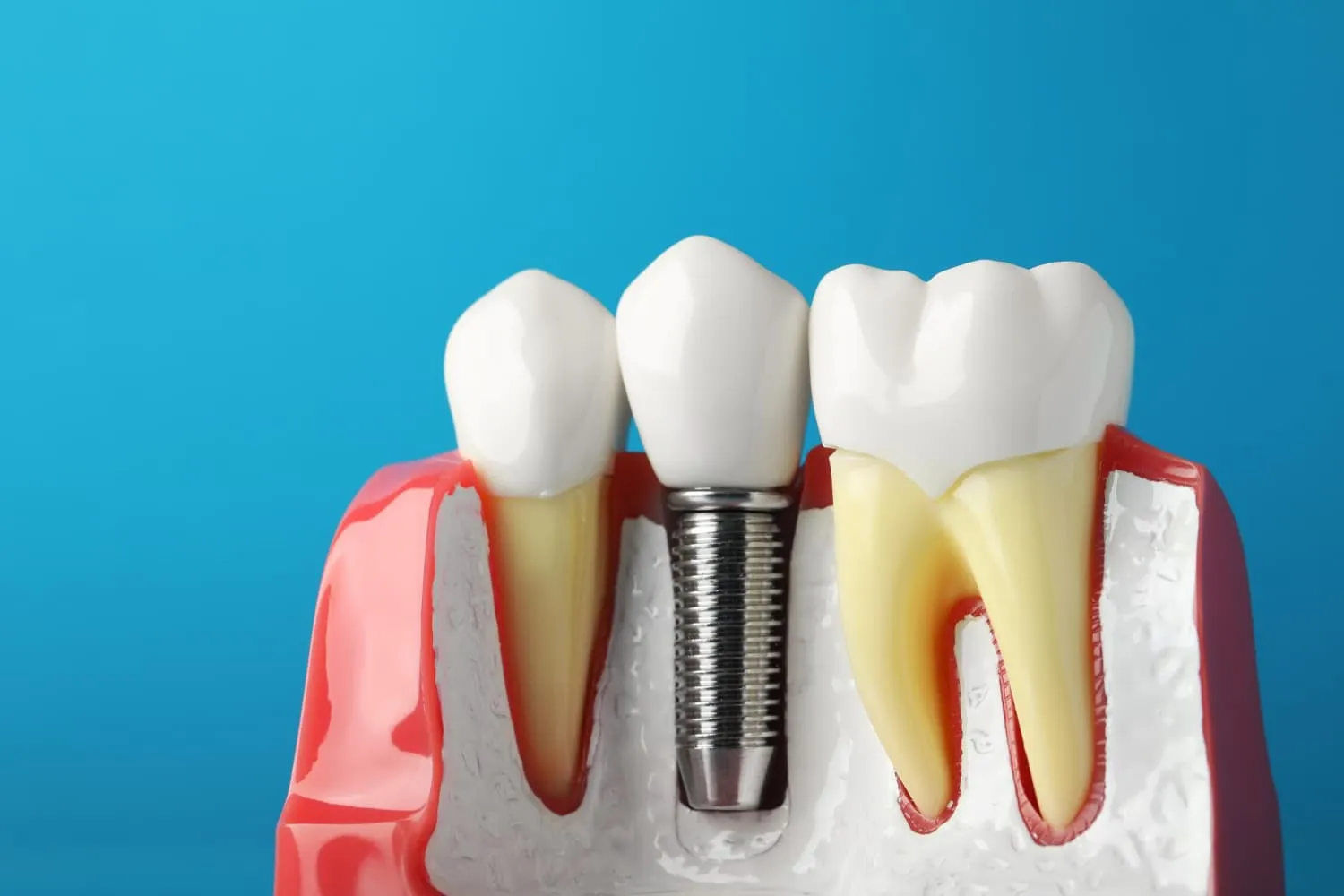

Missing teeth can affect several aspects of everyday life, from chewing and speaking to smiling comfortably in social situations. Tooth loss can also influence the way neighbouring teeth function and may gradually affect the supporting jawbone. Dental implants offer a long term tooth replacement option for suitable patients by providing a stable foundation for a replacement tooth or teeth. Careful assessment is essential before treatment because factors such as gum health, bone availability, existing dental conditions and individual expectations can influence whether implant treatment is appropriate.
What Are Dental Implants?
A dental implant is a small fixture placed within the jawbone to support a replacement tooth. Once healing and integration with the surrounding bone have taken place, the implant can support a crown, bridge or another suitable restoration. The visible restoration is designed to replace the missing tooth and restore useful function. Unlike removable dentures, an implant supported restoration is anchored within the mouth. However, implant treatment is not suitable for everyone, so professional assessment is required before a treatment plan can be recommended.
Why Tooth Replacement Matters
A missing tooth can leave a gap that affects more than appearance. Depending on its position, tooth loss may make chewing certain foods less comfortable or alter the way the surrounding teeth meet. Some neighbouring teeth may also gradually move into the space. Replacing the missing tooth can help restore the continuity of the dental arch and support everyday function. The most appropriate replacement depends on individual circumstances. Dental implants are one option that can be considered when the supporting structures and overall oral health are suitable.
Restoring Everyday Dental Function
Teeth work together during biting and chewing, so losing one or more teeth can change how the mouth functions. Patients may compensate by chewing more heavily on the opposite side or avoiding particular foods. An implant supported restoration can recreate a stable biting surface and allow the replacement tooth to participate in normal chewing. Treatment planning considers the position of the missing tooth, the surrounding teeth and the patient's bite. A carefully designed restoration can therefore support comfortable function while fitting naturally within the existing dental arrangement.
Supporting Comfortable Chewing
Chewing requires teeth to work together in a coordinated manner. When a tooth is missing, the remaining teeth may take on additional responsibility during eating. Replacing the missing tooth can help distribute biting forces more effectively. An implant supported crown is designed to provide a stable surface that can contribute to normal chewing. Patients may need a period of adjustment after receiving the final restoration. Any persistent discomfort, unusual pressure or difficulty biting should be discussed with a dental professional so that the restoration can be assessed.
Supporting Speech
Teeth and surrounding oral structures contribute to clear speech. A missing tooth can sometimes affect the way certain sounds are produced, particularly when the gap is located towards the front of the mouth. Replacing the missing tooth may help restore the physical structure involved in speech. However, adaptation varies between individuals, and speech changes are not guaranteed with every case. A carefully designed restoration should fit comfortably within the mouth and support normal oral movements. Professional planning considers both function and appearance when replacing visible missing teeth.
Improving Smile Appearance
Tooth loss can noticeably change the appearance of a smile, especially when a missing tooth is positioned towards the front. An implant supported restoration can be designed to resemble the shape, size and colour of neighbouring teeth. The aim is to create a replacement that blends naturally with the existing smile. Aesthetic planning considers the tooth position, gum contours and surrounding dental structures. Patients should understand that the final appearance depends on individual anatomy, healing and restoration design. Professional assessment helps establish realistic expectations before treatment begins.
Creating a Natural Looking Restoration
A natural looking replacement tooth should complement the surrounding teeth rather than appear isolated from them. The restoration can be carefully designed according to the patient's existing tooth colour, proportions and smile characteristics. The shape of the gumline can also influence the final appearance. Detailed planning is particularly important when an implant replaces a visible front tooth. While modern materials can provide highly aesthetic results, individual healing and anatomy can affect the outcome. A personalised approach allows the restoration to be planned around the patient's specific circumstances.
Restoring Facial Balance
Significant tooth loss can sometimes affect the appearance of the lower face, particularly when several teeth are missing. Teeth provide support for the lips and surrounding facial structures, so replacing missing teeth can help restore some of the lost dental support. The extent of any visible change varies considerably between individuals. Implant supported restorations can contribute to restoring the dental structure while also improving smile appearance. However, treatment should focus primarily on oral health and function rather than promising specific changes to overall facial appearance.
Supporting Confidence After Tooth Loss
Tooth loss can affect how comfortable a person feels when smiling, speaking or eating around other people. Some individuals may avoid photographs or cover their mouth when laughing because they feel self conscious about a gap. Restoring a missing tooth can provide a renewed sense of comfort in everyday situations. Confidence develops differently for every patient, so aesthetic improvements should be considered alongside functional benefits. A stable, natural looking restoration can help individuals feel more comfortable using their smile and returning to activities they may previously have avoided.
Eating With Greater Confidence
People with missing teeth may become cautious when eating certain foods, particularly those that require stronger biting or chewing. An implant supported restoration can provide a stable replacement surface that may make everyday eating more comfortable. Patients still need to follow professional advice and maintain good oral hygiene around the restoration. The ability to eat comfortably can contribute to a greater sense of normality after tooth loss. Treatment goals should therefore consider practical function as well as appearance when determining the most suitable approach.
Smiling More Comfortably
A visible gap can sometimes make people reluctant to smile naturally. A carefully designed implant restoration can fill the space and create a more complete appearance. This may help individuals feel more comfortable during conversations, photographs and social occasions. Confidence should not be viewed as a guaranteed outcome, because personal experiences differ. However, restoring a missing tooth can provide both functional and aesthetic improvements that support a more positive relationship with the smile. Patients can discuss their expectations openly during treatment planning to ensure that proposed results remain realistic.
Assessing Suitability for Implant Treatment
Not every patient is automatically suitable for dental implants. The condition of the gums, amount of available bone, general dental health and ability to maintain good oral hygiene can all influence treatment planning. A detailed assessment may include clinical examinations and appropriate imaging to evaluate the proposed implant site. Existing dental problems may need treatment before implant placement. The assessment is an important stage because it helps identify potential risks and determine whether an implant can provide a predictable solution. Alternative treatments may also be discussed where appropriate.
Evaluating Gum Health
Healthy gums are important because the tissues surrounding an implant need to remain free from persistent inflammation. Existing gum disease may need to be managed before implant treatment is considered. A dental professional can assess the gums and identify areas requiring additional care. Patients may also receive personalised hygiene advice to improve plaque control. Maintaining healthy gums after treatment remains essential because inflammation around an implant can affect the surrounding tissues. Regular professional monitoring can therefore play an important role in protecting both the implant and the natural teeth.
Checking Bone Availability
Dental implants require sufficient bone to provide appropriate support. Following tooth loss, the jawbone in the affected area can gradually change in volume. The amount of remaining bone can therefore influence the position and feasibility of implant placement. Dental imaging can provide useful information about bone height, width and surrounding structures. In some circumstances, additional procedures may be considered to improve the available foundation. These options are not necessary for everyone. The dental professional can explain the findings and discuss whether implant placement is suitable based on the individual situation.
Understanding the Implant Treatment Process
Dental implant treatment generally involves several stages. Planning begins with a detailed assessment, followed by preparation of the treatment site and implant placement where appropriate. A healing period is then required while the implant integrates with the surrounding bone. Once sufficient healing has occurred, the final restoration can be created and attached. The overall timeframe varies depending on the number of implants, bone condition and whether additional procedures are required. Understanding the stages beforehand can help patients prepare for the treatment process and set realistic expectations.
Implant Placement and Healing
The implant is positioned within the jawbone using a carefully planned surgical procedure. Appropriate anaesthetic is used to maintain comfort during placement. Following treatment, some temporary swelling, tenderness or sensitivity may occur as the tissues heal. The implant then requires time to integrate with the bone before it can normally support the final restoration. Patients receive specific aftercare instructions and should follow them carefully. Any unexpected symptoms or concerns should be reported promptly so that healing can be assessed by the dental professional.
Attaching the Final Restoration
After the healing stage, the final restoration can be designed and fitted. The restoration may be an individual crown or another implant supported solution depending on the number and position of missing teeth. Its shape and appearance are planned to work with the surrounding teeth and existing bite. Before final placement, the fit and function are checked carefully. Adjustments can be made where necessary to improve comfort and ensure appropriate contact with neighbouring teeth. Once fitted, the restoration becomes part of the patient's everyday dental function.
Maintaining Dental Implants
Dental implants can provide long term tooth replacement, but they still require consistent care. Although an implant cannot develop decay in the same way as a natural tooth, the gum and bone surrounding it remain vulnerable to plaque and inflammation. Regular brushing, interdental cleaning and professional examinations are therefore important. Patients should follow personalised cleaning instructions based on the design of their restoration. Maintaining healthy surrounding tissues can help protect the implant over time. Good oral hygiene also benefits the natural teeth, which remain an important part of the overall dental environment.
Cleaning Around the Implant
Plaque can collect around the gumline and underneath certain areas of an implant supported restoration. Specialised interdental brushes or other cleaning aids may be recommended to access these spaces effectively. Patients should receive demonstrations where necessary to ensure that their cleaning technique is appropriate. Regular professional hygiene appointments can provide additional support. Individuals should also monitor the area for bleeding, swelling, tenderness or other changes. Early assessment of unusual symptoms can help identify potential problems before they become more advanced.
Protecting the Restoration
Implant supported restorations are designed for normal function but can still be affected by excessive forces. Patients who regularly clench or grind their teeth may place additional stress on the restoration and surrounding structures. A dental professional can discuss suitable protective measures where necessary. Habits such as biting hard objects or using the teeth as tools should also be avoided. Regular reviews can help identify wear, loosening or other changes. Taking sensible precautions can support the longevity of the restoration and protect the investment made in tooth replacement.
Considering Long Term Benefits
Dental implants can provide a stable solution for missing teeth when treatment is appropriate. Their integration with the jawbone allows the restoration to function without relying entirely on neighbouring teeth for support. This can make them particularly useful for individuals seeking a fixed replacement. However, long term success depends on several factors, including oral hygiene, gum health, bone condition, bite forces and regular professional care. Patients should understand that implants require ongoing maintenance rather than being a permanent solution that can be completely ignored after treatment.
Supporting Natural Teeth
Replacing a missing tooth does not remove the need to care for the remaining natural teeth. These teeth continue to contribute to chewing and provide support for the overall dental arrangement. Regular brushing, interdental cleaning and dental examinations remain essential. Maintaining healthy neighbouring teeth can also support the appearance and function of the implant restoration. A comprehensive approach to oral health therefore considers the whole mouth rather than focusing only on the replacement tooth. This can help preserve the overall balance and function of the smile.
Protecting the Long Term Result
The long term condition of an implant depends partly on how well the surrounding tissues are maintained. Patients should follow recommended hygiene routines and attend professional reviews at appropriate intervals. Changes such as discomfort, bleeding, movement or damage to the restoration should be reported promptly. Early intervention may help prevent minor concerns from becoming more complicated. Good lifestyle and oral hygiene habits can support the health of both implants and natural teeth. Ongoing professional guidance remains valuable throughout the life of the restoration.
Making an Informed Decision
Choosing dental implants requires careful consideration rather than focusing only on the immediate appearance of the replacement tooth. Patients should understand the treatment stages, healing requirements, potential risks, maintenance needs and available alternatives. A detailed consultation provides an opportunity to discuss expectations and determine whether implants are appropriate. The treatment plan should be based on clinical findings and individual circumstances. Patients can ask questions about every stage before deciding to proceed. Taking time to understand the options can support a more confident and informed decision about replacing missing teeth.
Considering Alternative Options
Implants are one of several ways to replace missing teeth. Depending on the patient's circumstances, conventional bridges or removable dentures may also be suitable. Each option has different benefits, limitations, costs, maintenance requirements and treatment processes. A professional assessment can explain the choices available and identify which options are clinically appropriate. Comparing treatments allows patients to consider their priorities, including appearance, comfort, function and long term maintenance. The most suitable solution is the one that meets the individual's dental needs while fitting realistically within their circumstances.
Final Thoughts
Dental implants can restore important aspects of life after tooth loss by supporting chewing, speech, smile appearance and everyday confidence. Careful assessment is essential to determine whether treatment is suitable, while professional planning can help create a restoration that works comfortably with the surrounding teeth. Long term maintenance, good oral hygiene and regular dental reviews remain important after treatment. For individuals considering tooth replacement, Boston Orthodontics can be considered when exploring professional guidance focused on restoring function, improving appearance and supporting lasting confidence in a healthy smile.



























Sign in to leave a comment.