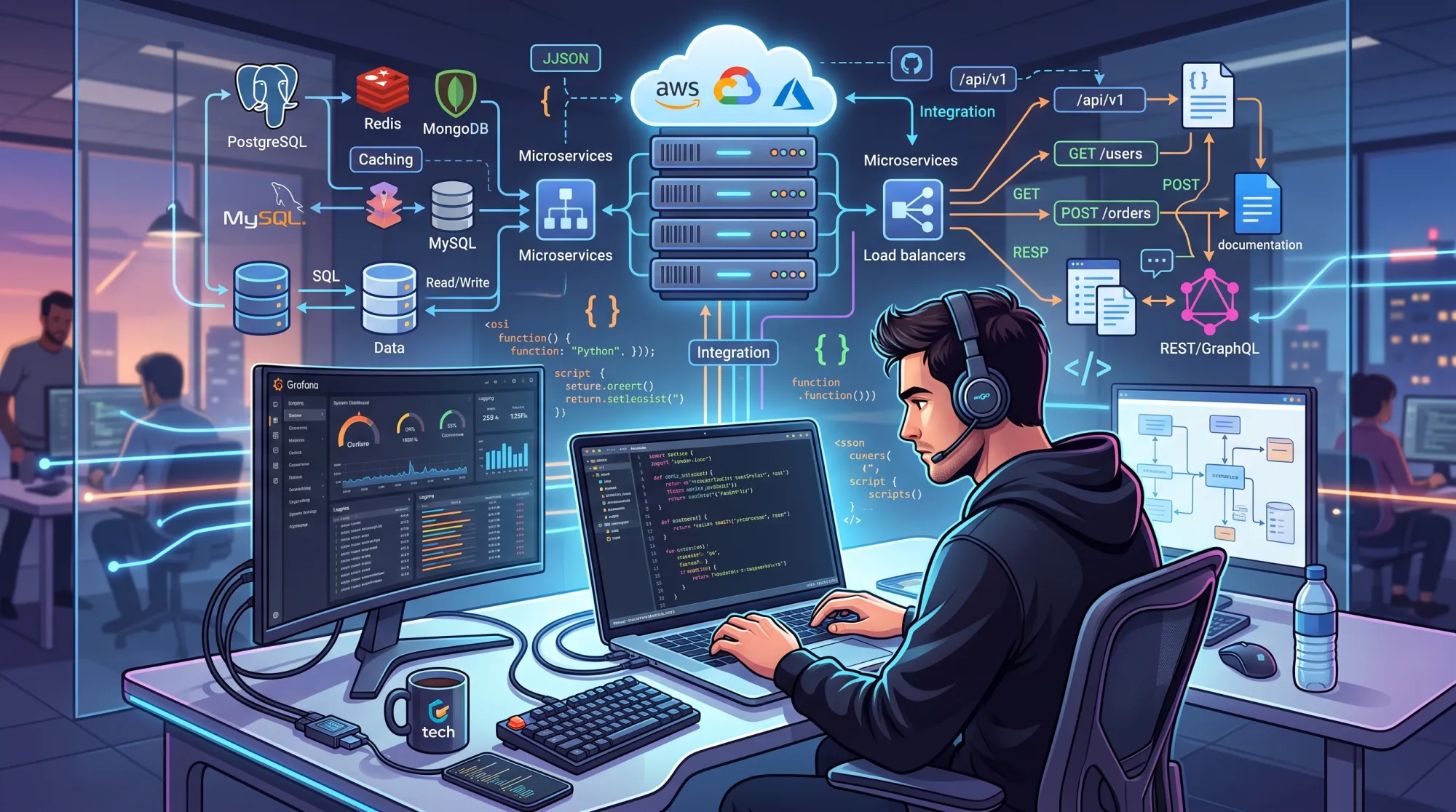

Learning to code has become more accessible than ever before. Thousands of tutorials, documentation websites, videos, and open-source projects are available online. While having unlimited information is beneficial, it also creates a challenge for beginners. Many learners spend more time searching for quality resources than actually practicing programming. Organizing the learning process with reliable developer resources can make a significant difference in building practical coding skills.
Programming is a skill that improves through consistent practice. Reading tutorials alone is not enough to become a confident developer. Writing code, solving problems, debugging applications, and building projects help transform theoretical knowledge into practical experience. Developers who practice regularly often gain a better understanding of programming concepts than those who rely only on passive learning.
Another important factor is learning in the correct order. Many beginners attempt advanced frameworks before understanding the basics of HTML, CSS, JavaScript, or programming fundamentals. A structured learning path allows developers to build strong foundations before moving on to more complex topics such as APIs, databases, authentication, and application architecture.
Hands-on projects are one of the most effective ways to strengthen coding skills. Creating personal websites, dashboards, portfolios, task managers, or simple business applications allows learners to apply their knowledge in realistic situations. Every completed project introduces new challenges that improve logical thinking, debugging abilities, and confidence.
Documentation also plays an important role in software development. Professional developers regularly read official documentation to understand frameworks, libraries, and programming languages. Learning how to navigate documentation saves time and helps developers solve problems more efficiently than relying entirely on video tutorials.
Version control is another essential skill. Tools like Git allow developers to track code changes, collaborate with teammates, and safely experiment with new features. Understanding version control prepares learners for professional software development environments where teamwork and organized workflows are standard practices.
Code quality should not be overlooked. Writing clean, readable, and well-organized code makes applications easier to maintain and update. Meaningful variable names, proper formatting, and modular design improve collaboration because other developers can understand the project more easily.
Problem-solving remains one of the most valuable abilities for any programmer. Every software project contains bugs, unexpected behavior, and technical challenges. Developers who practice debugging and analytical thinking become more effective at identifying root causes instead of simply applying temporary fixes.
Modern development also benefits from reusable resources. Component libraries, templates, documentation, and learning platforms help reduce repetitive work while allowing developers to focus on solving real business problems. Instead of rebuilding common interface elements, developers can use standardized resources to improve productivity and maintain consistency.
Many developers choose organized platforms that combine educational content with practical development resources. For example, TheZift provides reusable UI components, learning materials, and developer-focused resources that support efficient software development without replacing the importance of hands-on practice.
Continuous learning is another characteristic of successful developers. Programming languages, frameworks, and development tools continue to evolve every year. Developers who stay curious and regularly update their skills are better prepared to adapt to industry changes and new technologies.
Community participation also contributes to learning. Reading technical blogs, contributing to open-source projects, joining developer discussions, and sharing knowledge with others expose programmers to different approaches and best practices. Learning from experienced developers often provides valuable insights that cannot always be found in tutorials alone.
Ultimately, coding is not about memorizing syntax. It is about understanding how to solve problems efficiently and build reliable software. Quality developer resources, practical projects, continuous learning, and consistent practice work together to create strong programming skills. Whether someone is just beginning or already working as a professional developer, investing time in structured learning and practical experience is one of the best ways to grow as a software developer.




























Sign in to leave a comment.