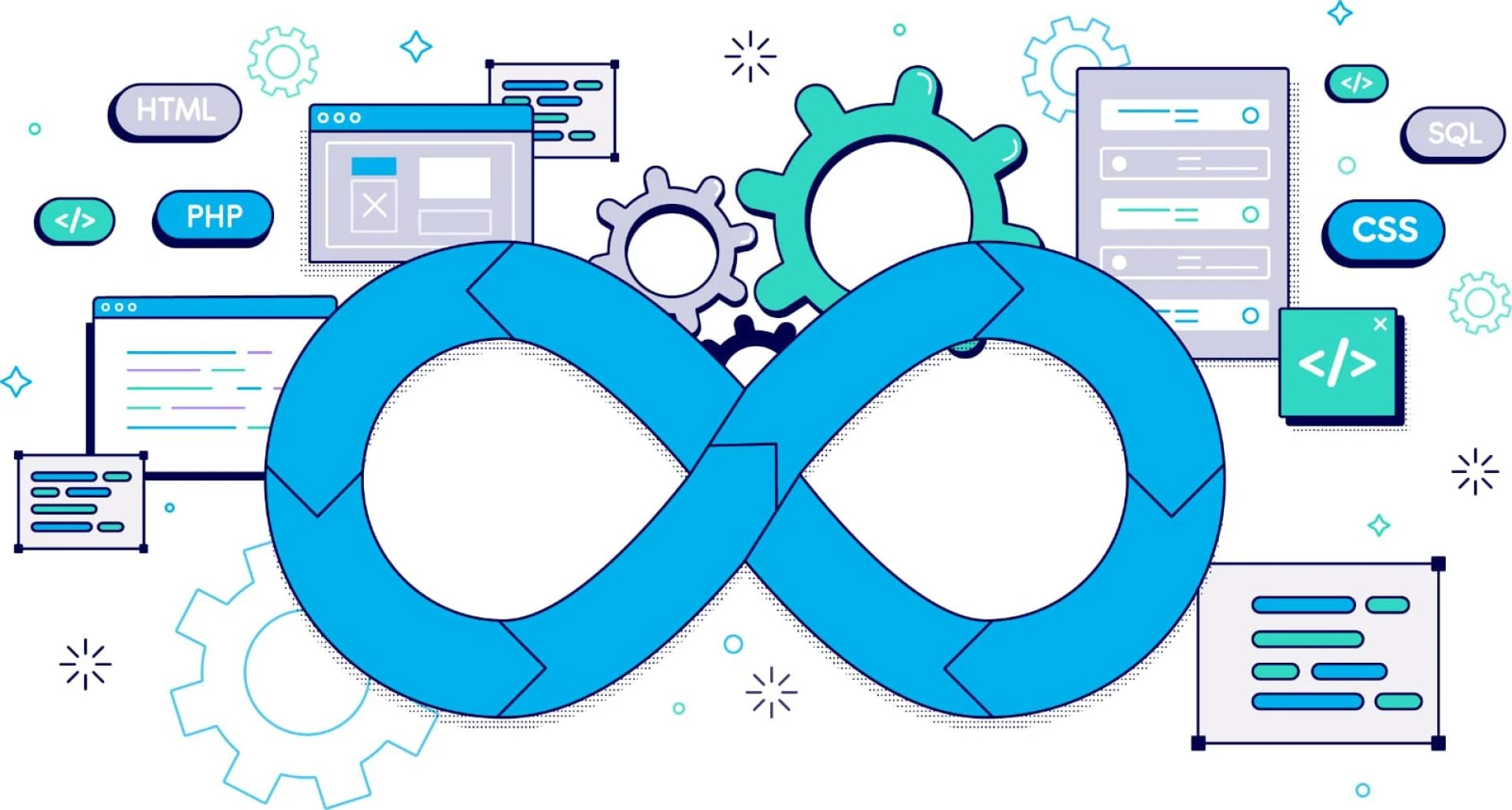

In the rapidly evolving landscape of data engineering, DevOps has emerged as a transformative force, revolutionizing traditional processes and methodologies. By integrating development, operations, and quality assurance practices, DevOps enables data engineering teams to streamline workflows, accelerate delivery cycles, and ensure the reliability and scalability of data-driven applications. In this comprehensive guide, we\'ll explore how DevOps revolutionizes data engineering processes, driving innovation and efficiency in the era of big data and analytics.
Understanding DevOps in Data Engineering:
DevOps in data engineering encompasses a set of principles, practices, and tools aimed at automating and optimizing the end-to-end process of data pipeline development, deployment, and maintenance. It emphasizes collaboration, communication, and continuous improvement to meet the growing demands for data-driven insights and applications.
Benefits of DevOps in Data Engineering:
DevOps offers several benefits to data engineering processes:
Streamlined Workflows: By breaking down silos between development, operations, and quality assurance teams, DevOps streamlines workflows, reduces handoffs, and accelerates the delivery of data solutions.
Improved Collaboration: DevOps fosters collaboration and cross-functional teamwork, enabling data engineers, data scientists, and operations professionals to work together seamlessly towards common goals.
Increased Efficiency: Automation is a key tenet of DevOps, enabling data engineering teams to automate repetitive tasks, such as code deployment, testing, and infrastructure provisioning, freeing up time for innovation and value-added activities.
Enhanced Quality and Reliability: Through continuous integration, testing, and deployment, DevOps ensures the quality and reliability of data pipelines and analytics applications, minimizing errors and reducing downtime.
Scalability and Flexibility: DevOps practices enable data engineering processes to scale efficiently and adapt to changing requirements and workloads, ensuring the scalability and flexibility of data solutions.
Key Components of DevOps in Data Engineering:
DevOps in data engineering encompasses several key components:
Continuous Integration (CI): CI involves integrating code changes into a shared repository frequently, followed by automated testing to detect and address integration issues early in the development process.
Continuous Deployment (CD): CD automates the deployment of code changes to production environments after passing automated tests, enabling rapid and reliable delivery of data solutions.
Infrastructure as Code (IaC): IaC involves managing and provisioning infrastructure using code and automation tools, ensuring consistency, repeatability, and scalability in data engineering environments.
Monitoring and Observability: Monitoring and observability tools provide real-time insights into the performance and health of data pipelines and analytics applications, enabling proactive detection and resolution of issues.
Collaboration and Communication: Effective collaboration and communication tools and practices facilitate cross-functional teamwork and knowledge sharing among data engineering teams, fostering a culture of collaboration and continuous improvement.
DevOps Best Practices in Data Engineering:
To harness the full potential of DevOps in data engineering, organizations should follow these best practices:
Automate Everything: Automate repetitive tasks, including code deployment, testing, monitoring, and infrastructure provisioning, to improve efficiency and consistency in data engineering processes.
Implement Continuous Integration and Deployment: Adopt CI/CD practices to automate the integration, testing, and deployment of code changes, enabling rapid and reliable delivery of data solutions.
Leverage Infrastructure as Code (IaC): Use IaC principles and tools to manage and provision infrastructure programmatically, ensuring consistency, repeatability, and scalability in data engineering environments.
Embrace Agile and Iterative Development: Embrace agile methodologies and iterative development practices to deliver value incrementally, gather feedback, and adapt to changing requirements and priorities.
Prioritize Security and Compliance: Integrate security and compliance considerations into DevOps processes and practices, implementing security best practices and automating compliance checks to ensure the security and integrity of data solutions.
Case Studies:
Netflix: Netflix leverages DevOps practices to deliver personalized recommendations and insights to millions of users worldwide. By adopting CI/CD pipelines, automated testing, and infrastructure as code, Netflix ensures the reliability, scalability, and availability of its data-driven applications.
Airbnb: Airbnb relies on DevOps to analyze vast amounts of data and provide personalized experiences to its users. By implementing monitoring and observability tools, Airbnb gains real-time insights into data pipelines and applications, enabling proactive detection and resolution of issues.
Conclusion:
DevOps revolutionizes data engineering processes by streamlining workflows, fostering collaboration, and ensuring the reliability and scalability of data-driven applications. By embracing DevOps principles, practices, and tools, organizations can accelerate the delivery of data solutions, improve efficiency and quality, and unlock new insights and opportunities in the era of big data and analytics. As data continues to play a central role in driving innovation and business success, DevOps will remain a critical enabler of agility, efficiency, and competitiveness in the rapidly evolving landscape of data engineering.
At Bluetris Technologies, DevOps is a driving force behind our data engineering processes, enabling us to deliver agile, reliable, and innovative solutions to our clients. By embracing DevOps Automation, principles, practices, and tools, we streamline workflows, foster collaboration, and ensure the scalability and reliability of our data-driven applications. As data continues to play a pivotal role in driving business success, DevOps will remain a cornerstone of our approach to data engineering, empowering us to deliver value and exceed client expectations in the fast-paced world of data analytics and insights.










Sign in to leave a comment.