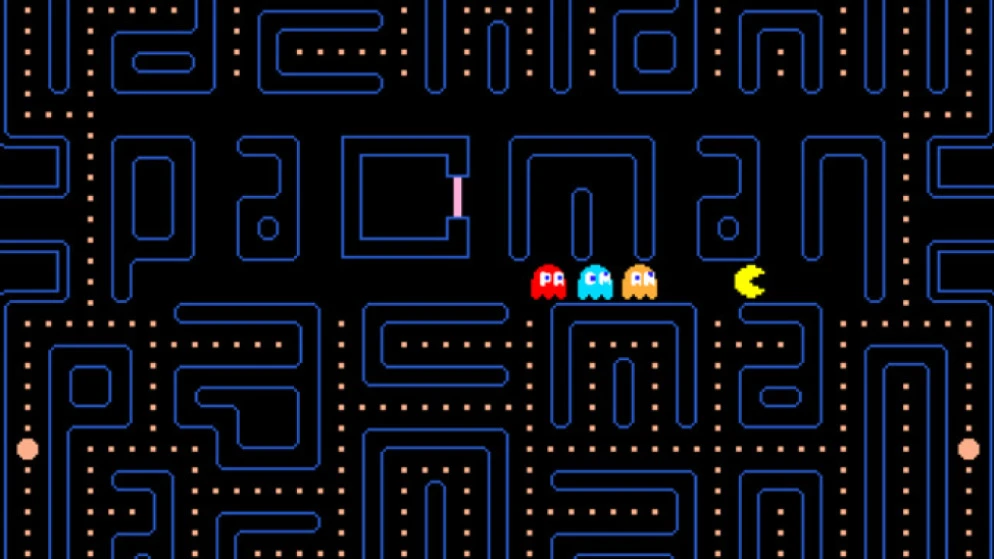

In May 2010, Google unveiled a surprise for its users – a playable version of the iconic Pac-Man game integrated directly into its homepage. What followed was nothing short of a digital frenzy, as millions of users worldwide found themselves captivated by the classic arcade game, spending countless hours maneuvering through the maze-like layout. This article delves into the factors that contributed to the meteoric rise of Google\'s Pac-Man game, exploring the cultural, technological, and psychological elements that transformed it into an overnight internet craze.
I. The Backstory of Pac-Man:
To understand the phenomenon surrounding Google\'s Pac-Man game, it\'s essential to revisit the origins of Pac-Man itself. Developed by Namco and released in 1980, Pac-Man quickly became a cultural icon, spawning merchandise, a cartoon series, and even a hit song. Its simple yet addictive gameplay resonated with audiences worldwide, laying the foundation for its enduring legacy in the world of gaming.
II. Google\'s Innovations:
Google\'s decision to integrate Pacman anniversary into its homepage was not merely a nostalgic gesture but a strategic move that showcased the company\'s innovative approach to user engagement. By leveraging HTML5 technology, Google made the game accessible directly from its search page, eliminating the need for additional software or downloads. This seamless integration marked a significant departure from traditional gaming platforms and contributed to the game\'s widespread appeal.
III. The Element of Surprise:
One of the key factors that propelled Google\'s Pac-Man game to viral status was the element of surprise. Unlike conventional marketing campaigns or product launches, Google\'s decision to feature Pac-Man on its homepage was unexpected and unannounced. This element of surprise generated immediate buzz and curiosity among users, prompting them to explore the game and share their experiences with others.
IV. Nostalgia and Sentimentality:
For many users, Google\'s Pac-Man game triggered feelings of nostalgia and sentimentality, evoking memories of childhood spent in arcades or playing video games with friends. By tapping into this emotional resonance, Google was able to forge a deep connection with its audience, fostering a sense of camaraderie and community among players.
V. Social Sharing and Virality:
The rise of social media platforms played a crucial role in amplifying the reach and impact of Google\'s Pac-Man game. As users discovered and enjoyed the game, they shared their experiences with friends and followers on platforms like Facebook, Twitter, and Reddit. This organic sharing not only contributed to the game\'s virality but also served as free advertising for Google, further fueling its popularity.
VI. The Power of Accessibility:
Google\'s decision to make Pac-Man accessible directly from its homepage removed barriers to entry and democratized the gaming experience. Users of all ages and backgrounds could easily access the game with a single click, eliminating the need for specialized equipment or technical know-how. This accessibility played a significant role in broadening the game\'s appeal and attracting a diverse audience.
VII. Psychological Hooks and Behavioral Triggers:
The addictive nature of Pac-Man, characterized by its simple yet challenging gameplay loop, tapped into psychological hooks and behavioral triggers that kept players coming back for more. The game\'s escalating difficulty curve, coupled with the thrill of chasing high scores, created a sense of urgency and excitement that compelled players to continue playing.
VIII. Cultural Impact and Legacy:
Beyond its immediate popularity, Google\'s Pac-Man game left a lasting impact on internet culture and the gaming industry as a whole. It served as a reminder of the enduring appeal of classic games and the potential for innovation in digital experiences. Furthermore, it inspired other companies to explore creative ways of engaging with their audiences and leveraging popular culture to drive user engagement.
IX. Lessons Learned and Future Implications:
The success of Google\'s Pac-Man game offers valuable lessons for marketers, developers, and businesses looking to create memorable and impactful experiences in the digital realm. By prioritizing accessibility, surprise, and emotional resonance, companies can forge deeper connections with their audiences and unlock new opportunities for growth and engagement.
Conclusion:
Google\'s Pac-Man game stands as a testament to the power of innovation, nostalgia, and community in shaping online experiences. What began as a simple homage to a beloved classic quickly evolved into a global phenomenon, captivating millions of users and leaving an indelible mark on internet culture. As we reflect on the legacy of Google\'s Pac-Man game, we are reminded of the transformative potential of technology to bring people together, evoke shared memories, and spark joy in unexpected ways.










Sign in to leave a comment.