Most people at an airport are too busy checking flight times or hunting for their Uber to notice the car coming straight at them. This lack of focus is the main reason why the areas outside the terminal are so dangerous for everyone involved.
Plus, as the traffic increases by the day, the shift and reliance on the latest cutting-edge technology also increase with it, especially so in this digital age of automation.
When drivers are scanning the curb for faces instead of looking at the road, a simple painted crosswalk does almost nothing to stop a collision. Relying on a distracted person to stay alert is a mistake too grave, which is why airports are now using smarter tech to handle landside pedestrian safety.
Mitigating The Mishaps: How Do AI & Smart Sensors Help?
Getting Rid Of Downtime With Smart Sensors
One of the big downsides of traditional crosswalks is that nobody ever really remembers to push the button. People usually have their hands full with bags or carts, and so they simply cross the street and hope for the best.
Smart sensors fix this problem by sensing anyone coming to the curb and automatically starting the system.
This gets rid of the downtime and the confusion that comes with the manual switches. By making the lights turn on the moment someone is ready to cross, the system creates a much safer environment, especially when it comes to landside pedestrian safety.
Forcing Drivers To Pay Attention With Active Alerts
Drivers at a terminal are usually overwhelmed by signs and looking for specific passengers, so they often miss a person standing on the curb.
A light that flashes all day eventually just becomes part of the background, prone to being ignored at times. Sensors solve this by only starting the flashing lights when a pedestrian is actually on the road.
This sudden change makes a distracted driver look up and hit the brakes. This approach is a better way to handle traffic because it only stops the traffic flow when there is a real risk to landside pedestrian safety.
Adapting The Timer To The Number Of People
We all walk at different speeds, and this is especially true for families with small children or people carrying heavy bags. A normal timer may switch off the lights while someone is still in the middle of the street, which is a major danger.
That's where the AI sensors come into play, as they can monitor the number of people crossing the street and turn the lights off only when the last person has crossed safely.
It adjusts to the situation on the fly instead of following a rigid clock. This ensures the protection lasts as long as it needs to for landside pedestrian safety.
Helping Drivers See In Unsuitable Conditions
Night shifts and bad weather make it almost impossible for a driver to see a pedestrian in dark clothing. Smart systems use sensors that can pick up heat signatures or movement through thick fog and heavy rain. Once they spot someone, they trigger bright lights that a driver can see even from a distance.
This gives the motorist enough time to slow down before it is too late. These extra seconds to react are the most effective way to manage a busy terminal loop and protect the pedestrians.
Conclusion
The old way of just hoping people pay attention in a busy loading zone does not work anymore. Airports need a system that reacts to the actual mess on the road in real time. By using sensors that spot movement and adjust the timing, terminal managers can stop accidents before they happen.
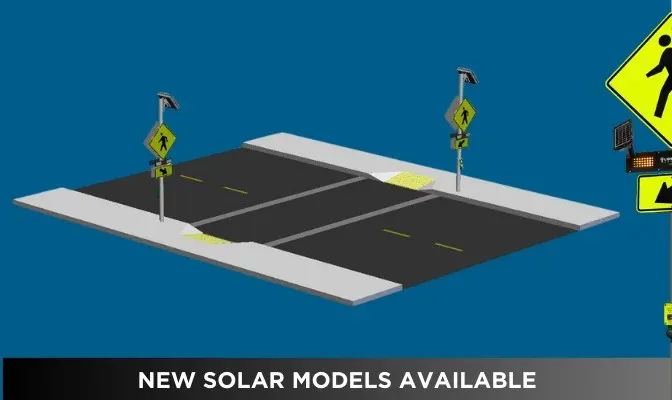
These systems are easy to set up in parking lots and terminal loops without having to tear up the asphalt for new wiring. Plus, using systems such as solar-flashing crosswalk lights is the fastest way to get this technology on the ground and running.























Sign in to leave a comment.