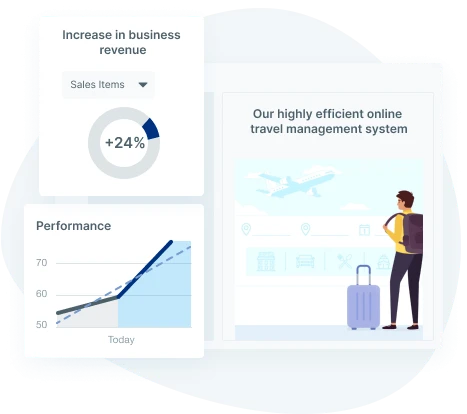

The travel industry is a massive ecosystem involving various types of businesses and consumers, each interacting through different platforms. Whether you're dealing with B2B (business-to-business) travel companies or B2C (business-to-consumer) online travel booking portals, understanding how these systems function can greatly enhance your operational efficiency and customer satisfaction. This blog post will delve into the workings of both B2B and B2C travel booking systems, and explore the impact of B2C Travel Portal Development.
B2B Travel Booking Systems
1. Structure and Functionality: B2B travel booking systems are designed to manage the complex relationships between businesses in the travel industry such as travel agencies, tour operators, corporate travel managers, and accommodation providers. The key features of such systems include bulk booking capabilities, management of multiple bookings, customized pricing agreements, and detailed reporting tools that cater specifically to business needs.
2. How They Operate: B2B travel companies utilize these systems to streamline their operations by providing a centralized platform where travel products can be accessed and managed easily. These platforms enable travel agents and agencies to book flights, hotels, car rentals, and other services on behalf of their clients. They often have access to special rates and packages not available to the general public.
3. Benefits for Businesses: The primary advantage of B2B travel booking is the ability to offer tailored travel solutions that meet the specific needs of business clients. This often includes flexibility in terms of payment, booking conditions, and support services. Additionally, B2B travel platforms can handle the added complexity of corporate travel policies and compliance requirements.
B2C Online Travel Booking Portals
1. How B2C Portals Work: In contrast to B2B systems, B2C online travel booking portals cater directly to the end consumer. These portals are designed to be user-friendly, offering customers the ability to independently search, compare, and book travel services such as flights, hotels, and vacation packages. Examples include giants like Booking.com, Expedia, and Airbnb.
2. Features of B2C Portals: The success of a B2C travel portal lies in its ease of use, the diversity of options it offers, and the competitiveness of its prices. These platforms often incorporate sophisticated algorithms to offer personalized recommendations based on user behavior, preferences, and previous bookings.
3. B2C Travel Portal Development: Developing a B2C travel portal involves creating a scalable and secure platform that can handle a high volume of transactions and data. Key considerations in B2C Travel Portal Development include optimizing the user experience, ensuring high-speed performance, and integrating reliable payment gateways. Additionally, mobile responsiveness and 24/7 customer support are crucial to meeting the expectations of today’s savvy travelers.
The Future of Travel Booking
Both B2B and B2C travel systems are increasingly leveraging technology like AI and machine learning to enhance their functionalities. For B2B systems, this might mean smarter inventory management and automated customer service solutions. For B2C portals, advancements could lead to even more personalized travel suggestions and improved user interfaces.
Conclusion
Whether it’s about enhancing the efficiency of b2b travel booking or offering more engaging experiences through a b2c online travel booking portal, technology continues to drive significant changes in how travel services are marketed and consumed. For companies in the travel sector, staying updated with these developments and adapting to them is crucial for success.
By understanding the distinct features and functions of B2B and B2C systems, stakeholders can better equip themselves to meet the challenges of today’s dynamic travel industry landscape.









Sign in to leave a comment.